
Agric Sector Attracts $167m In Volatile 2025 Investment Cycle
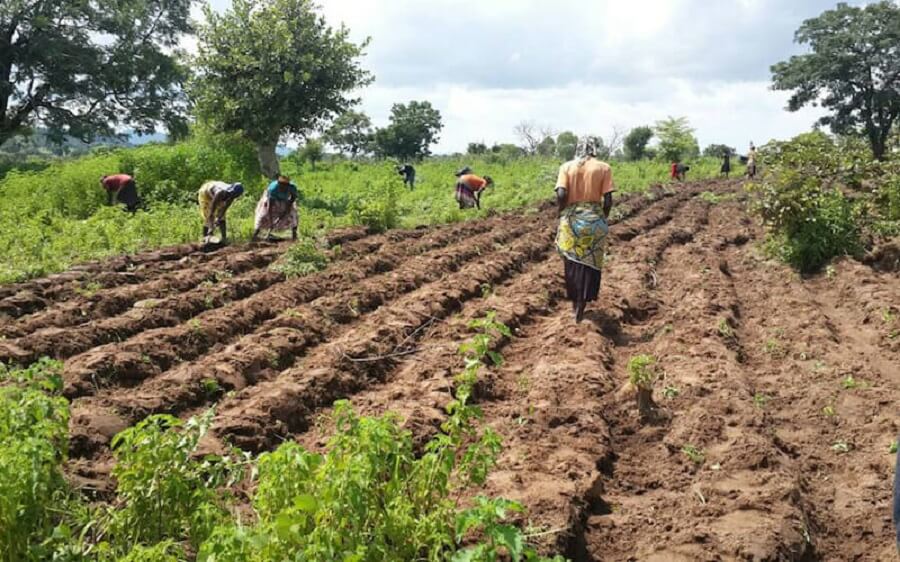
Nigeria’s agricultural sector drew $167.25m in capital inflows in 2025, reflecting cautious but increasing investor interest in the key sector, according to the National Bureau of Statistics (NBS).
Capital inflows into the agricultural sector fluctuated over the year, underscoring both opportunities and structural constraints. The sector attracted $24.15m in Q1, surged to $67.2m in Q2, declined to $24.67m in Q3, and rebounded to $51.19 in Q4, reflecting shifting investor confidence.
The Q4 uptick coincided with a broader surge in Nigeria’s total capital importation, which reached $6.44m , a 26.61 percent increase from $5.09 bn in Q4 2024. Portfolio investment remained the dominant driver, accounting for $5.49bn (85.14 per cent), while Foreign Direct Investment (FDI) contributed only $357.8m (5.55 per cent), and other investments totaled $599.65m (9.31 per cent).
Despite the modest inflows, analysts see agriculture as a sector with long-term potential, especially as Nigeria pushes to diversify away from oil dependency. Structural challenges, including inadequate rural infrastructure, insecurity in farming regions, and foreign exchange volatility, continue to constrain capital entry.
“The spikes in Q2 and Q4 reflect periods when investor confidence improved, likely linked to targeted policies and better financing options,” the NBS report noted.
Experts said that unlocking greater investment will require coordinated strategies addressing production, processing, storage, and logistics, while strengthening value chains and leveraging technology.
Advertisement
While agriculture’s share of total capital importation remains small, the figures underscore its strategic importance. Investors remain watchful of policy stability, foreign exchange conditions, and broader economic reforms, which have been critical in supporting Nigeria’s overall recovery in capital inflows.