
China Thanks ‘Relevant Parties’ As Ships Transit Strait Of Hormuz
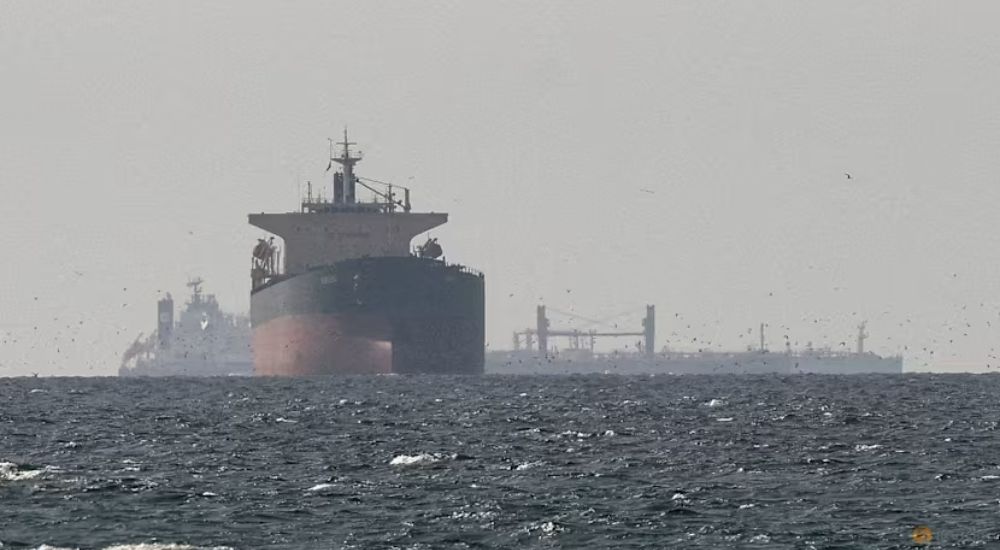
Three Chinese vessels recently transited the Strait of Hormuz after coordinating with relevant parties, the Chinese Foreign Ministry said on Tuesday, underscoring Beijing’s call for peace and stability in the Gulf region.
Foreign Ministry spokesperson Mao Ning described the strait as a “vital corridor for global trade and energy supplies” and reiterated China’s call for an immediate ceasefire and an end to hostilities. “We express our gratitude to the relevant parties for the assistance provided,” she added, without naming them.
Ship-tracking data confirmed that two Chinese container ships operated by shipping giant COSCO successfully exited the Gulf on Monday, completing their second attempt to leave after turning back on Friday. The vessels sailed in close formation and were reported to be moving at elevated speeds toward the Gulf of Oman.
According to Rebecca Gerdes, a data analyst with Kpler, the ships were the first container vessels to leave the Persian Gulf since the start of the conflict, excluding Iranian-flagged vessels.
COSCO had previously announced on March 25 that it resumed bookings for general cargo containers for shipments from Asia to Gulf countries, including the UAE, Saudi Arabia, Bahrain, Qatar, Kuwait, and Iraq.
The Strait of Hormuz, a strategic waterway, has largely been closed since the U.S.-Israeli war with Iran began on February 28, with many energy exports—including Saudi crude oil and Qatari liquefied natural gas—effectively halted. Iran has carried out attacks on Gulf shipping, stranding hundreds of vessels and tens of thousands of seafarers.
Advertisement
Other vessels have cautiously navigated the strait in recent weeks. A Greek-operated tanker carrying Saudi crude to India recently exited the Gulf, while two Indian-flagged liquefied petroleum gas tankers also successfully crossed.
Some operators have taken precautions, including switching off tracking transponders or sailing at night, to reduce visibility amid ongoing threats from Iran, which include floating mines, missiles, and drones.
The passage of the Chinese ships highlights Beijing’s continued push for diplomacy in the region, while ensuring the safe movement of its commercial fleet amid the volatile conflict.