
Dangote Refinery, Oil Gains Shielding Naira From External Shocks — Report
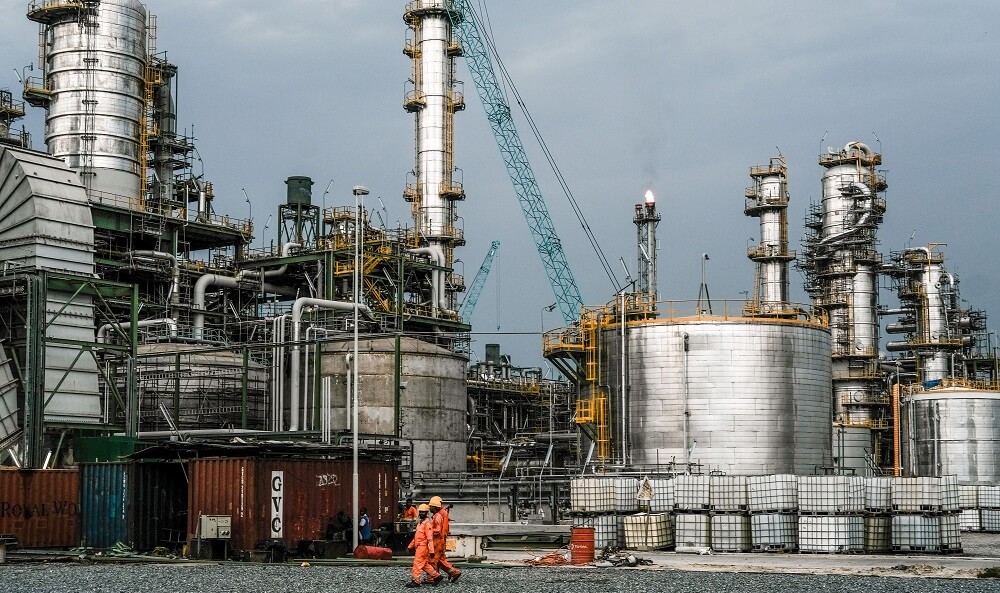
Nigeria’s currency is expected to remain broadly stable despite rising global uncertainty triggered by the Iran conflict, with stronger oil earnings and increased output from the Dangote Refinery providing critical support, according to a new report by Mauritius-based MCB Group.
The report projects that improved foreign exchange inflows, driven by reduced fuel imports and growing exports of refined petroleum products, will help anchor the naira below the N1,350/$ threshold in the near term, even as global currency markets face volatility from geopolitical tensions.
This outlook comes amid heightened pressure on emerging market currencies following the escalation of the Iran war, which has driven up global oil prices and strengthened the US dollar.
Despite these headwinds, Nigeria’s currency has traded within a relatively stable range in recent months, reflecting improved liquidity conditions in the foreign exchange market.
Analysts attribute this resilience largely to structural shifts in Nigeria’s energy sector, particularly the ramp-up in domestic refining capacity.
The Dangote Refinery, which has reached full operational capacity of about 650,000 barrels per day, is now supplying both domestic and regional markets, significantly reducing Nigeria’s reliance on imported fuel and easing demand for foreign exchange.
Advertisement
Recent data indicate that exports of refined petroleum products from Nigeria have surged, as supply disruptions linked to the Middle East crisis limit access to cheaper imports across Africa. This shift has positioned Nigeria as a key supplier in the region while generating additional FX inflows to support external reserves.
MCB noted that, in addition to refinery-driven gains, higher global oil prices triggered by the conflict could further boost Nigeria’s export revenues and fiscal position, making the country one of the few beneficiaries of current global dynamics.
The naira, which recorded an eight percent gain in 2025—its first annual appreciation in over a decade—has continued to benefit from ongoing macroeconomic reforms. These include exchange rate liberalisation, removal of fuel subsidies, and tighter monetary policy, all of which have contributed to improved investor sentiment and stronger external balances.
However, the report cautioned that pressures persist. Nigeria’s external reserves have seen a slight decline amid central bank interventions aimed at stabilising the currency, while inflationary risks remain elevated due to rising fuel prices and global cost pressures linked to the conflict.
The Central Bank of Nigeria is therefore expected to adopt a cautious monetary stance, slowing the pace of interest rate cuts despite earlier expectations of policy easing. Analysts warn that renewed inflationary pressures could limit the scope for aggressive rate reductions in the near term.
Advertisement
Beyond external factors, domestic fiscal constraints also pose risks to sustained stability. Interest payments continue to consume a significant portion of government revenues, underscoring the need for stronger revenue mobilisation and fiscal consolidation.
Nevertheless, MCB’s Macroeconomic Pressure Index suggests that Nigeria’s near-term outlook remains relatively contained, supported by improved savings, stronger FX inflows, and ongoing structural reforms.
Experts say the country’s ability to maintain currency stability over the medium term will depend on sustaining these reforms and effectively channeling oil windfalls into broader economic development.
While the Iran war has introduced fresh uncertainty into global markets, Nigeria’s evolving energy landscape—anchored by increased local refining and export capacity, is emerging as a key buffer, helping to shield the naira from external shocks and reinforcing its recent stability.