
Inflation Data To Shape CBN Policy Amid Oil, Geopolitical Risks – Expert
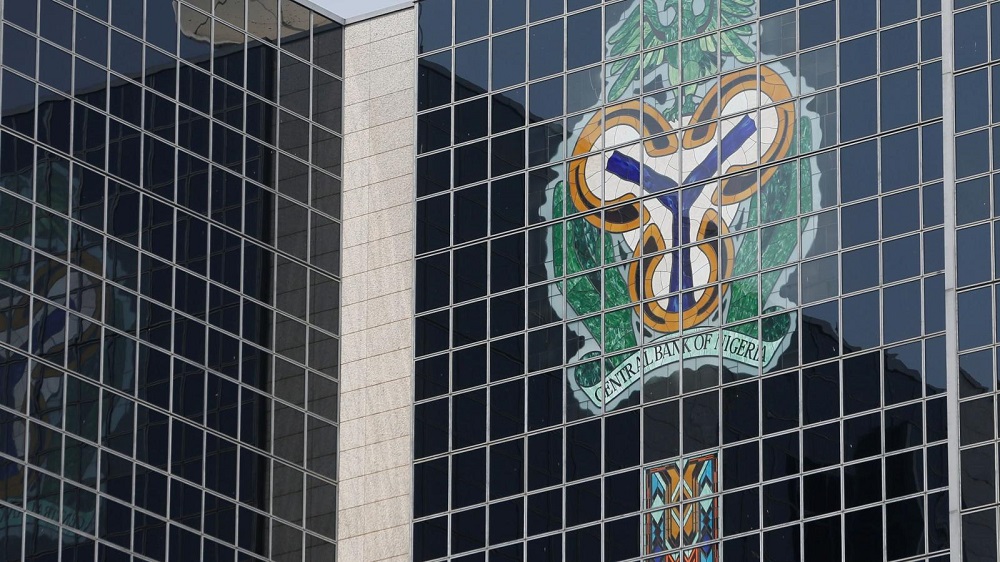
Nigeria’s monetary policy outlook is set to hinge on upcoming inflation data, as rising global oil prices and escalating geopolitical tensions complicate the path forward for the Central Bank of Nigeria (CBN), according to Head of Market Research at FXTM, Mr Lukman Otunuga.
Nigeria’s Consumer Price Index (CPI) for March, due this week, is expected to show a moderation in inflation to 13.4 per cent year-on-year from 15.1 per cent in February.
Otunuga said in a chat with THE WHISTLER that sustained signs of easing price pressures could provide the CBN with room to consider loosening monetary policy, even as external risks continue to mount.
“The direction of inflation will be critical in shaping the CBN’s next move,” Otunuga said. “While domestic price pressures appear to be cooling, global developments, particularly in oil markets and geopolitics, are creating a more complex backdrop for policymakers.”
Nigeria’s currency has remained relatively resilient in recent months, with the naira ranking as the second-best performing currency in Africa against the US dollar on a year-to-date basis, trailing only the Zambian kwacha. However, this stability has come at a cost.
Nigeria’s foreign exchange reserves have declined for 16 consecutive days through April 8, falling to $48.94bn, the lowest level since mid-February. The drawdown reflects sustained interventions by the Central Bank of Nigeria to support the naira amid heightened volatility triggered by global risk aversion.
Advertisement
The external environment has become increasingly uncertain following the breakdown of high-level talks between the United States and Iran over the weekend.
Despite nearly 21 hours of negotiations, both sides failed to reach agreement on key issues, including Iran’s nuclear programme and control of the strategic Strait of Hormuz.
Tensions escalated further after former US President Donald Trump threatened to impose a blockade on the Strait, a critical artery for global oil shipments. Iran has also pushed back against US restrictions, raising concerns over potential disruptions to supply and broader regional instability.
Markets reacted swiftly to the developments. Global equities came under pressure as investors shifted toward safer assets, while oil prices surged sharply on fears of supply shocks. Brent crude rose as much as 9 per cent to around $104 per barrel, with analysts warning that prolonged disruptions could sustain prices at elevated levels.
“The risk premium in oil has risen significantly,” Otunuga noted. “If tensions deepen, triple-digit oil prices could become the norm, with implications for global inflation and growth.”
Advertisement
The effective closure of the Strait of Hormuz since late February has further amplified concerns about supply constraints, adding to inflationary pressures worldwide and complicating the policy outlook for central banks, including Nigeria’s.
For the CBN, the interplay between domestic disinflation and external shocks presents a policy dilemma. While softer inflation could justify a rate cut to support growth, higher oil prices and global uncertainty may fuel imported inflation and capital outflows, limiting the scope for easing.
In the commodities market, gold prices have also reflected shifting expectations. Although the precious metal briefly rebounded above $4,700, it remains under pressure from a stronger US dollar and rising inflation expectations, which have dampened prospects for lower global interest rates in 2026.
Otunuga emphasized that the coming days will be pivotal, with Nigeria’s inflation data likely to set the tone for monetary policy decisions, even as global developments continue to test economic stability.
“The CBN is navigating a delicate balance,” he said. “Inflation may be easing, but the risks from oil and geopolitics mean policymakers will need to proceed with caution.”