
Iran Accepts Temporary Ceasefire, Agrees To Reopen Strait Of Hormuz
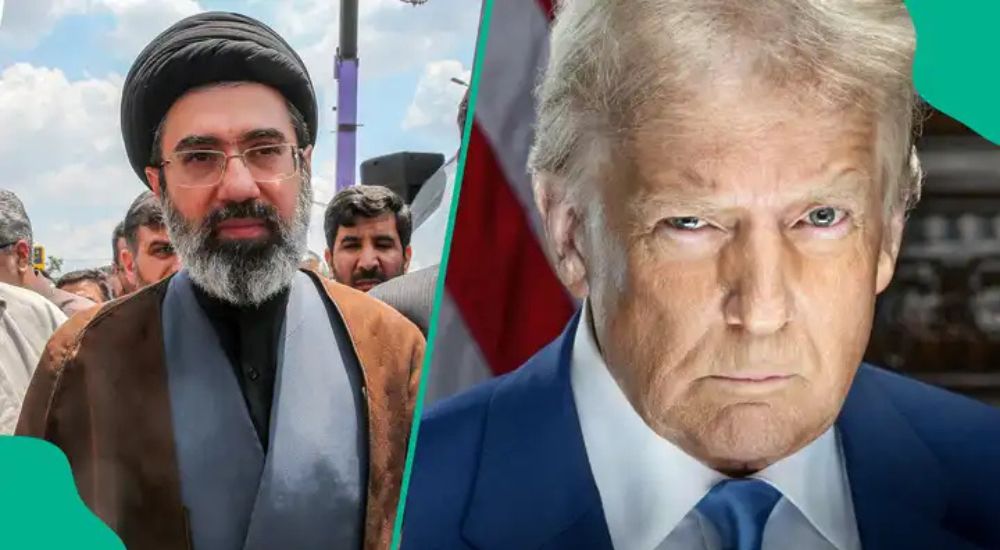
Iran has officially accepted a conditional two-week ceasefire with the United States, tying the agreement to the immediate reopening of the Strait of Hormuz for safe international shipping.
Iran’s Supreme National Security Council confirmed the acceptance on Wednesday, stating that the country would cease its defensive operations if attacks against Iran are halted.
The council emphasized that the truce does not signal the end of the war, warning: “Our hands remain upon the trigger, and should the slightest error be committed by the enemy, it shall be met with full force.”
Foreign Minister Abbas Araghchi announced that safe passage through the Strait of Hormuz will be possible for the next two weeks via coordination with Iran’s Armed Forces, with what he described as “due consideration of technical limitations.”
Iran and Oman are also expected to charge transit fees for vessels passing through the waterway during this period.
Advertisement
In its official statement, the Supreme National Security Council described the development as a historic victory for Iran, claiming that the United States has accepted the general framework of Iran’s ten-point proposal as the basis for upcoming negotiations.
The council’s demands include guarantees of non-aggression and an end to attacks on all fronts, the lifting of all primary and secondary sanctions, payment of compensation for war damages, withdrawal of U.S. combat forces from the region, continued Iranian control and regulated passage through the Strait of Hormuz, and acceptance of Iran’s uranium enrichment activities.
The council congratulated the Iranian people on what it called a massive victory that forced America to back down from its threats.
Negotiations between Iran and the United States are scheduled to begin on Friday, April 10, 2026, in Islamabad, Pakistan, under Pakistani mediation, with Prime Minister Shehbaz Sharif inviting delegations from both countries.
Iran has said the talks will focus on finalizing details based on its ten-point plan.
Advertisement
Despite the official celebrations, the ceasefire’s fragility was immediately apparent.
Missiles were still launched from Iran toward Israel and several Gulf states after the truce came into force at 8 p.m. ET. Israeli Prime Minister Benjamin Netanyahu said Israel supports the U.S.-Iran ceasefire but maintained that the deal does not cover the ongoing conflict in Lebanon, where Israel has been fighting Iranian-backed Hezbollah forces.
Despite official celebrations of victory in Tehran, some Iranians expressed skepticism about the agreement.
Iranian officials have stressed the need for national unity and vigilance as negotiations proceed.