
Iran Rejects U.S. Ceasefire Proposal, Demands Permanent End To War
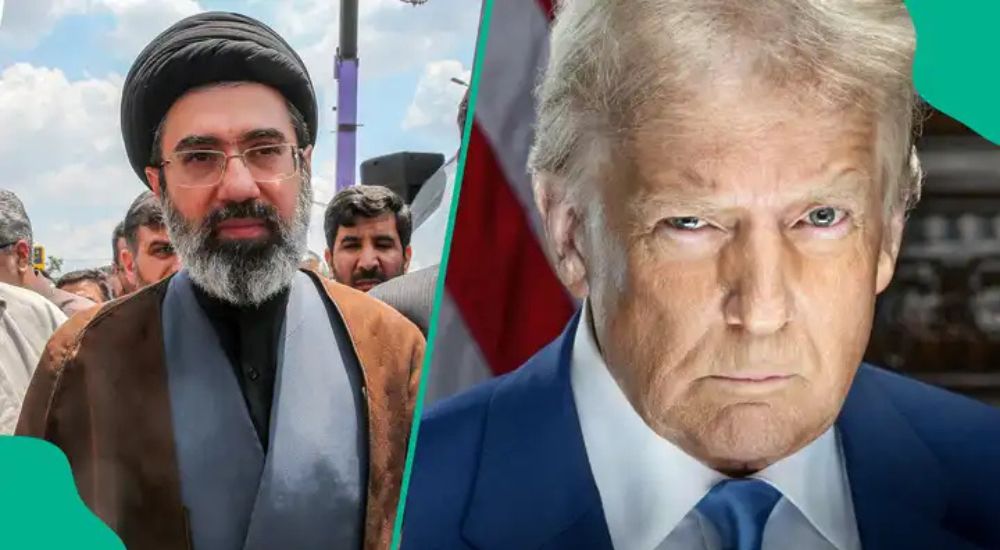
Tehran has formally conveyed its response to a U.S.-backed proposal aimed at ending the ongoing war in the Middle East, using Pakistan as an intermediary, according to Iran’s state news agency IRNA.
The Iranian reply firmly rejects any temporary or short-term ceasefire. Instead, Tehran insists on a permanent end to hostilities that addresses its core demands and respects its sovereignty.
This development comes amid intensified diplomatic efforts by regional players, including Pakistan, which has played a central role in relaying messages between Washington and Tehran.
Earlier, the U.S. had transmitted a 15-point proposal through Pakistani channels, reportedly including elements such as sanctions relief, curbs on Iran’s nuclear and ballistic missile programs, enhanced international monitoring, and measures to ensure safe shipping through the strategically vital Strait of Hormuz.
Iranian officials have repeatedly characterized the US plan as “excessive,” “maximalist,” “unreasonable,” and one-sided, serving primarily American and Israeli interests. A senior Iranian official previously described the initial response as “not positive,” while state media emphasized that Iran will only end the conflict on its own terms and timeline.
Iran has rejected any temporary ceasefire, arguing it would merely allow adversaries to regroup. The country calls for a comprehensive and permanent end to the war, with demands including war reparations and reconstruction support, lifting of sanctions, guarantees against future aggression, and recognition of Iranian sovereignty or control protocols over the Strait of Hormuz.
Advertisement
Tehran has also emphasized that no direct negotiations with the U.S. have taken place, and that messaging through intermediaries does not equate to talks while fighting continues.
Foreign Ministry spokesperson Esmaeil Baghaei has reiterated that Iran has formulated its own framework based on national interests and will not yield to ultimatums or threats. Iran has also signaled it will not reopen the Strait of Hormuz as part of any short-term pause.
Pakistan continues to facilitate communications despite acknowledged “obstacles,” with officials in Islamabad stating they remain committed to promoting dialogue for regional stability. Other actors, including Egypt and Turkey, have been involved in parallel mediation attempts, though some reports suggest certain tracks have faced setbacks.
The situation remains highly fluid. Fighting persists alongside these backchannel exchanges, with both sides issuing strong public statements. U.S. President Donald Trump has previously expressed optimism about a potential deal while also issuing warnings regarding the Strait of Hormuz and broader military options.
No full public text of either the U.S. proposal or Iran’s detailed counter-response has been released.
Advertisement