
NGX Approves Volume-Based Triggers For Equity Price Adjustments
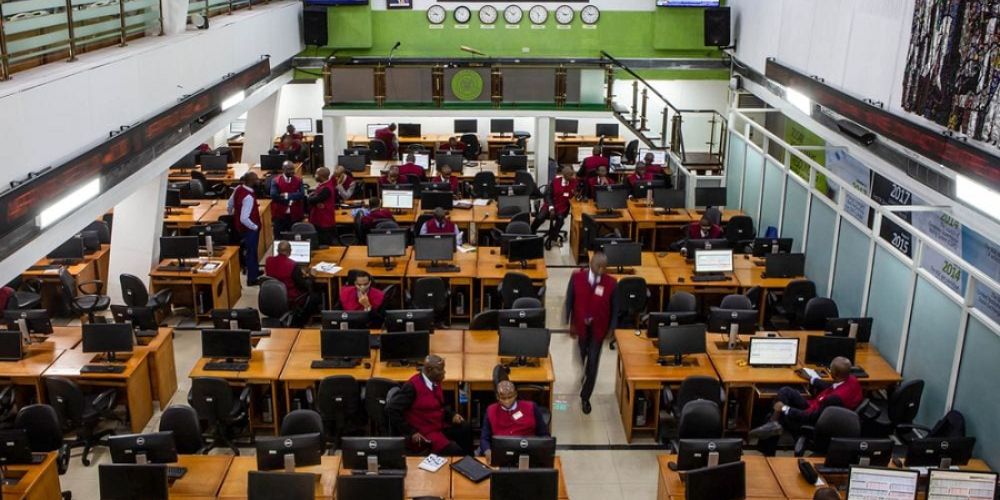
The Nigerian Exchange (NGX) has introduced a new trading framework that will require minimum volumes of shares to be traded before the market price of an equity can change, marking a significant shift in the exchange’s price discovery mechanism and efforts to strengthen market integrity.
Under the new rules, stocks will be grouped according to their market prices, with each category subject to a minimum trading volume threshold before a price movement can be reflected on the exchange.
According to information obtained from a market operator familiar with the development, the effective date for implementation is expected to be confirmed and communicated by the exchange in due course.
The framework stipulates that equities priced at N1,000 and above will require a minimum of 10,000 shares to be traded before a change in the published market price can occur.
Stocks trading between N500 and N999.99 will require at least 50,000 units to trigger a price adjustment, while equities priced below N500 will need a minimum volume of 100,000 shares before their prices can move.
Advertisement
The NGX classified the thresholds into three categories: Group A securities, which require a minimum of 10,000 units; Group B securities, which require 50,000 units; and Group C securities, which require 100,000 units.
Market analysts say the new regime is designed to prevent situations where relatively small transactions significantly influence stock prices, particularly in highly priced equities where limited trading activity can distort market valuations.
The development represents one of the most notable changes to trading operations on the exchange in recent years and is expected to have implications for investors, stockbrokers, market makers and institutional traders.
By introducing volume-based triggers for price movements, the exchange aims to enhance the reliability of market prices and ensure that quoted values more accurately reflect meaningful trading activity rather than isolated transactions.
Industry participants believe the measure could improve price stability, deepen investor confidence and reduce the potential for price manipulation through low-volume trades.
Advertisement
They note that stocks with relatively low free-float levels or limited daily trading activity have often experienced sharp price swings driven by small transactions.
However, some market operators have expressed concerns that the new thresholds may reduce price responsiveness in less liquid stocks, where achieving the required trading volumes could prove challenging. Such securities may experience longer periods of price stagnation despite changes in investor sentiment or demand.
Analysts also suggest that the rule could encourage greater market participation and liquidity, as larger transaction volumes may be required to establish new price levels.
The impact is expected to vary across sectors and market capitalisation categories, with high-priced stocks likely to be among the most affected.
The policy comes at a time when regulators and market stakeholders are placing increased emphasis on transparency, liquidity and efficient price formation within the Nigerian capital market.
Recent reforms have focused on strengthening investor protection, improving market efficiency and positioning the exchange to attract both domestic and foreign investment flows.
Advertisement
Market participants are expected to closely monitor the implementation of the new framework and its effect on trading behaviour, liquidity patterns and overall market performance once the NGX announces the commencement date.