
OPINION: Three Years Later: Nigerians Await Tinubu’s Promise Of Reliable Electricity
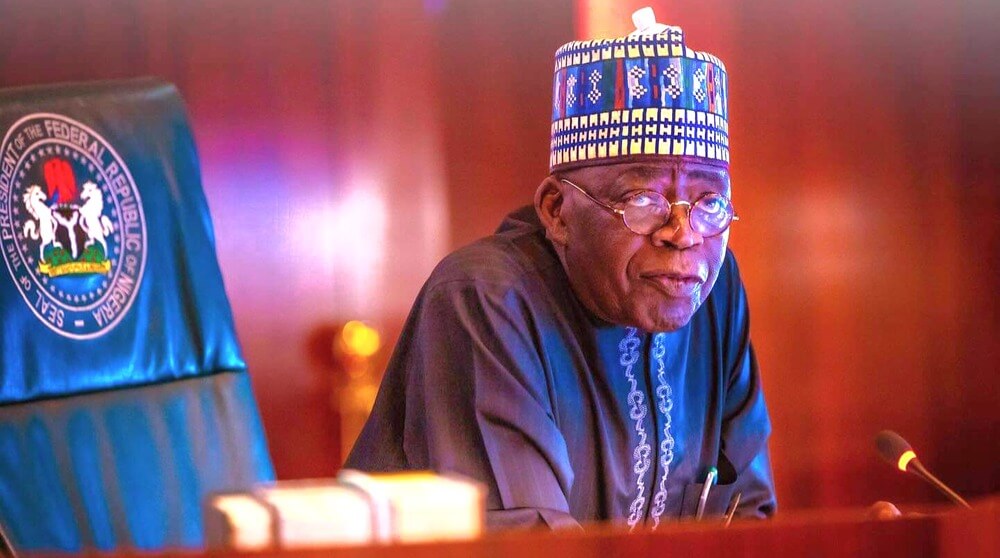
An Open Letter to President Bola Ahmed Tinubu
Mr. President, campaign promises are ultimately judged by results. A promise acquires meaning only when it is translated into measurable improvements in the lives of citizens.
One of the defining commitments of your 2023 presidential campaign was your pledge to deliver reliable electricity to Nigerians. At a time of persistent power shortages, rising energy costs, and widespread frustration with the power sector, that promise offered hope. You went further by inviting Nigerians to hold you accountable, stating that if you failed to achieve this objective, Nigerians should not vote for you again.
Three years later, that promise remains one of the most important tests of your administration.
Electricity is more than an infrastructure challenge. It is the foundation upon which modern economies are built. It powers industries, supports healthcare and education, drives investment, and improves the quality of life of citizens. No nation has achieved sustainable industrial growth while operating in darkness.
Advertisement
While reforms have been initiated across segments of the electricity value chain, many Nigerians continue to experience unreliable power supply, making it necessary to assess whether these efforts are translating into measurable improvements for households and businesses.
Nigeria continues to face significant electricity challenges. Despite an installed generation capacity of approximately 13,625 megawatts, a substantial portion of that capacity remains unavailable to consumers. According to the Nigerian Electricity Regulatory Commission’s January 2026 Operational Performance Factsheet, grid-connected power plants recorded a Plant Availability Factor of 36 percent, with average available generation of approximately 4,901 megawatts and average dispatched generation of about 4,421 megawatts. These figures suggest that Nigeria continues to operate far below its installed generation potential despite ongoing reforms within the sector.
Millions of Nigerians still depend on generators and alternative energy sources, raising an important question: what measurable progress has been made toward the reliable electricity you promised?
While many Nigerians continue to grapple with erratic power supply, reports that the Presidency has secured an independent solar power system for the Presidential Villa have raised concerns about the administration’s confidence in the national grid. Such developments create the impression that government officials have found alternative solutions for themselves while ordinary Nigerians remain trapped in darkness and economic hardship caused by unreliable electricity.
For households, unreliable electricity means higher living costs and reduced quality of life. For businesses, it means higher operating expenses, lower productivity, and reduced competitiveness. For the nation, it represents a significant constraint on economic growth, industrial development, and job creation.
Advertisement
I recall sharing your promise with residents of Apamauru near Obajana and Apamira in Ajaokuta Local Government Area. They listened with hope. Today, many still ask: “Will we ever have electricity like other Nigerians?” Their question reflects the frustration of countless communities across Nigeria that continue to live in the shadow of major national assets while lacking one of the most basic requirements for development.
This leads to a simple question:
What strategy informed the confidence behind that promise?
What targets, investments, and reforms supported your confidence that reliable electricity could be achieved? What progress has been made in generation, transmission, distribution, metering, and regulation?
As your administration marks its third year, Nigerians deserve clear answers.
How much electricity was available in May 2023 compared to today? How many more homes and businesses now enjoy reliable power? How many customers have been metered? What projects have been completed, and what improvements can Nigerians expect before the end of your first term?
Advertisement
These are not partisan questions. They are matters of accountability.
I respectfully urge your administration to publish a comprehensive electricity-sector performance report covering May 2023 to May 2026, including:
- Generation capacity inherited and current available generation.
- Transmission capacity added.
- Distribution projects completed.
- New households and businesses connected.
- Customers successfully metered.
- Investments committed to the sector.
- Targets and timelines for the remainder of your first term.
Such transparency would allow Nigerians to assess progress based on verifiable facts rather than competing claims.
During the campaign, you asked Nigerians to judge your leadership by your ability to deliver reliable electricity. Three years later, Nigerians have a right to know how close that promise is to fulfillment.
For millions of Nigerians, electricity is not just a policy issue; it is the difference between opportunity and hardship.
The promise has not been forgotten. Every home without reliable power, every struggling business, and every community still waiting for electricity is a reminder that the commitment remains unfinished.
History will judge governments not by the promises they make but by the outcomes they deliver. Reliable electricity remains one of the most consequential promises made to Nigerians in 2023. Three years later, the nation deserves a transparent account of what has been achieved, what remains unfinished, and when meaningful results can reasonably be expected.
Nigerians deserve more than assurances. They deserve facts, transparency, measurable results, and a clear roadmap toward the reliable electricity that was promised.
— Prince Buhari Omolori, a Data Scientist and Software Developer, writes from Abuja.