
U.S. Charges Former Cuban President With Murder
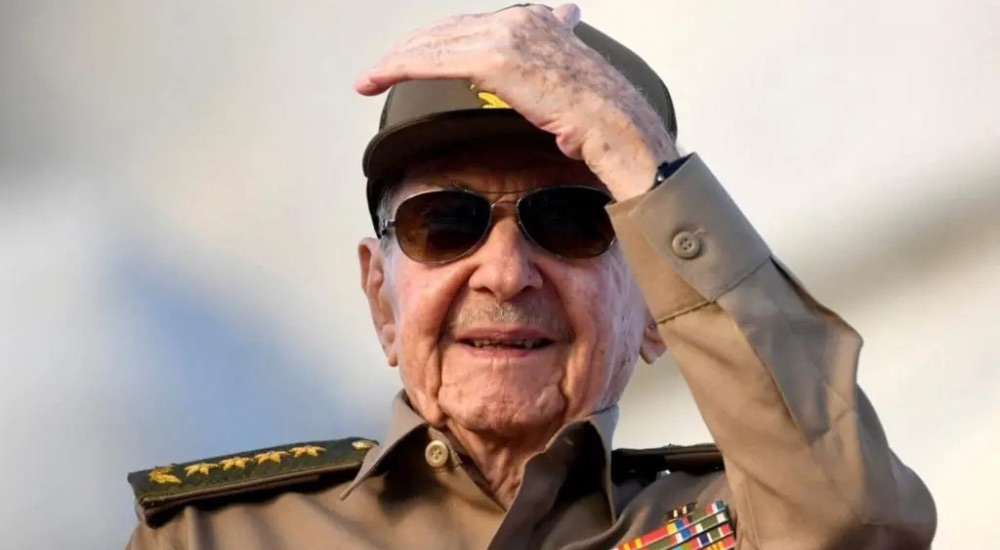
The United States Department of Justice indicted former Cuban President Raúl Castro on Wednesday in connection with the 1996 shooting down of two civilian planes that killed four Cuban Americans.
Castro, who was defense minister at the time, faces charges of conspiracy to kill U.S. nationals, destruction of an aircraft, and murder in connection to the shootdown.
Five Cuban military officers were also charged in the case, including the airmen allegedly involved in the shootdown: Lorenzo Alberto Perez-Perez, Emilio Jose Palacio Blanco, Jose Fidel Gual Barzaga, Raúl Simanca Cardenas and Luis Raúl Gonzalez-Pardo Rodriguez.
On February 24, 1996, three planes carrying members of Brothers to the Rescue entered a zone close to the 24th parallel, a short distance north of Havana.
Cuban fighter planes shot down two of the unarmed civilian Cessnas, killing all four men aboard. A third plane, carrying the organisation’s leader, narrowly escaped.
The four men killed were Armando Alejandre Jr., Carlos A. Costa, Mario M. de la Peña and Pablo Morales, three US citizens and one US legal resident.
Advertisement
The charges were announced during a press conference held at Miami’s Freedom Tower, a landmark long regarded as a symbol of the Cuban American exile community, on May 20, the date recognised as Cuban Independence Day.
Relatives of the victims spoke ahead of the formal announcement. Sylvia Iriondo, a survivor of the shootdown, called Wednesday
“a day of hope, a day that marks a road of justice that has eluded our families and communities for 30 years.”
Nelson Morales, brother of pilot Pablo Morales who died in the shootdown, described it as “a glorious day for exiled Cubans who are demanding justice.”
The Cuban government has long argued the strike was a legitimate response to the planes intruding on Cuban airspace.
Advertisement
Fidel Castro said Cuba’s military acted on “standing orders” to down planes entering Cuban airspace and that Raúl Castro did not give a specific order to shoot the planes. The International Civil Aviation Organisation later concluded the shootdown took place over international waters.
The Justice Department had charged three Cuban military officers in 2003 but they were never extradited. Castro, now 94, remains in Cuba, making extradition highly unlikely.
Trump in a statement on Wednesday called Cuba a “rogue state harbouring hostile foreign military” and framed his administration’s actions as part of a broader effort to expand U.S. influence in the Western Hemisphere.