U.S. Navy Strikes Three Iranian Vessels In Persian Gulf Amid Escalating Tensions
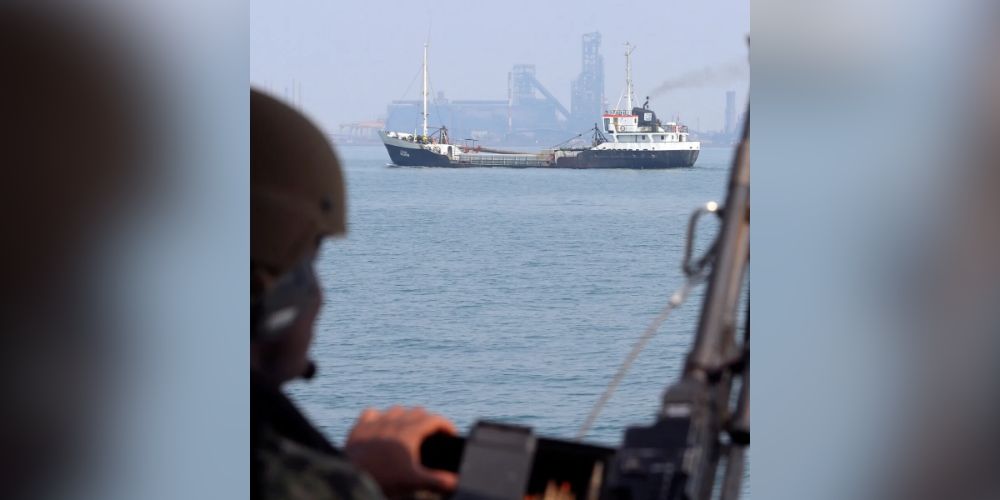
Tensions in the Middle East escalated sharply on Monday after the United States Navy reportedly launched a targeted strike against three Iranian vessels operating in the Persian Gulf, in what officials describe as a defensive response to perceived threats against allied shipping and military assets in the region.
According to early military reports, the vessels, believed to belong to Iran’s Islamic Revolutionary Guard Corps Navy (IRGCN), were engaged in what U.S. defense officials described as “aggressive maneuvers” near international shipping lanes before the strikes were carried out.
Sources within the U.S. Department of Defense indicated that American naval forces monitoring the area issued multiple warnings to the Iranian boats before taking action. When the vessels allegedly failed to comply, U.S. forces launched precision strikes, disabling the boats and preventing what officials feared could become an imminent threat to commercial and military vessels operating in the busy maritime corridor.
The Persian Gulf, a critical route for global oil shipments, has long been a flashpoint between Washington and Tehran, with both nations maintaining heavy military presence in the waters. Monday’s incident is the latest in a series of confrontations following weeks of heightened hostilities between Iran and its regional adversaries.
While the United States has framed the strike as a defensive measure aimed at protecting international maritime security, Iranian authorities have yet to release an official statement confirming the extent of the damage or casualties resulting from the attack.
Security analysts warn that the incident could further intensify the already volatile situation in the region, especially amid ongoing geopolitical tensions involving Iran, Israel, and Western allies. Military observers also fear the possibility of retaliatory actions by Tehran, which could threaten shipping routes and energy supplies across the Gulf.
Advertisement
Global markets and diplomatic circles are closely watching developments, as any prolonged conflict in the Persian Gulf could have far-reaching consequences for international trade, oil prices, and regional stability.