
What Atiku, Obi Must Do To Win In 2027 – NEF Official
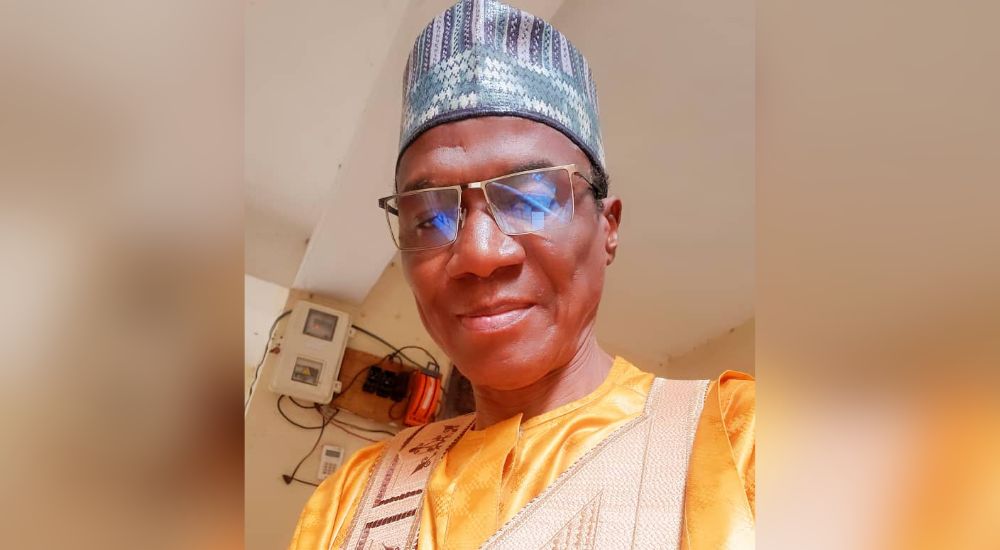
Abdul-Azeez Suleiman is the Director of Non-Governmental Organisations and Civil Society Organisations of the Northern Elders Forum. He speaks on the huddles that might face President Bola Tinubu ahead of the 2027 general elections; how suspected suspicion and betrayals could mar the chances of Mr Peter Obi’s proposed single tenure for the new coalition party, as well as where Atiku Abubakar should channel his energy instead of pursuing his presidential quest as the end in itself. He spoke with Chinedu Aroh of THE WHISTLER.
What is your assessment of President Tinubu’s re-election chances in 2027?
Assessing President Bola Tinubu’s re-election chances in 2027 requires a multifaceted analysis of his governance, public sentiment, and political dynamics. His administration’s performance in addressing key issues such as economic stability, security, and infrastructure will significantly influence voters’ perception. Additionally, the political situation, including potential challengers and party unity, will play a crucial role. If Tinubu successfully navigates these challenges and fosters a positive narrative around his achievements, he may bolster his re-election prospects. However, any perceived shortcomings or rising opposition could jeopardize his standing, making the electoral space unpredictable as the election approaches.
Do you see the new coalition, ADC, as a threat to him?
The ADC, with its promise of progressive policies and inclusive governance, could indeed challenge the status quo, compelling incumbent politicians to reassess their strategies and alignments. This coalition, by harnessing a diverse base of support, may attract disillusioned voters who feel marginalized by traditional parties, thereby disrupting the electoral calculus. Consequently, established leaders may view the ADC not merely as an opposition force but as a catalyst for change that could undermine their authority and influence. As the political landscape evolves, the ADC’s ability to galvanize support and articulate a compelling vision for the future will be critical in determining whether it poses a significant threat to existing power structures or merely serves as a reflection of a broader demand for reform.
Can ADC survive considering the ambitions of some key players, like former Vice-President Atiku Abubakar and Mr Peter Obi?
Advertisement
The survival of the ADC in the current political situation is increasingly challenged by the ambitions of prominent figures such as Atiku Abubakar and Peter Obi, who are both vying for significant influence in Nigeria. Atiku, representing the People’s Democratic Party (PDP), leverages his extensive political experience and established network, aiming to consolidate support within the party’s traditional base. Meanwhile, Obi, as a key figure in the Labour Party, appeals to a younger demographic disillusioned with conventional politics, advocating for transformative policies that resonate with the electorate’s aspirations. The ADC, with its relatively nascent position, must navigate this competitive environment by clearly articulating its unique value proposition and mobilizing grass-roots support. To endure, the ADC must not only differentiate itself from these established players but also forge strategic alliances that enhance its visibility and relevance. Ultimately, its survival hinges on the ability to adapt to the evolving political dynamics while remaining true to its foundational principles, thereby carving out a distinct niche in Nigeria’s multifaceted political landscape.
Mr Peter Obi proposed a single tenure to hand over to the North. Can he be trusted?
The proposal by Mr Peter Obi for a single tenure aimed at facilitating a peaceful transfer of power to the North raises pertinent questions about trust and political dynamics. While some segments of the population may view Obi’s intentions as a progressive step towards national unity, skepticism remains prevalent, particularly among Northern constituents. Historical grievances, regional disparities, and a legacy of political mistrust contribute to the hesitance in fully embracing Obi’s proposition. The North, having experienced a complex interplay of political alliances and betrayals, may perceive the single tenure as a potential manoeuvre rather than a genuine commitment to equitable governance. Furthermore, the perception of Obi as a candidate who may prioritize certain regional interests could exacerbate existing divisions. Thus, while Obi’s vision may resonate with some, the broader implications of his proposal necessitate a careful examination of trustworthiness across Nigeria’s diverse political landscape. For true reconciliation and stability, Obi must not only articulate a clear and inclusive agenda but also actively engage with Northern leaders to foster confidence and mitigate apprehensions surrounding his intentions.
How would you describe what some quarters may call the inordinate ambition of Atiku Abubakar to become Nigeria’s president? What is your advice to him?
Atiku Abubakar’s relentless pursuit of the Nigerian presidency raises questions about the nature of ambition in political leadership. While ambition can be a catalyst for progress, it is crucial for Atiku to temper his aspirations with a strategic and realistic approach to governance. Over-ambition, if unchecked, may lead to disillusionment among constituents and detract from the genuine concerns of the populace. To enhance his candidacy, Atiku should focus on building a cohesive vision that addresses Nigeria’s pressing issues, such as economic instability, security challenges, and social inequality. Engaging in meaningful dialogues with diverse stakeholders, including youth and marginalized communities, can foster a sense of inclusivity and trust. Additionally, demonstrating a commitment to transparency and accountability will resonate with voters who seek genuine leadership. Ultimately, my advice to Atiku is to channel his ambition into a transformative agenda that prioritizes the welfare of all Nigerians, rather than merely seeking the presidency as an end goal. This approach will not only bolster his credibility but also pave the way for a more united and prosperous Nigeria.
Advertisement
Do you anticipate free and fair elections in 2027 without electoral reforms?
The prospect of free and fair elections in 2027 hinges significantly on the implementation of comprehensive electoral reforms. Without these reforms, the integrity of the electoral process remains jeopardized by systemic issues such as gerrymandering, voter suppression, and lack of transparency in campaign financing. Historical precedents suggest that elections conducted under such conditions often lead to disenfranchisement and public disillusionment, undermining the democratic process. Furthermore, the absence of reforms may perpetuate existing power imbalances, favoring incumbents and stifling genuine competition. To foster a political environment conducive to equitable representation, it is imperative that stakeholders, including government entities, civil society, and the electorate, advocate for and implement reforms that enhance electoral integrity. These reforms should prioritize voter accessibility, impartial oversight, and accountability mechanisms. Ultimately, the realization of free and fair elections in 2027 is contingent upon a collective commitment to reforming the electoral framework, thereby restoring public trust and ensuring that the democratic ideals of representation and participation are upheld.