
Bauchi APC Divided Over Bala Mohammed Defection
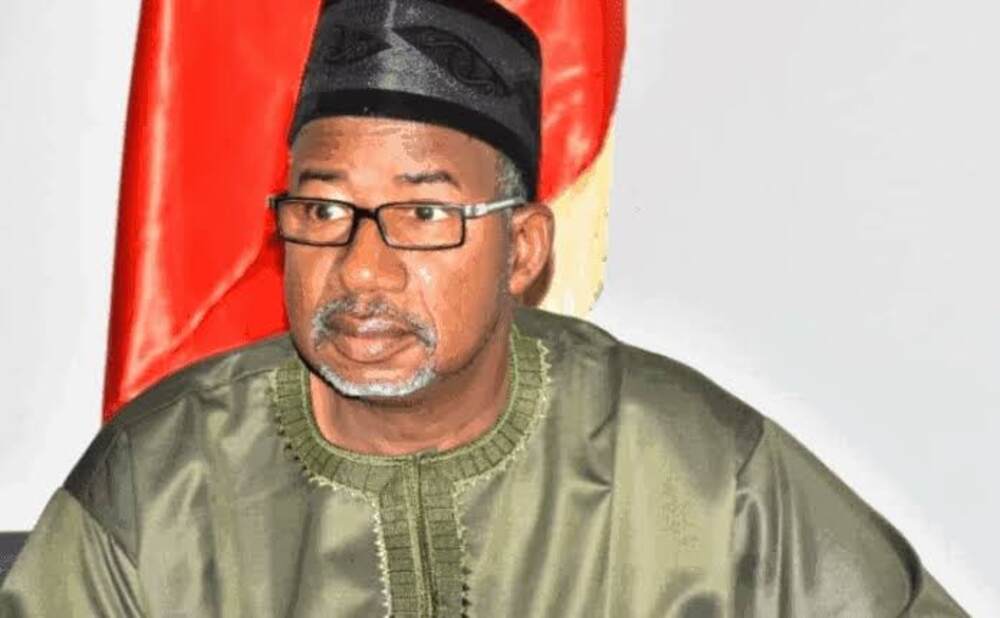
The Bauchi State chapter of Nigeria’s All Progressives Congress is internally split over whether and how to admit Governor Bala Mohammed, currently of the Peoples Democratic Party, into their ranks.
The tension surfaced at a caucus meeting in Abuja on Wednesday, where members clashed over the lack of consultation with state-level stakeholders.
The caucus chairman and Bauchi North senator, Sama’ila Dahuwa, called the omission “unacceptable,” warning that bypassing local structures undermines internal democracy and risks destabilising the party.
To manage the differences, the caucus agreed to set up a high-powered committee to articulate its position and engage the party’s national leadership.
The Acting Secretary of the caucus, Dabo Ismail, said the committee would define conditions under which the governor could be admitted and ensure that state stakeholders are not sidelined in the process.
According to him, the panel is expected to engage critical actors, represent the caucus in negotiations, and provide periodic updates on developments.
Advertisement
Ismail said that while the governor is not being shut out, the process must reflect internal democracy.
He noted that Mohammed is welcome in the APC but urged the national leadership to carry state stakeholders along in any negotiations, describing the committee as a “democratic mechanism” to manage divergent interests while preserving party cohesion.
However, concerns over the handling of the matter dominated discussions.
Mohammed’s reported defection moves come against the backdrop of shifting political alliances ahead of the 2027 general election and growing speculation about his next political platform.
A former Minister of the Federal Capital Territory and a key figure in the Peoples Democratic Party, Mohammed has remained one of the party’s influential voices in the North-East.
Advertisement
However, internal dynamics within the PDP, as well as evolving national coalitions, have fuelled talks of a possible exit.
On March 31, 2026, the governor publicly indicated plans to leave the PDP for the African Democratic Congress, a move widely interpreted as part of broader opposition realignments.
That declaration triggered fresh political calculations, including overtures from rival parties.
His position drew further attention following a closed-door meeting at the Bauchi Government House involving the APC National Chairman, Nentawe Yilwatda, and Kano State Governor, Abba Yusuf.
The meeting intensified speculation that the APC may be exploring a pathway to bring Mohammed into its fold, despite his earlier indication of interest in the ADC.
For the APC in Bauchi, the prospect of admitting a sitting PDP governor presents both an opportunity and a dilemma.
Advertisement
While it could significantly boost the party’s electoral strength in the state, it also raises concerns about the displacement of existing power structures and the future of loyal party members who have built the platform over time.
Such tensions are not new in Nigeria’s political landscape, where high-profile defections often trigger internal resistance, particularly when they threaten established hierarchies.
With consultations ongoing and positions hardening, the Bauchi APC now faces a delicate balancing act, how to expand its base without fracturing its core.