
Electricity Tariff Lowest In West Africa As Togo, Benin, Niger Owe $14m
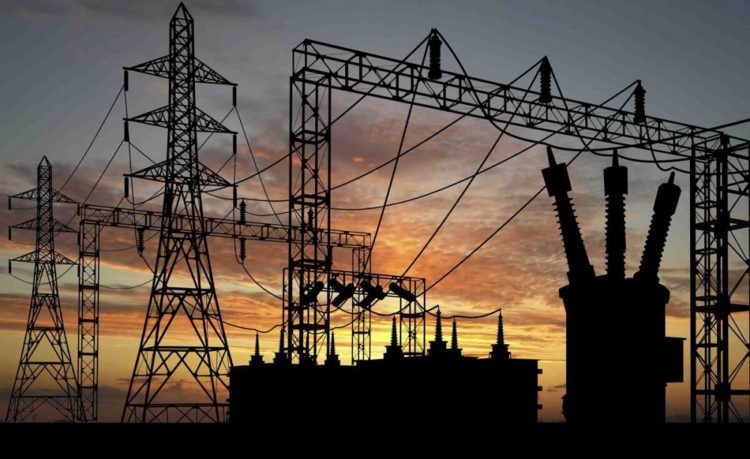
Despite $14.01m in electricity debts by Togo, Benin, and the Niger Republics, Nigeria still maintains the lowest electricity tariff in West Africa, a report from the Nigerian Electricity Regulatory Commission (NERC) has revealed.
According to NERC’s 2024 Annual Report, the three West African power utilities, Nigerienne d’Électricité (NIGELEC) of the Niger Republic, Société Béninoise d’Energie Electrique (SBEE) of the Benin Republic, and Compagnie Énergie Électrique du Togo (CEET) of Togo, failed to remit $14.01m for ancillary services provided by the Nigerian electricity market in the year under review.
The report stated that the three utilities were invoiced a total of $56.07m for services rendered by the Market Operator (MO), an arm of the Transmission Company of Nigeria (TCN).
However, the trio only remitted $42.06m, representing a remittance performance of 75.01 per cent, leaving an outstanding balance of $14.01m.
Also, the statement stated that the average allowed end-use customer tariff in Nigeria was US$0.07/kWh (approximately ₦100.27/kWh).
This figure represents just 35.71 per cent of the US$0.19/kWh average tariff charged in other selected West African countries.
Advertisement
Despite the seemingly low rates paid by Nigerian customers, the actual cost of supplying electricity, known as the cost-reflective tariff (CRT), stood at US$0.12/kWh (₦175.31).
According to the commission, the CRT in Nigeria was only 63 per cent of the average rate in the reference countries, further underlining the scale of the government’s intervention to bridge the pricing gap.
NERC noted that the widening difference between the allowed tariff and the CRT resulted in an average subsidy of ₦75.04/kWh in 2024, one of the highest in recent years.
The report also revealed wide disparities among Distribution Companies (DisCos) across the country.
The commission stated that Yola DisCo recorded the highest cost-reflective tariff, a trend attributed to heightened operational costs, vandalism, and security challenges in its service territory.
Advertisement
However, with an allowed tariff still pegged at the national average, Yola DisCo benefited from the highest per-unit subsidy, receiving nearly twice the average subsidy per kilowatt-hour (kWh) compared to other DisCos.
In contrast, Ikeja and Eko DisCos operated with relatively lower CRTs and, consequently, lower subsidy allocations per unit of electricity delivered.
THE WHISTLER had earlier reported that the Federal Government’s electricity obligation was ₦91.63bn in the last quarter of 2024.
The federal government’s rising subsidy burden stems from the gap between the allowed end-user tariffs and the actual cost-reflective tariffs.
The tariff freeze at December 2022 rates was in effect throughout 2024, and the Federal Government incurred a ₦633.30bn subsidy in Q1 alone, a 303 per cent increase over the 2023 quarterly average of ₦157.15bn.
However, the upward tariff review for Band A customers in April 2024 helped reduce the subsidy to ₦380.06bn in Q2; a new directive freezing tariffs at July rates for the remainder of the year reversed this progress.
Advertisement
The subsidy obligation, however, rose again in Q3 and Q4 by ₦84.06bn (+22.12 per cent) and ₦91.63bn (+24.11 per cent), respectively, in 2024.
………………………………………………