FG Won’t Negotiate With Terrorists, Says Bwala
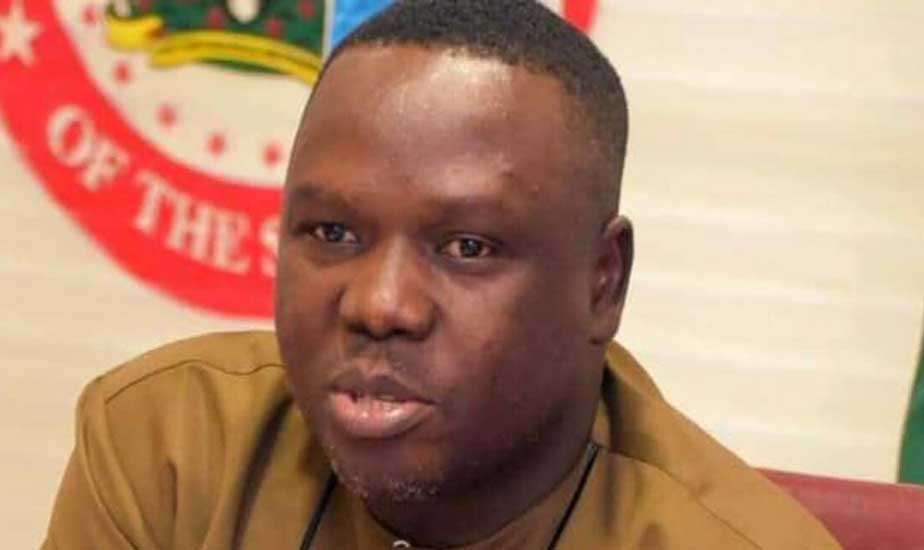
The Special Adviser to President Bola Tinubu on Policy Communication, Daniel Bwala, has said the Federal Government will not negotiate with terrorists or pay ransom under President Tinubu’s administration.
He stressed that the Federal Government has not paid ransom for any of the recently rescued kidnap victims and will not do so in the future.
Making this comment during an interview on Channels Television’s The Morning Brief on Wednesday, he explained that Nigeria’s security challenges are often so multifaceted that they can push any administration into tough, sometimes unconventional, choices.
“There was a time the federal government was negotiating (with terrorists), and I think that El-Rufai (the former Kaduna governor) once talked about a national policy at that time, when they said both states and the federal government can be in a situation where they will have to negotiate.
“Because if your duty is to preserve the life of people, and citizens of Nigeria are in danger, and negotiation is the only way to save them, and you have to save them, then you have to do all that you need to do to save them at that time.
Advertisement
“But President Tinubu came with this zero tolerance on negotiation because it didn’t fit into this terrorism financing. You see, you are constructively financing terrorism without knowing it.
“So instead of stopping them by giving them the money as ransom to collect the people, they also use the ransom money to buy more weapons.
“So the federal government does not tolerate the idea of negotiation,” he said.
Asked how the Federal Government managed to secure the release of some of the recently kidnapped schoolchildren without paying ransom, Bwala explained that several elements can influence how such situations unfold.
He noted that some individuals present themselves as negotiators, and not every interaction with armed groups revolves around money.
Advertisement
In some cases, he said, the captors may decide to release victims because holding them any longer could create problems they are unable to manage.
He added that influential figures, including religious leaders, can sometimes persuade abductors to free hostages.
In other instances, he said, security agencies may have already tracked the criminals’ location but are unable to strike because civilians are being held there, prompting authorities to issue warnings that eventually pressure the captors into letting the victims go.
According to him, there are also occasions when the groups simply choose to release people on their own.
“I also have to admit that sometimes families of individuals that are kidnapped end up paying the ransom or the state government ends up paying the ransom.
“All of these things are possible for the release of the people but you asked the question whether the Federal Government did pay ransom and I told you no, whether the Federal Government will pay ransom and I am saying no,” he said.