
INTERVIEW: We’re Opening Nigeria’s Cultural Archives To The World — CBAAC DG
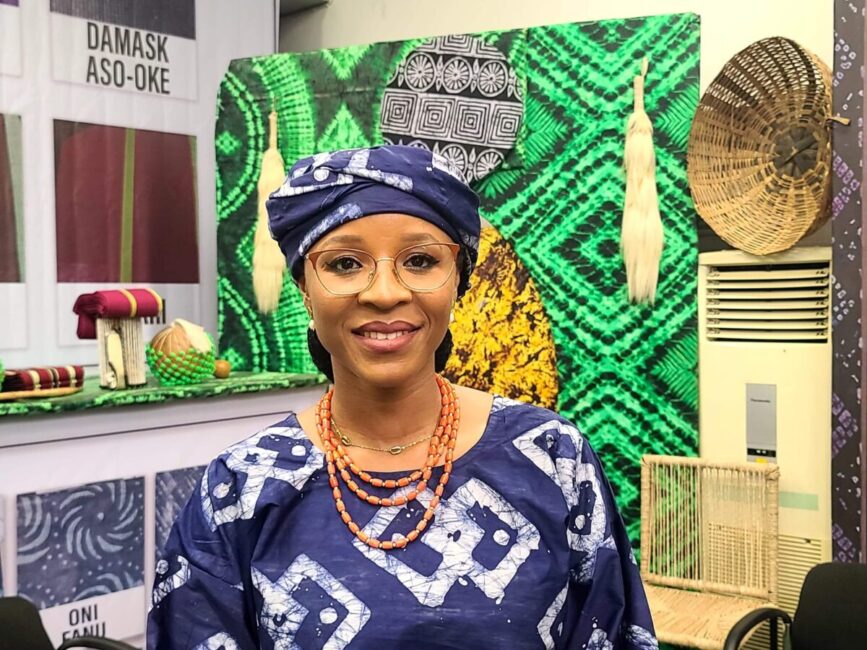
Aisha Augie is the Director-General of the Centre for Black and African Arts and Civilization (CBAAC). Appointed by President Bola Tinubu in 2024, she heads the federal government agency responsible for preserving the cultural legacy of FESTAC ’77, among others.
Augie is a professional photographer, filmmaker and artist with over 20 years’ experience. She’s former Special Adviser on Digital Communications to the Minister of Finance and former Senior Special Assistant on New Media to Kebbi State Governor.
A Kebbi indigene, she is the daughter of the late Senator Adamu Baba Augie and retired Justice Amina Augie, and has worked on projects focused on youth and women empowerment in the creative sector.
She spoke with Tayo OLU of THE WHISTLER at Ọjọ Ọjà, a fashion and textile exhibition, on the digitisation of African archives, the role of AI in preserving culture, and preparations for the 50th anniversary of FESTAC. Excerpts:
What Does An Event Like This Mean For CBAAC?
For us at the Center For Black And African Arts and Civilisation (CBAAC), anything that projects our culture, that innovates our culture, that preserves our culture, is important to us. We know that there are various kingdoms and emirates and chieftaincies across Nigeria that add value to Africa as a whole. And as a pan-African agency, we love to ensure that the voices of various different cultural entities across Africa are heard.
Advertisement
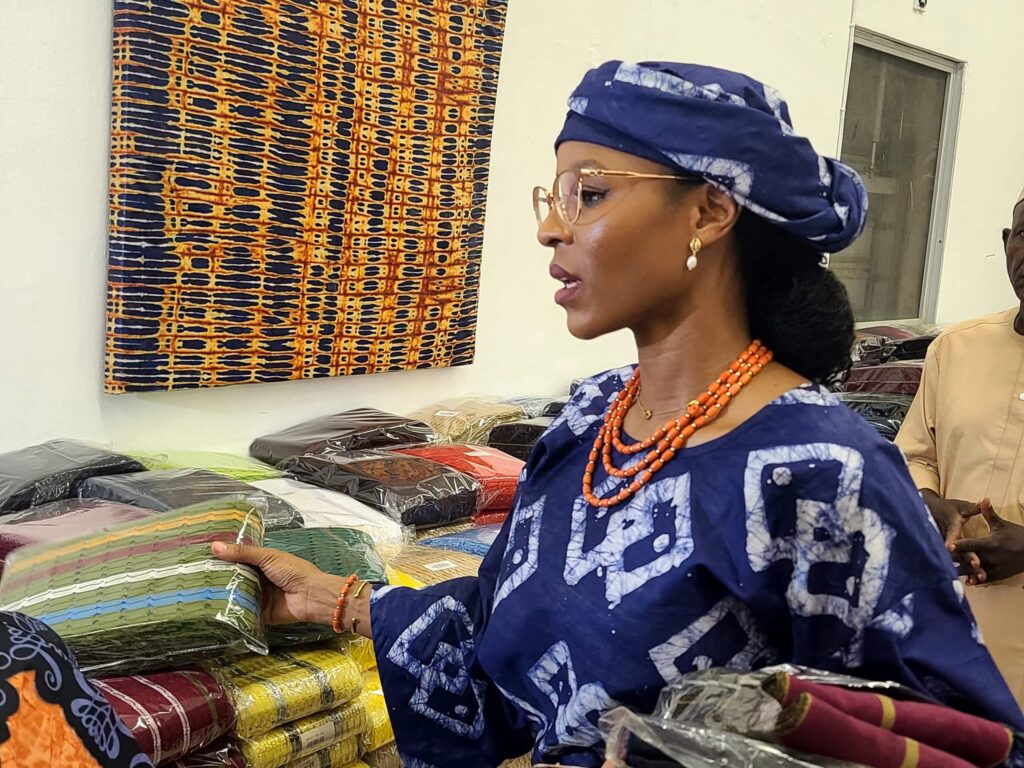
So when you have an event like this, that not only designates the names of all of the fabrics, but also tells us a bit of the history behind them, and also shows us how generations can earn from having a craft that is almost extinct, we’re very happy to be here, to experience this, and to also hopefully use this opportunity to utilize the knowledge they have to train others for growth.
What Drives Your Passion For African Art And Culture?
Well, for me, I’ve always had a mixed race, mixed tribe, mixed religious background.
So growing up as a child like that, you tend to have a bit of confusion as to who you are or to your identity. And I had to decide who I wanted to be, right? And with people like us, what that does for us, it keeps us open-minded about learning about others, and makes us an example that others should follow.
Advertisement
When you see a new culture, you don’t antagonize, you don’t hate on them, you don’t just create stereotypes as to who a person is just because they’re from a certain tribe.
So, culture has been something that has been personal to me, and I’ve been honored to be able to live a life that supports the growth of culture in Nigeria and Africa, and I continue to do so.
What Is Your Vision For CBAAC?
My vision for CBAAC is for it to become a Pan-African agency, not just a Nigerian agency, but one that actually connects with the rest of the world. We want to be able to be a strong voice for Africa.
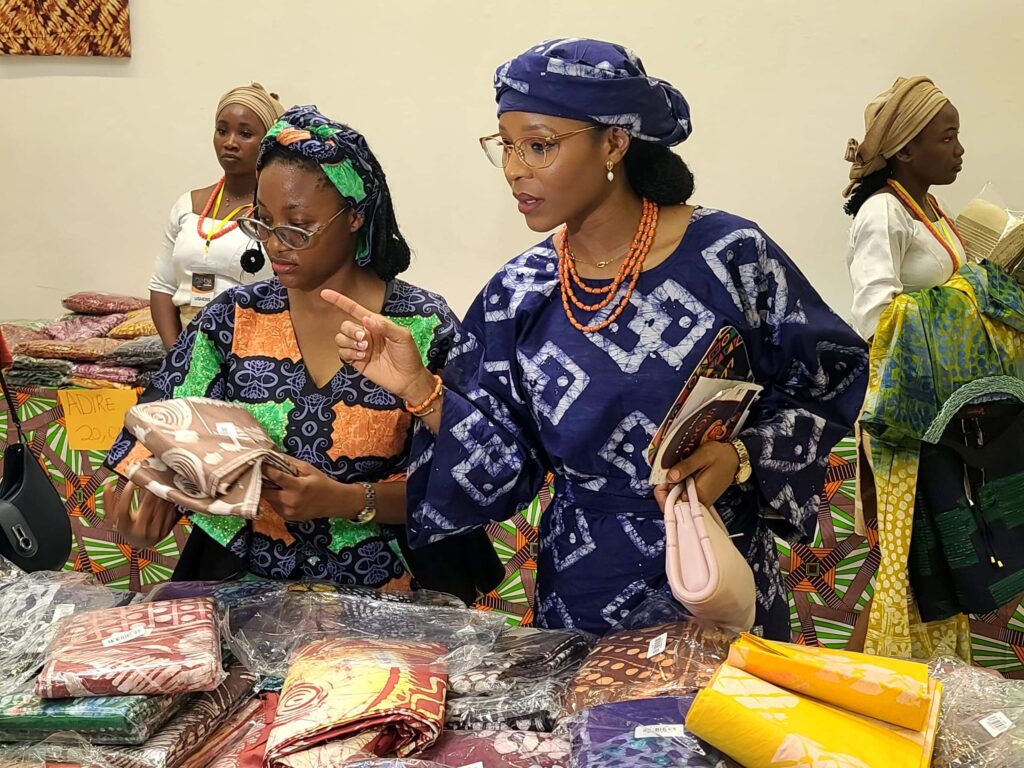
We want to continue to advocate for the growth of the creative and cultural economy. We want to be able to add value in preserving and obviously telling the right stories that matter. We believe in our tradition.We believe in data collection.
Advertisement
And for me, CBAAC needs to become a living, breathing archive, a bigger archive, one that the rest of the world can use to learn about Africa and our peoples.
What Steps Are You Taking To Achieve This?
I’ve already started repositioning CBAAC. It’s been two years in the making. We are digitizing everything. We are ensuring that there’s access to the archives.
It used to be very limited. You had to have been a member of an institution to be able to access the archive. Now it’s open to the general public.
But we are also hoping to have a Pan-African center, which we are already working on. We are also collecting and building more on the archive. People are donating their archives to us.
We’re also working on the road to FESTAG 77, which is FESTAG 77 at 50, which is coming up next year. And we’ve started stakeholder engagements across the world. And our hope is to be able to reconnect Africa and Africans in the diaspora.
We all know the world needs it. Right now, we’re too fragmented. And we hope to see an Africa, or at least be a voice, that reminds Africa of the importance of that unity.
AI Is A Major Topic Globally Today. Is CBAAC Exploring Its Potential, Or Do You See It As A Threat To Art?
No, we don’t see AI as a threat. The truth is, it’s still humans that make the prompts, right? So for us, we’re hoping that we can also be part of the people who are inserting what AI is learning.
Because our own history and culture has always been told to us from the perspective of others. And if we want to take on the AI revolution, it’s flying whether we like it or not, so we have to wake up and ensure that we’re learning.
Our directors and members of our team are actually going through AI training also. So we’re looking at how to ensure that we also are able to reenact stories from the past, visualize them, and tell them in ways that we couldn’t have before without a massive budget. And AI can help us do that.
What Opportunities Exist For Young Creatives Through CBAAC?
We have the Pan-African Indigenous Skills Development Programme (PAID). Right now, we have an initiative already running called “Roots and Roots”. And our hope is for the next batch to finish in July.
We’re also working on another one for the collection and data collection of interior and exterior architecture across Africa.
We’re hoping to build on the ecosystem by training young people in intellectual property. We’ve already started that in collaboration with the World Intellectual Property Organization, where we’re connecting with UNESCO, especially because we have a children’s library. So our hope is to start young.
With technical support from the World Bank, we’re also working on early childhood development, where we actually target the family unit on a long-term approach. And the idea is to have young people creating with the family in mind, creating with the mind of zero to five-year-olds in mind. And we’re working hard to ensure that we’re also being able to get the investors that would support them in that growth through our PAID programme.