Iran Keeps Crude Flowing To China Despite Rising Tensions
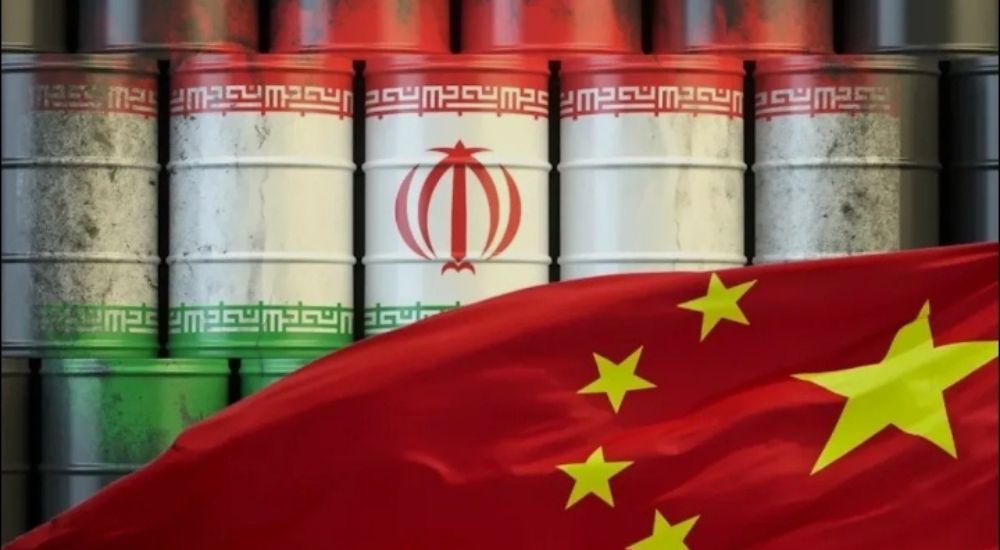
Iran has reportedly transported at least 11.7 million barrels of crude oil through the strategic Strait of Hormuz to China since the outbreak of the Middle East conflict on February 28, 2026, according to satellite-based tanker tracking data cited by CNBC and independent monitoring firms.
Despite ongoing hostilities, including U.S. and Israeli military strikes on Iranian territory and repeated Iranian threats to block maritime traffic, Iran has maintained a flow of crude exports, with China as the principal destination. Most tracked shipments were identified as heading to Chinese ports, reflecting Beijing’s continued role as Tehran’s largest oil buyer.
Maritime intelligence firms such as TankerTrackers and Kpler report that multiple tankers carrying Iranian crude have transited the Strait of Hormuz in recent days. Some vessels have “gone dark,” switching off automatic tracking systems, making precise counts and routing details harder to confirm.
An Investing.com analysis noted that a supertanker carrying around 2 million barrels of oil flagged in Guyana and linked to Iran recently passed through the strait bound for China, adding to shipments that collectively exceed 11 million barrels since the conflict began.
The Strait of Hormuz is a critical global energy corridor, normally handling about 20 percent of the world’s oil and LNG supplies. The current conflict has caused many international carriers to avoid the route due to risks of attacks and naval mines. This disruption has tightened global energy supply, contributing to market volatility, rising freight costs, and higher insurance premiums for tankers.
Advertisement
While Iran continues exporting crude to China, other Asian refiners face increasing challenges as Middle Eastern exporters like Saudi Arabia, Kuwait, and Iraq scale back shipments amid conflict risks. The movement of over 11 million barrels of Iranian oil since February underscores China’s reliance on Middle Eastern crude even amid escalating geopolitical tensions.