
Iran, U.S. Receive 45-Day Ceasefire Proposal Ahead Of Trump Deadline
Iran and the United States have received a draft proposal from regional mediators calling for a 45-day ceasefire and the reopening of the Strait of Hormuz, as fresh U.S.-Israeli airstrikes killed several people in Iran including a senior Revolutionary Guard intelligence chief and Tehran responded with missile fire toward Israel and Gulf Arab neighbors.
The proposal, circulated late Sunday night, aims to halt the fighting that erupted on February 28 with U.S.-Israeli strikes on Iran and create space for negotiations toward a permanent end to the war, two Mideast officials told The Associated Press.
It was sent to Iranian Foreign Minister Abbas Araghchi and U.S. Mideast envoy Steve Witkoff. Neither side has publicly responded so far.
The officials spoke on condition of anonymity to discuss the sensitive diplomatic efforts.
Egyptian, Pakistani, and Turkish mediators are behind the initiative, hoping the temporary pause would allow time to address core issues, including safe passage through the vital Strait of Hormuz. a chokepoint for nearly 20% of global oil and LNG trade.
Advertisement
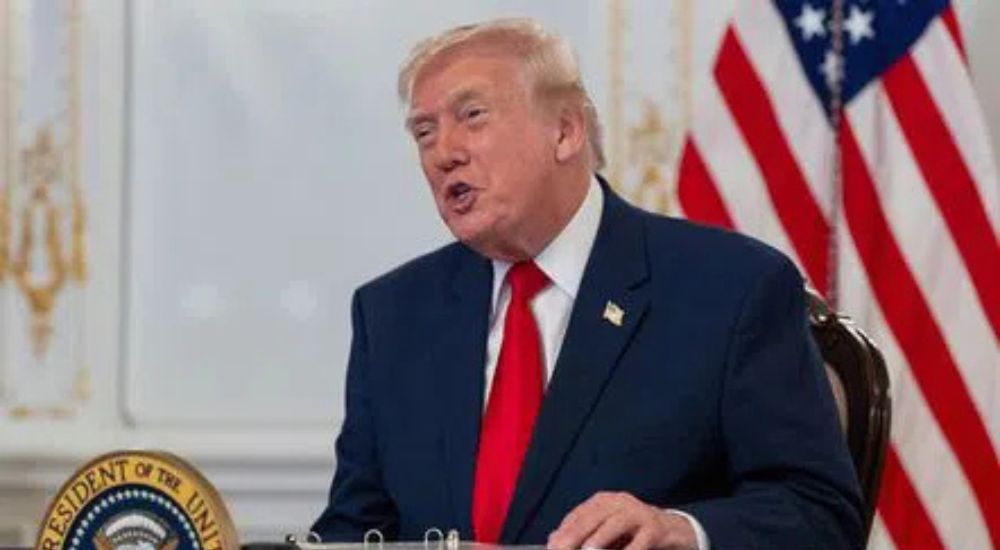
The diplomatic push comes as U.S. President Donald Trump’s latest deadline for Iran to reopen the strait looms. In an expletive-laden social media post on Easter Sunday, Trump threatened to target Iranian power plants and bridges if the waterway is not fully opened, declaring
“Tuesday will be Power Plant Day, and Bridge Day, all wrapped up in one.” He later clarified a deadline of 8:00 p.m. Eastern Time on Tuesday (April 7), appearing to extend an earlier Monday night cutoff.
Trump has issued multiple shifting deadlines on the strait since March, at times linking compliance to avoiding major escalation while also suggesting the conflict could wind down without it.
Iran has shown no signs of backing down, maintaining a near-stranglehold on commercial shipping.
Traffic through the strait is down more than 90% compared to last year, with Iran allowing selective passage but blocking vessels linked to the U.S., Israel, or their perceived allies.
Advertisement
European Council President António Costa urged restraint, stating that targeting civilian infrastructure like energy facilities is “illegal and unacceptable” and that “escalation will not achieve a ceasefire and peace, only negotiations will.”
Brent crude oil, the international benchmark, rose to around $109 per barrel in early Monday trading roughly 50% higher than when the conflict started, reflecting fears of prolonged disruptions to energy supplies.
Qatar, a major LNG exporter, has already faced production halts and force majeure declarations at Ras Laffan due to earlier strikes and shipping risks.
Iranian parliamentary Speaker Mohammad Bagher Qalibaf condemned Trump’s threats as “reckless,” warning that “you won’t gain anything through war crimes” and calling for respect for Iranian rights.
The situation remains highly fluid. Mediators, including Egyptian Foreign Minister Badr Abdelatty, remain in contact with both sides as the Tuesday night deadline approaches.