
Kaduna Launches Committee To Disarm, Rehabilitate Bandits
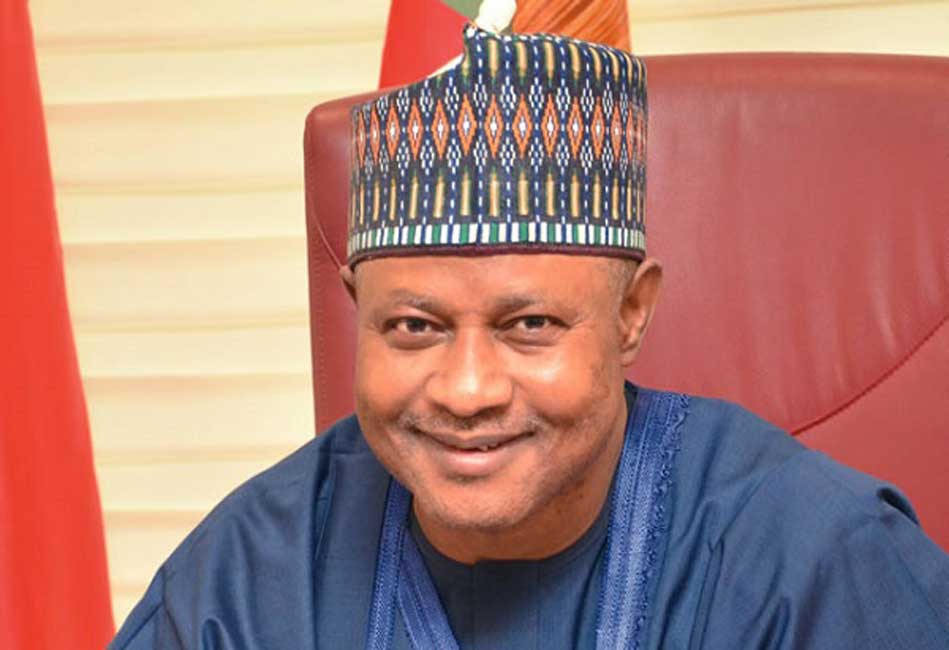
Kaduna State Governor Uba Sani on Monday inaugurated the State Disarmament, Demobilisation and Reintegration, Peace and Security Committee, making Kaduna the first subnational government in Nigeria to establish such a body, in what officials described as a landmark step toward sustainable peace.
The initiative, facilitated by the Office of the National Security Adviser and the National Counter Terrorism Centre, was inaugurated in a ceremony where Sani pledged that his administration would provide the necessary political will to ensure the committee succeeds.
The governor recalled that Kaduna had only recently emerged from a period of acute insecurity in which bandits, kidnappers and other criminal elements controlled vast stretches of the state, turning highways into corridors of fear and crippling economic activity, particularly along the Kaduna–Abuja corridor and the Birnin Gwari axis.
He said his administration responded by adopting what he described as the “Kaduna Peace Model” — a multi-dimensional strategy combining robust security operations with deliberate investments in dialogue, community engagement, and socio-economic interventions targeting poverty, exclusion and lack of educational and economic opportunities.
Sani said the use of force alone could not guarantee lasting peace, framing dialogue not as a concession but as a strategic instrument of stability.
He noted that engagement with community leaders, traditional institutions and repentant actors had helped rebuild trust, and said travellers now move with confidence along previously dangerous routes while economic activity has been restored.
Advertisement
The Director of Preventing and Countering Violent Extremism at the National Counter Terrorism Centre, Ambassador Abimbola Wonosikou, described the inauguration as a critical milestone.
She disclosed that the Centre, working with the United Kingdom’s Strengthening Peace and Resilience in Nigeria programme, had conducted consultations across all six geopolitical zones to develop a coordinated national DDR framework, with state-level committees recommended as the primary implementation units.
Technical Adviser on National DDR Framework Development Paul Nyulaku, who commended the governor’s reconciliatory efforts and noted their national recognition in bridging ethnic and religious divides, said the framework consists of 17 pillars, including political dialogue and negotiation, and is currently awaiting federal approval.
He assured that technical support would be provided to Kaduna’s committee to ensure it delivers on its mandate.
Kaduna has for years ranked among Nigeria’s most volatile states, with banditry, kidnapping and communal violence concentrated in flashpoints such as Birnin Gwari, Igabi and parts of Chikun Local Government Areas.
Advertisement
Security experts say the domestication of the DDR framework at state level could serve as a replicable model for other states confronting similar challenges.