
Senegal Approves Law Doubling Punishment For Same-Sex Relations
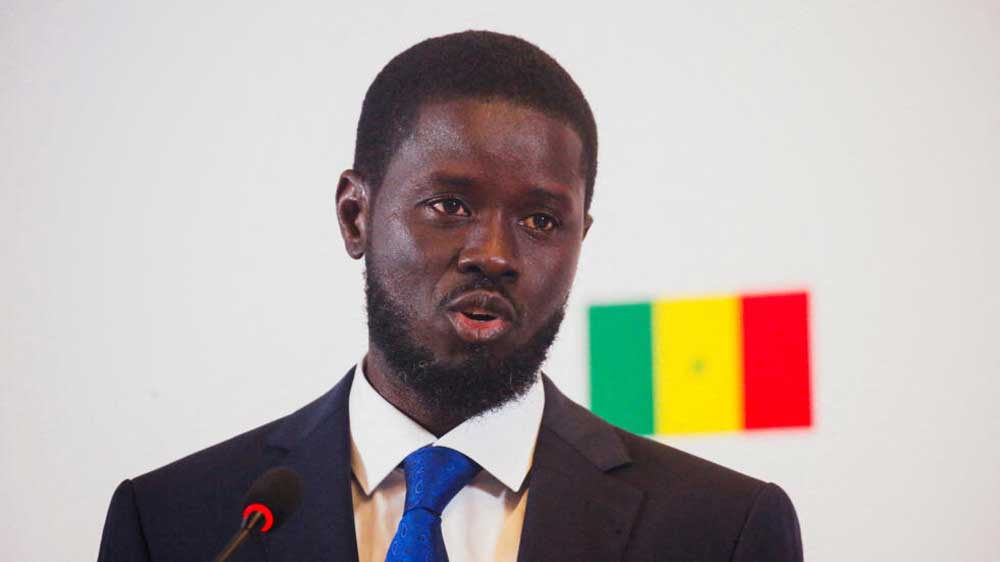
Senegalese President Bassirou Diomaye Faye has signed into law legislation that doubles the maximum prison sentence for same-sex relations, making such acts punishable by up to ten years in prison.
The law, passed by a large majority in the National Assembly, also criminalises the promotion or financing of same-sex relationships.
The legislation, which appeared in the official journal on Tuesday, imposes penalties of five to ten years’ imprisonment for what it terms “acts against nature,” a reference to same-sex relations, up from the previous one to five years. It also provides for three to seven years in prison for individuals found guilty of promoting or financing these relationships.
UN rights chief Volker Turk described the new law as “deeply worrying,” warning that it “flies in the face of the sacrosanct human rights.”
Reports indicate that dozens of men have been detained under existing anti-LGBTQ laws since February, including two local celebrities, often following accusations and phone searches. The new legislation also punishes anyone who accuses another of same-sex offences without proof.
Parliament approved the bill by a vote of 135 in favour, none against, and three abstentions on March 11. The law imposes harsher sentences if offences are committed with a minor and includes fines ranging from two million to ten million CFA francs ($3,500 to $17,600), up from the previous 100,000 to 1.5 million CFA francs.
Advertisement
LGBTQ advocacy group ILGA World had urged President Faye not to sign the legislation, calling for respect for “individual liberty and the human person.”
Senegal, a Muslim-majority country in West Africa, has seen ongoing debate over LGBTQ issues, with advocacy often criticised as promoting foreign values. Religious organisations have staged demonstrations calling for stricter penalties.
The bill was introduced to parliament by Ousmane Sonko, Senegal’s prime minister since 2024, who had previously pledged to criminalise same-sex relations more strictly.
While the law maintains the classification of same-sex relations as a misdemeanour, it notably increases penalties for offenders.
Senegal’s move comes amid a broader trend in parts of West Africa, where some countries, such as Burkina Faso, have recently expanded legal penalties for consensual same-sex acts.
Advertisement