
Trump Warns Iran To Open Hormuz Or Get ‘Hit Very Hard’
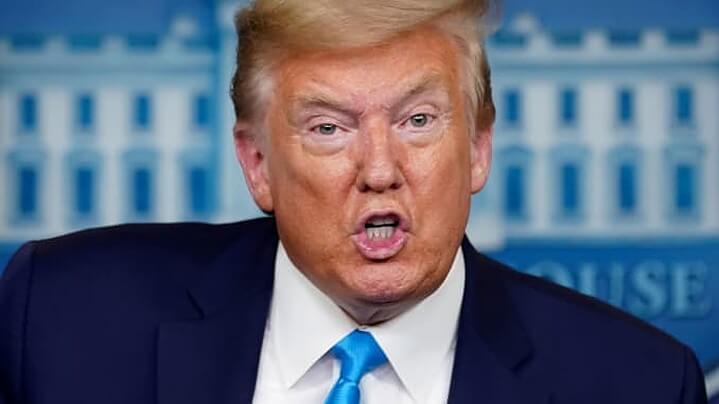
United States President Donald Trump has warned Iran it will be “hit very hard” unless the Strait of Hormuz is reopened “very soon,” while insisting that talks between the two sides were ongoing despite Tehran flatly denying any direct negotiations were taking place.
Speaking in an interview with Fox News on Tuesday during a visit to California, Trump said he preferred a diplomatic resolution but left no doubt about the consequences of failure.
“The strait is going to be open very soon, or they are going to get hit very hard, and then the strait’s going to be open,” he said.
“If they back out again, they are going to get hit really hard. They know that. They understand that. I have no choice.”
Trump also described the planned military operation as extensive and still on the table despite his decision to pause it over the weekend.
“It’s very tough to do what we have planned, still planned. We’ll see what happens,” he said, adding that he was “very proud” of giving Iran a chance to negotiate before launching what he suggested would be a large-scale assault.
Advertisement
“We hit them very, very hard. But the hard hit is yet to come, and hopefully we won’t have to use it.”
The president simultaneously accused Iran of duplicity for publicly denying it was in talks with Washington.
“Whether Iran wants to admit it or not, we are, in fact, talking of a solution to a problem that they have caused for decades,” Trump wrote on Truth Social, adding that nothing would move in or out of Iran without American approval.
“Nothing gets through to Iran, unless we want it to, and nothing will get through, unless a Deal, or Total Surrender, is accomplished.”
Iran’s Foreign Ministry flatly rejected Trump’s characterisation. Spokesperson Esmaeil Baghaei said Tehran was not holding direct discussions with the United States and was only engaged in talks with Oman regarding a temporary safe route through the strait.
Advertisement
The diplomatic confusion was underscored when another cargo vessel was attacked near the strait’s Omani coast on Tuesday, with the United Kingdom Maritime Trade Operations Centre reporting the incident.
Treasury Secretary Scott Bessent had earlier told CNBC that a deal to reopen the strait could come as early as Tuesday or Wednesday, saying there were “hundreds if not 1,000 ships sitting in there waiting to go out,” including tankers carrying oil, fertiliser, refined products and industrial gases.
“We could see a big relief trade as those prices go down,” Bessent said. Oil markets remained volatile, with Brent crude rising 2.7 per cent on Tuesday, reflecting market uncertainty rather than any confidence in the diplomatic process.
Axios separately reported that the United States, Iran and Oman were nearing an interim deal to reopen the strait, which Washington had been hoping to announce on Wednesday.