
WHO Upgrades Ebola Risk To ‘Very High’ In DRC Outbreak
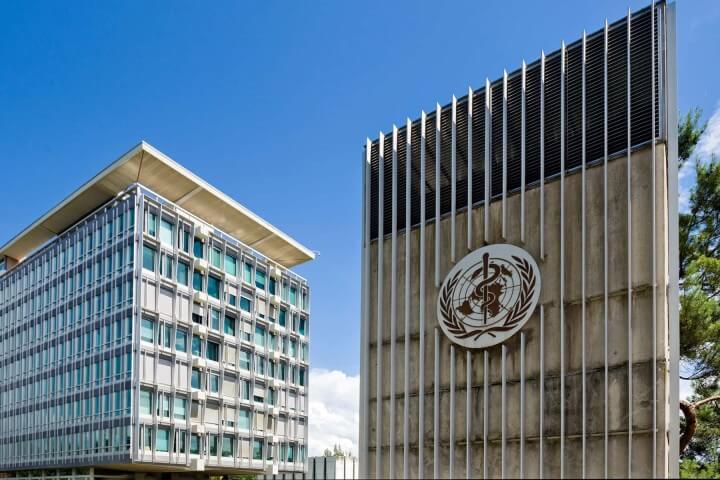
The World Health Organisation (WHO) has raised the national risk level of the ongoing Ebola outbreak in the Democratic Republic of the Congo (DRC) to “very high” due to rapid spread, insecurity, and limited medical countermeasures for the Bundibugyo virus strain.
In a media briefing on Friday, May 22, 2026, WHO Director-General Dr. Tedros Adhanom Ghebreyesus warned that the situation is deteriorating amid violence, displacement, and community challenges in the affected provinces.
Dr. Tedros stated that the outbreak is spreading rapidly, noting the risk assessment was upgraded to very high at the national level, high at the regional level, and low globally.
In the DRC, 82 confirmed cases and 7 confirmed deaths have been reported so far, with nearly 750 suspected cases and 177 suspected deaths, and numbers expected to rise as surveillance strengthens.
The outbreak is concentrated in insecure areas of Ituri and North Kivu provinces, where attacks on health facilities and displacement of millions complicate response efforts.
In neighbouring Uganda, two confirmed imported cases and one death have been recorded, but the situation remains stable with no new cases, aided by contact tracing and event cancellations.
Advertisement
Internationally, an American national who tested positive in DRC has been transferred to Germany, while a high-risk American contact was moved to the Czech Republic, with WHO coordinating cross-border responses.
Dr. Tedros highlighted the unique challenges of this Bundibugyo strain, which has no approved vaccines or therapeutics unlike previous Zaire ebolavirus outbreaks, noting that only two prior outbreaks of this strain have been recorded.
WHO has convened partners to accelerate research and development, prioritizing monoclonal antibodies and the antiviral obeldesivir for clinical trials.
Response measures include deployment of 22 international WHO staff, release of $3.9m from the WHO Contingency Fund, and $60m in UN humanitarian support.
A joint Strategic Preparedness and Response Plan with Africa CDC and other partners is underway, focusing on treatment centres, contact tracing, and risk communication.
Advertisement
The briefing, which also covered outcomes from the 79th World Health Assembly and broader global health issues, underscored the need for stronger international cooperation to address insecurity while maintaining essential health services and building community trust.
This development comes as African health authorities remain vigilant against cross-border spread, with Nigeria and other regional countries often at risk from such outbreaks due to travel and trade links.