
2027: Hayatu-Deen Canvasses Consensus For ADC Ahead Of INEC Deadline
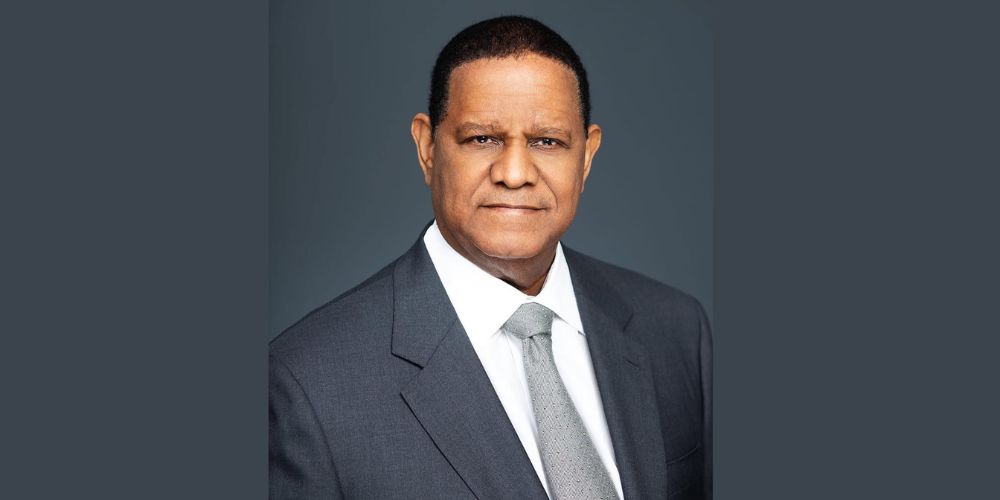
A presidential aspirant of the African Democratic Congress (ADC), Dr. Mohammed Hayatu-Deen, has called on the party’s leadership to adopt a consensus option in selecting its candidate for the 2027 general election, citing time constraints and cost implications.
Hayatu-Deen, a recent entrant into the race, made the appeal on Thursday while addressing journalists in Abuja, against the backdrop of the May 30, 2026 deadline set by the Independent National Electoral Commission (INEC) for political parties to submit their presidential candidates.
His position comes days after former Vice President Atiku Abubakar, also an aspirant on the ADC platform, suggested that the party should conduct primaries if efforts to reach a consensus fail.
However, Hayatu-Deen argued that the party “does not have the luxury of time” to organise primaries within the stipulated timeframe, urging stakeholders to embrace a unified approach.
“I plead that this time around, we should allow the party leadership to decide how our candidate will emerge. There should be a consensus, and we must all support whoever gets the ticket,” he said.
Advertisement
The economist and banker assured that he would abide by the decision of the party and support whoever emerges as its flag bearer, while also urging other aspirants to do the same in the interest of party cohesion.
He further warned that direct primaries, the only alternative option available under the amended Electoral Act, could impose a significant financial burden on contestants.
Drawing from his experience as a former presidential aspirant under the Peoples Democratic Party (PDP) in 2022, Hayatu-Deen criticised what he described as the monetisation of the process.
“In the run-up to the 2023 election, aspirants traversed the country selling themselves to delegates ahead of indirect primaries. The process was financially draining, almost as expensive as running a full presidential campaign. In the end, the highest spender secured the ticket,” he said.
On leadership, Hayatu-Deen stressed the need for empathy and a deep understanding of citizens’ struggles, noting that effective governance must reflect the realities of the people.
Advertisement
“Every morning when I wake up and look at myself in the mirror, what I see are millions of Nigerians living below the poverty line, people who are terrified, in real hardship, and have lost hope,” he said.
He added, “A leader must be able to absorb the pains and suffering of the people. When you see the daily struggle, people fighting to board overcrowded buses, you begin to understand the depth of the challenge.”
According to him, Nigeria requires a leader capable of building consensus and crafting solutions tailored to the country’s unique circumstances.
“I will be an empathetic leader, constantly measuring the pulse of the majority, and working to build an egalitarian society where the needs of the people are reconciled,” he said.
Hayatu-Deen, however, acknowledged that limited resources would make it impossible to address all challenges at once, noting that leadership should prioritise delivering “the greatest good for the greatest number.”