
AfDB Warns Prolonged Crisis Could Undermine Africa’s Growth
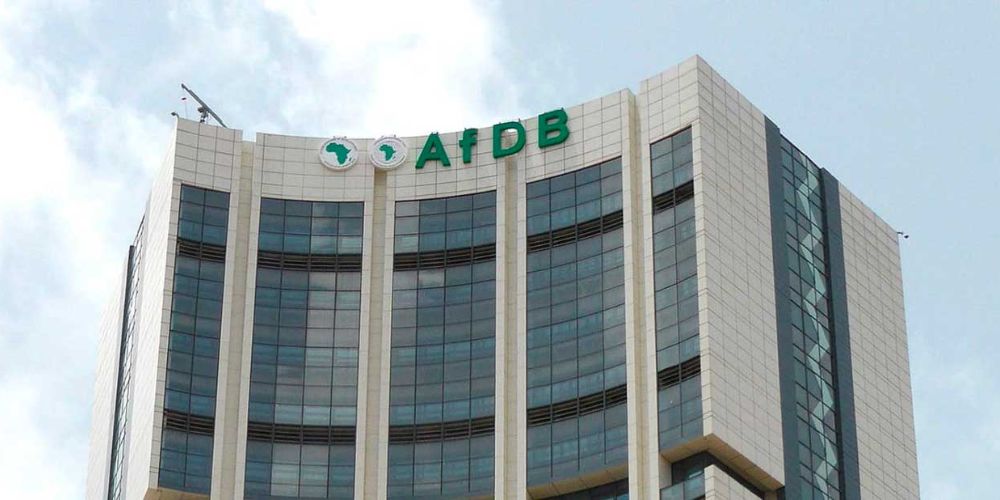
Africa’s economic growth is projected to moderate to 4.2 per cent in 2026 from 4.4 per cent recorded in 2025 as escalating geopolitical tensions in the Middle East drive up energy, food and fertilizer costs, according to the latest economic outlook released by the African Development Bank (AfDB).
The continental lender, however, expects growth to rebound to 4.4 per cent in 2027, provided that the current disruptions to global supply chains and commodity markets are short-lived and do not intensify beyond the next few months.
The forecast was contained in the AfDB’s annual economic outlook report unveiled on Tuesday during the bank’s Annual Meetings in Brazzaville, Republic of the Congo.
The report highlights mounting external risks facing African economies despite the continent’s resilience amid global uncertainty.
According to the AfDB, Africa remained one of the fastest-growing regions in the world in 2025, alongside Asia, outperforming both Europe and Latin America despite persistent trade tensions, geopolitical conflicts and economic volatility across major global markets.
The bank noted that economic growth last year was largely supported by stronger agricultural output, improved macroeconomic management in several countries, and favourable commodity prices, which helped cushion the impact of global headwinds.
Advertisement
However, the outlook for 2026 has become more challenging as renewed tensions in the Middle East threaten to increase transportation costs, disrupt supply chains and push up prices of critical imports, including fuel, food and fertilizers.
“The impact of this shock on growth and macroeconomic stability will depend on the duration of the supply chain disruptions and their effects on global energy and fertilizer prices,” the report stated.
The AfDB warned that a prolonged crisis could significantly weaken growth prospects across the continent, particularly in countries heavily dependent on imported energy and food products. Rising inflationary pressures could also erode household incomes, increase fiscal strains and undermine efforts to maintain macroeconomic stability.
East Africa, currently Africa’s fastest-growing sub-region, is expected to experience one of the sharpest slowdowns this year.
The bank attributed the projected decline to higher energy and import costs, as well as growing concerns over food security arising from elevated commodity prices.
Advertisement
The report comes at a critical time as African policymakers intensify efforts to mobilise domestic resources and strengthen economic resilience against external shocks.
Discussions at the AfDB Annual Meetings have focused heavily on innovative financing mechanisms and strategies for unlocking regional capital pools to address the continent’s vast infrastructure and development financing needs.
Concerns over a recent Ebola outbreak in neighbouring Democratic Republic of the Congo had initially cast uncertainty over attendance at the Brazzaville meetings.
However, AfDB officials and the Congolese government reassured delegates that no Ebola cases had been reported in the Republic of the Congo and that health surveillance measures were being implemented in accordance with guidelines issued.
The bank’s President, , who assumed office in September last year, reiterated the need for Africa to rely more on its own financial resources to drive development as international aid flows continue to decline.
Tah has made domestic resource mobilisation a central pillar of his administration through the New African Financing Architecture for Development (NAFAD), an initiative aimed at leveraging Africa’s substantial savings and capital pools to finance economic transformation across the continent.
Advertisement
“Achieving sustained and inclusive growth will require a substantial increase in investment,” Tah said.
He stressed that while the continent’s current growth trajectory remains positive, Africa must raise and sustain annual economic growth above seven per cent for several decades to generate sufficient employment opportunities for its rapidly expanding population and significantly reduce poverty levels.
Analysts say the AfDB’s latest projections underscore both the resilience and vulnerability of African economies, with the continent continuing to outperform many regions globally while remaining highly exposed to external geopolitical and commodity market shocks.
Sustaining growth, they note, will depend on accelerating structural reforms, deepening regional trade integration, expanding infrastructure investment and strengthening domestic sources of development finance.