Digital Payments Must Not Threaten Financial Stability, Says Cardoso
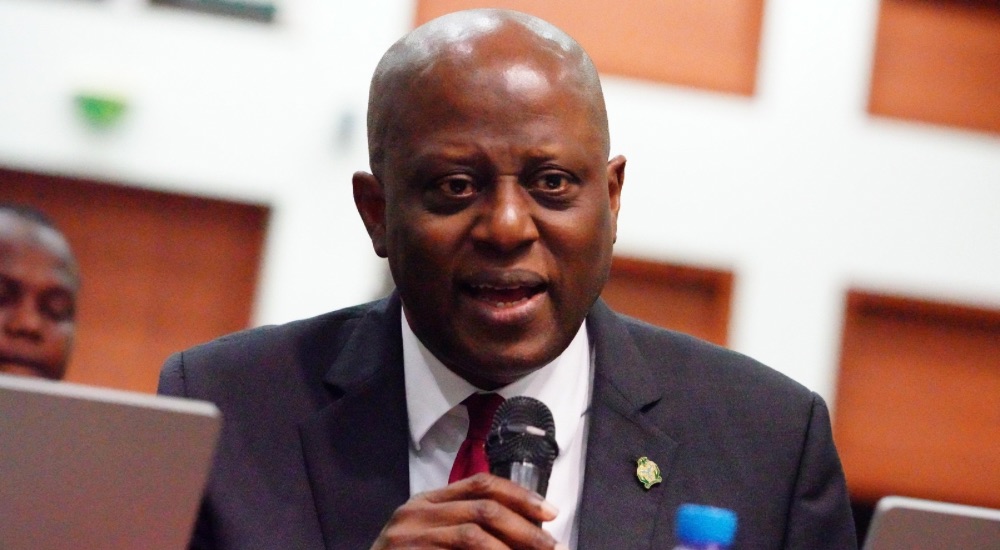
Governor of the Central Bank of Nigeria, Olayemi Cardoso, has cautioned that while digital innovation is transforming the global financial system, it must be carefully managed to ensure that it does not undermine financial stability.
Cardoso gave the warning during discussions at the Intergovernmental Group of Twenty-Four on International Monetary Affairs and Development (G-24) Technical Group meetings held in Abuja, where policymakers examined reforms aimed at improving cross-border payment systems and promoting inclusive economic growth.
He noted that despite rapid technological advances in the payments ecosystem, several structural barriers continue to limit the participation of households and small and medium-sized enterprises (SMEs) in cross-border financial transactions.
According to him, high remittance costs, delays in settlement, fragmented payment systems, and stringent compliance requirements remain major obstacles in the global payments architecture.
Cardoso explained that digital innovations have the potential to address many of these inefficiencies by making cross-border payments faster, cheaper, and more accessible.
However, he warned that the adoption of new technologies also comes with emerging risks that regulators must address proactively.
Advertisement
“These innovations offer solutions, but they also introduce risks ranging from currency substitution and foreign exchange volatility to regulatory arbitrage,” he said.
The CBN governor said Nigeria has taken steps to strengthen its regulatory framework to address these risks while encouraging responsible innovation in the financial sector.
He disclosed that the central bank has strengthened its anti-money laundering and counter-terrorism financing frameworks in line with standards set by the Financial Action Task Force (FATF).
Cardoso also revealed that simplified Know-Your-Customer (KYC) requirements have been introduced for low-value cross-border transactions conducted through the Pan-African Payment and Settlement System (PAPSS), a platform designed to facilitate seamless payments across African countries.
In addition, he said the CBN has expanded its regulatory sandbox framework to allow fintech companies focused on payment solutions to test cross-border innovations under close regulatory supervision.
Advertisement
The sandbox initiative enables emerging financial technology firms to pilot new products in a controlled environment while regulators monitor potential risks and ensure compliance with financial regulations.
Cardoso stressed that Nigeria’s approach is to promote innovation without compromising the integrity and resilience of the financial system.
“Innovation must proceed, but never at the expense of stability,” he said.
The CBN governor also highlighted recent domestic monetary policy developments, noting that at its 304th meeting, the Monetary Policy Committee of the Central Bank of Nigeria reduced the monetary policy rate by 50 basis points to 26.5 per cent while maintaining other key parameters.
He explained that the decision reflected sustained disinflation, improving balance-of-payments conditions, and continued efforts to anchor inflation expectations.
Cardoso further noted that Nigeria’s external buffers have strengthened in recent months, while the ongoing banking sector recapitalisation programme is progressing in line with the timetable set by the apex bank.
Advertisement
According to him, the recapitalisation exercise has attracted strong domestic participation alongside growing interest from international investors.
He added that the process remains orderly and transparent, with robust supervisory oversight in place to safeguard depositor funds and maintain the resilience of the banking system.
Across its policy actions, Cardoso said the central bank remains focused on building credibility through consistent and prudent economic management.
“We will continue to act with prudence, strengthen supervision, support responsible innovation, and safeguard stability,” he said.