FG Pins Industrialization Hopes On Gas As Structural Hurdles Persist
Nigeria has once again placed natural gas at the centre of its economic growth strategy, positioning the resource as a bridge between persistent energy deficits and long-term industrial expansion, even as deep-rooted structural challenges continue to constrain delivery.
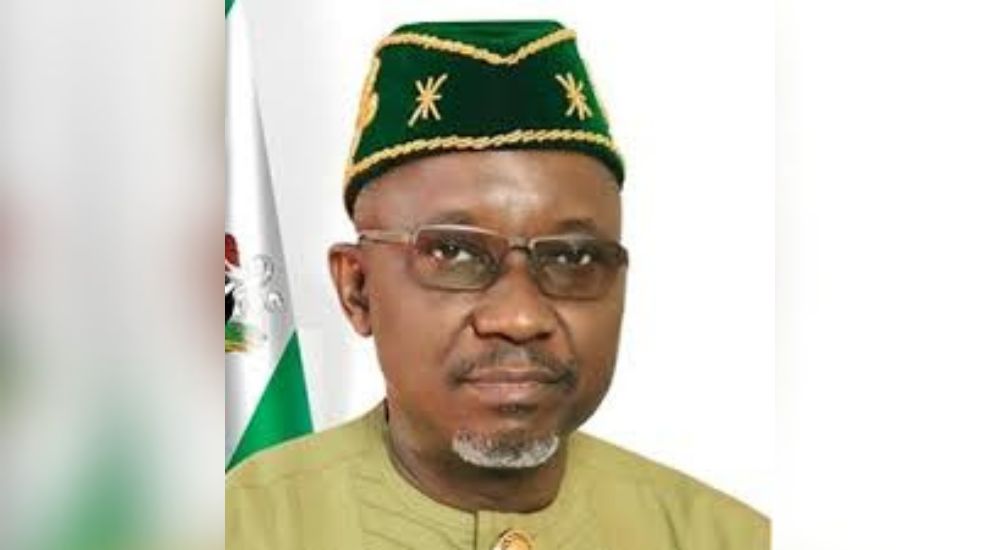
Speaking at the National Gas Day session of the 9th Nigeria International Energy Summit (NIES 2026), the Minister of State for Petroleum Resources (Gas), Rt. Hon. Ekperikpe Ekpo, described gas as the backbone of Nigeria’s energy transition and a critical enabler of power generation, industrialisation and economic stability.
He noted that with proven natural gas reserves of over 210 trillion cubic feet, the largest in Africa, Nigeria holds a strategic advantage in the global energy landscape.
However, Ekpo acknowledged that the true value of the country’s gas endowment would be measured not by reserve size but by its impact on electricity supply, job creation, foreign exchange earnings and improved living standards.
Nigeria currently relies on gas for more than 70 per cent of its on-grid electricity generation, yet power supply remains unreliable, underscoring the gap between resource potential and infrastructure performance.
Advertisement
To address longstanding bottlenecks, the minister highlighted recent policy and sectoral interventions, including the resolution of legacy gas-to-power debts, expansion of domestic liquefied petroleum gas (LPG) availability, and ongoing efforts to improve investor confidence through regulatory reforms under the Petroleum Industry Act (PIA).
He said these steps were designed to stabilise the domestic gas market and unlock new investments across the value chain.
Despite these measures, structural hurdles persist. Weak pipeline infrastructure, pricing disputes, financing constraints and coordination challenges between the gas and power sectors continue to limit the scale and speed of gas utilisation.
Experts at the event note that while Nigeria has articulated ambitious gas-led growth plans under the Decade of Gas initiative, execution has often lagged policy intent.
Ekpo also pointed to Nigeria’s broader industrial ambitions, including the development of gas-based industrial hubs, wider adoption of compressed natural gas (CNG) and LPG for transportation and households, and small-scale gas projects aimed at empowering local businesses and host communities.
Advertisement
According to him, these initiatives are meant to shift the economy from exporting raw gas to creating higher-value industrial outputs.
Beyond domestic considerations, the minister stressed Nigeria’s growing role in regional and global gas markets, citing energy diplomacy efforts and the country’s influence within international gas-exporting blocs.
He argued that Nigeria’s gas strategy could enhance regional energy security while supporting a more gradual and inclusive energy transition.
Still, industry stakeholders caution that sustaining investor interest will depend on resolving persistent structural issues, particularly around infrastructure development, cost-reflective pricing and regulatory consistency.
Without tangible improvements in power delivery and industrial output, critics argue that gas risks becoming another underutilised resource rather than the growth engine policymakers envision.