
India To Begin Largest Population Census
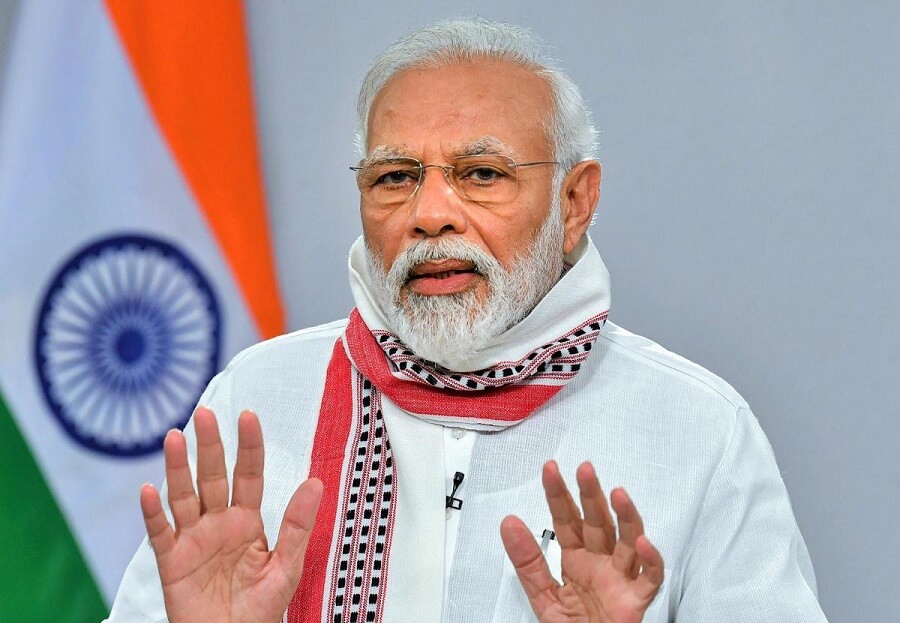
India is set to begin its long-delayed national census, with more than three million officials expected to take part in counting the country’s population over the next year.
The once-in-a-decade exercise, originally scheduled for 2021, was postponed due to the COVID-19 pandemic.
Authorities confirmed that the process will officially begin on April 1, starting with a limited window for citizens who wish to self-register online.
The census will then proceed in two main phases of physical, door-to-door enumeration. The first phase will focus on housing, documenting buildings and living conditions across the country.
The second phase will capture detailed information about individuals, including their social and economic status, according to Census Commissioner Mritunjay Kumar Narayan.
With a population exceeding 1.4 billion, India became the world’s most populous country in 2023, overtaking China, according to the United Nations.
Advertisement
Despite the scale, experts say the population size is not necessarily a concern, as the country’s relatively young workforce is seen as a potential economic advantage.
A key feature of the upcoming census is the inclusion of caste data, a sensitive but significant aspect of Indian society.
The caste system, which has existed for centuries, continues to influence politics, access to opportunities, and social structures.
Government officials say collecting such data will help improve targeted welfare programmes and ensure support reaches disadvantaged groups. However, critics argue that emphasising caste divisions could undermine efforts to promote national unity and modernisation.
India last collected caste data in 2011, marking the first such effort in decades, though the findings were not fully released amid concerns over accuracy.
Advertisement
Officials say the current census will be conducted digitally for the first time, with several datasets expected to be released soon after the exercise concludes next March.