
Iran-Linked Tankers Cross Hormuz Despite U.S. Naval Blockade
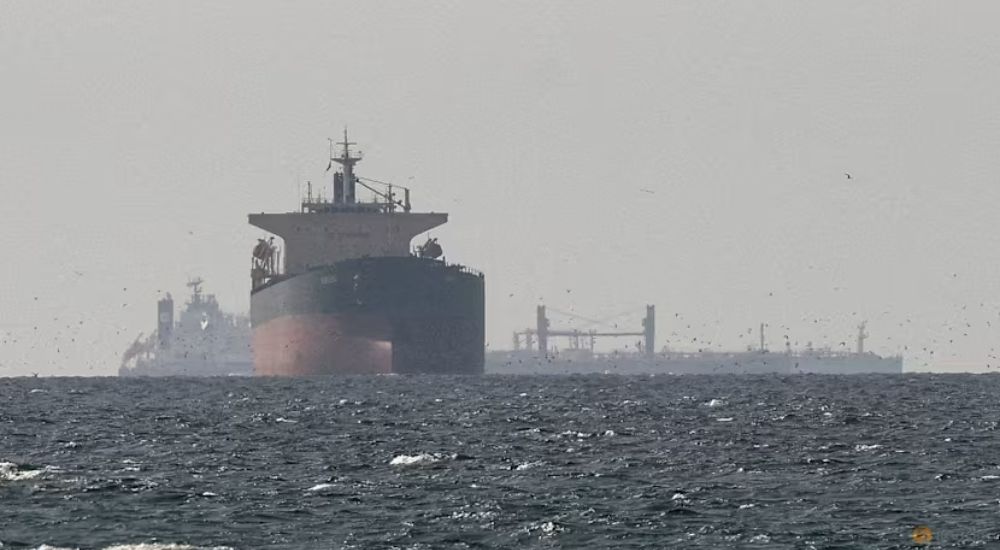
At least three vessels, including two U.S.-sanctioned tankers, entered the Gulf through the Strait of Hormuz on the first full day of the U.S. blockade on ships calling at Iranian ports, according to shipping data.
As the three vessels transiting the strait on Tuesday were not heading to Iranian ports, they were not affected by the blockade.
U.S. Central Command stated that the blockade targets vessels of all nations entering or departing Iranian ports and coastal areas, and that its forces will not impede freedom of navigation for vessels transiting to and from non-Iranian ports.
The Rich Starry was the first vessel to make it through the strait and exit the Gulf since the blockade began, according to data from LSEG, MarineTraffic, and Kpler. The tanker and its owner Shanghai Xuanrun Shipping were sanctioned by the U.S. for dealing with Iran.
Rich Starry is a medium-range tanker carrying about 250,000 barrels of methanol, which it loaded at its last port of call in Hamriyah, United Arab Emirates. The Chinese-owned tanker has Chinese crew on board.
Another U.S.-sanctioned tanker, Murlikishan, also headed into the strait on Tuesday, according to LSEG data. The empty handysize tanker is expected to load fuel oil in Iraq on April 16. Previously known as MKA, the vessel has a history of transporting both Russian and Iranian oil.
Advertisement
The Panama-flagged Peace Gulf, a medium-range tanker, is heading to Hamriyah port in the United Arab Emirates.
The vessel typically moves Iranian naphtha, a petrochemical feedstock, to other non-Iranian ports in the Middle East for export to Asia, according to Kpler data.
On Monday, another sanctioned vessel, the Elpis, registered in Comoros, also passed through the strait. It was sanctioned by the United States in 2025 for its involvement in the sale, purchase, and transportation of Iranian petroleum as part of Iran’s shadow fleet.
The blockade is the latest development in an ongoing armed conflict. Shipping traffic through the Strait of Hormuz has been largely blocked by Iran since February 28, 2026, when the United States and Israel launched an air war against Iran and killed Supreme Leader Ali Khamenei.
In retaliation, Iran launched missile and drone attacks on Israel, U.S. military bases, and U.S.-allied Gulf states. The IRGC issued warnings forbidding passage through the strait and has reportedly laid sea mines in the waterway.
Advertisement
The U.S. military said the blockade began on Monday, April 13, 2026, at 10 a.m. ET, following the failure of the Islamabad talks to end the conflict.
U.S. Vice President JD Vance said Iran had engaged in “economic terrorism” against the entire world by threatening ships in the Strait of Hormuz, and argued the blockade was a necessary reciprocal measure.
He said the ball is in Tehran’s court regarding further diplomatic engagement.
During the 40-day war, Iran earned approximately $9 billion from crude exports. The blockade is expected to cost Iran around $150 million per day in oil revenue.
Oil prices fell on Tuesday, trading below $100 a barrel, as investors showed cautious optimism about ongoing talks. U.S. officials confirmed the two sides are still communicating and are discussing arrangements for a potential second in-person meeting.
China’s Foreign Ministry described the U.S. blockade of Iranian ports as dangerous and irresponsible, warning it would deepen the conflict and jeopardise the safety of navigation through the strait.
Advertisement
British Prime Minister Keir Starmer said world leaders would meet that week to push for a reopening of the Strait of Hormuz, stating it must reopen with no conditions and no tolls.