
Iran Strikes Tel Aviv With Cluster Missiles Following Larijani’s Assassination
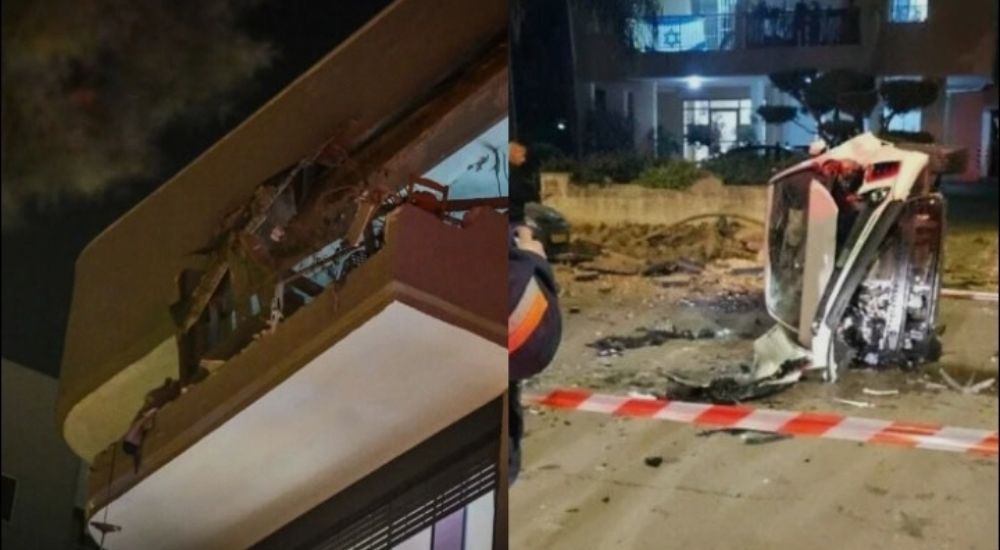
Iran launched a series of missile strikes on Tel Aviv using cluster warheads, killing two people, in retaliation for Israel’s assassination of senior security official Ali Larijani.
Iranian authorities said the attacks targeted both densely populated neighborhoods and sites near key military facilities.
Iran’s Foreign Minister Abbas Araqchi emphasized that the deaths of Larijani and other top officials would not weaken the country’s governance.
In an interview broadcast on Iranian state media, he described the Islamic Republic’s political system as resilient and not dependent on any single individual.
Araqchi added that replacements had been swiftly appointed, underscoring Iran’s determination to maintain continuity despite the attacks.
Advertisement
The missiles reportedly included Khorramshahr 4 and Qadr models, both capable of carrying multiple warheads. Israeli authorities noted that cluster munitions are particularly difficult to intercept because they disperse numerous explosives over wide areas.
The strikes brought Israel’s death toll from the conflict with Iran to at least 14.
The escalation coincides with statements from Iran’s newly appointed supreme leader, Mojtaba Khamenei, who rejected proposals for reducing tensions or arranging a ceasefire with the United States.
According to a senior Iranian official, Khamenei told foreign-policy advisors that it was not “the right time for peace” until Israel and the United States accept defeat and offer compensation.
In addition to the Tel Aviv attacks, the Israel Defense Forces reported carrying out strikes on key Iranian facilities in Tehran.
Advertisement
These included the headquarters of the IRGC security unit responsible for suppressing domestic unrest, as well as a maintenance center linked to Iran’s internal security apparatus.
A projectile also landed near the Bushehr nuclear power plant, though Iranian authorities confirmed there were no casualties or damage.
The International Atomic Energy Agency (IAEA) chief Rafael Grossi has called on all parties to exercise maximum caution to prevent a potential nuclear accident amid ongoing hostilities.
Iran has also executed Kurosh Keyvani, convicted of providing intelligence to Israel’s Mossad, highlighting the heightened security concerns fueling tensions.
The Tel Aviv strike, in retaliation for Larijani’s assassination, is the latest in a series of exchanges that show little sign of de-escalation, even three weeks after the initial attacks began.