Israeli Officials Say U.S. Was Informed Of South Pars Strike
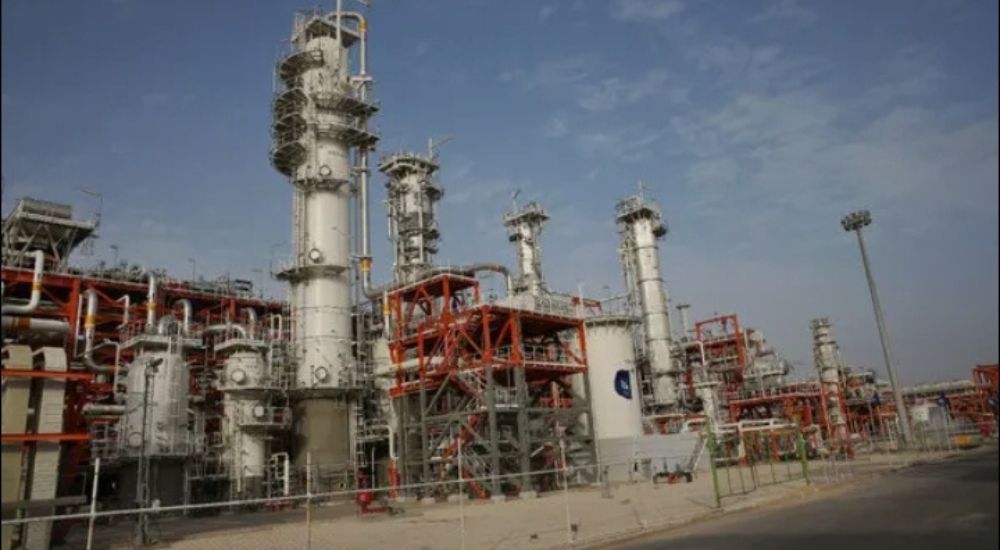
A sharp public disagreement has emerged between U.S. President Donald Trump and Israeli officials over an Israeli airstrike on Iran’s massive South Pars natural gas field, which escalated the ongoing U.S.-Israeli war against Iran and sent global energy prices surging.
The strike, carried out on Wednesday, March 18, targeted facilities at South Pars, the world’s largest natural gas reserve shared between Iran and Qatar, causing fires and damage to processing infrastructure. Iran retaliated swiftly, launching missile and drone attacks on energy sites across the Gulf, including Qatar’s Ras Laffan LNG hub, Saudi oil refineries, UAE facilities, and targets in Kuwait.
In a Truth Social post late Wednesday, President Trump distanced the United States from the attack, stating that Washington “knew nothing about this particular attack” and that Qatar was not involved. He described Israel as having “violently lashed out” in anger over regional events, hit only a “relatively small section” of the field, and vowed that “NO MORE ATTACKS WILL BE MADE BY ISRAEL” on South Pars unless Iran strikes Qatar again.
In that case, Trump warned, the U.S. would “massively blow up the entirety of the South Pars Gas Field” with unprecedented force.
On Thursday, however, three Israeli officials briefed on the operation told reporters, that the United States was informed in advance and the strike was coordinated with the Trump administration.
Advertisement
They described the operation as unlikely to be repeated and said Israel was not surprised by Trump’s public distancing.
Trump, speaking to reporters in the Oval Office during a meeting with Japan’s Prime Minister, reiterated coordination with Israel while saying he had cautioned Prime Minister Benjamin Netanyahu against repeating such strikes on energy infrastructure. “We’re coordinated,” he said, adding, “but on occasion he’ll do something. And if I don’t like it… we’re not doing that anymore.”
Israeli Prime Minister Netanyahu, in a later press conference, confirmed Israel acted alone in the bombing but said at Trump’s request Israel would hold off on future attacks on the Iranian gas field.
The South Pars strike marks a significant escalation in the conflict that began with joint U.S.-Israeli operations in late February. Targeting Iran’s primary energy lifeline threatens its economy and domestic supply, while Iran’s reprisals on Gulf allies risk drawing more countries into the conflict.
Gulf states, including Qatar and Saudi Arabia, have condemned the attacks and sought explanations from Washington.
Advertisement
Details of the coordination and any behind-the-scenes agreements between the U.S. and Israel remain unclear as the situation continues to evolve.