
Nigeria, Morocco Set To Sign $25bn Gas Pipeline Deal
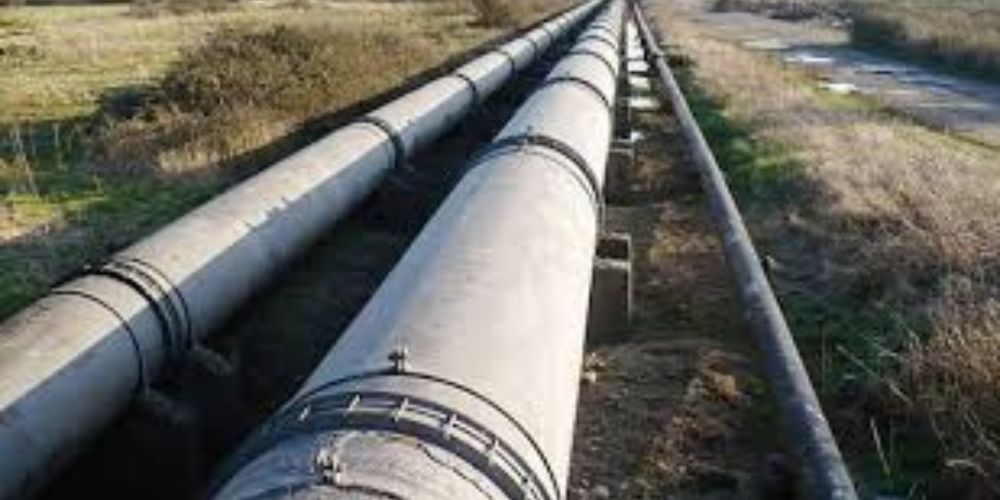
Nigeria and Morocco are expected to sign a major intergovernmental agreement this year for the ambitious $25 billion Nigeria-Morocco gas pipeline project, also known as the African Atlantic Gas Pipeline.
Amina Benkhadra, Director General of Morocco’s National Office of Hydrocarbons and Mines (ONHYM), made the disclosure in an interview with Reuters.
The project, which was conceived about a decade ago, involves constructing a 6,900-kilometre hybrid offshore-onshore pipeline that will transport Nigerian gas through 13 West African countries before reaching Morocco and eventually supporting exports to Europe.
According to Benkhadra, once the intergovernmental agreement is signed, a high authority will be established in Nigeria.
This body will bring together ministerial representatives from all the participating countries to provide the necessary political and regulatory coordination for the entire project.
She further revealed that a dedicated project company will be created in Morocco as a joint venture between ONHYM and the Nigerian National Petroleum Company Limited.
Advertisement
This entity will be responsible for leading the execution, financing, and construction phases of the pipeline.
The pipeline is designed with a maximum annual capacity of 30 billion cubic metres of gas, out of which 15 billion cubic metres will be allocated to meet Morocco’s domestic needs while the remainder will help facilitate exports to European markets.
Feasibility studies and front-end engineering design for the project have already been completed, although final financing arrangements are yet to be secured.
Benkhadra explained that the project will be implemented in phases, with each segment developed as a standalone system.
This approach is intended to allow for early delivery of economic value without depending on a single global final investment decision. She added that first gas from the initial phases is targeted for delivery in 2031.
Advertisement
The development is seen as a significant step towards enhancing energy security, promoting regional economic integration across West Africa, and positioning Morocco as an important energy bridge between the African continent and Europe.
The project has continued to attract strong interest from stakeholders due to its scale, phased structure, and strategic importance.