Taiwan Gets Nod To Sign U.S. Arms Deals
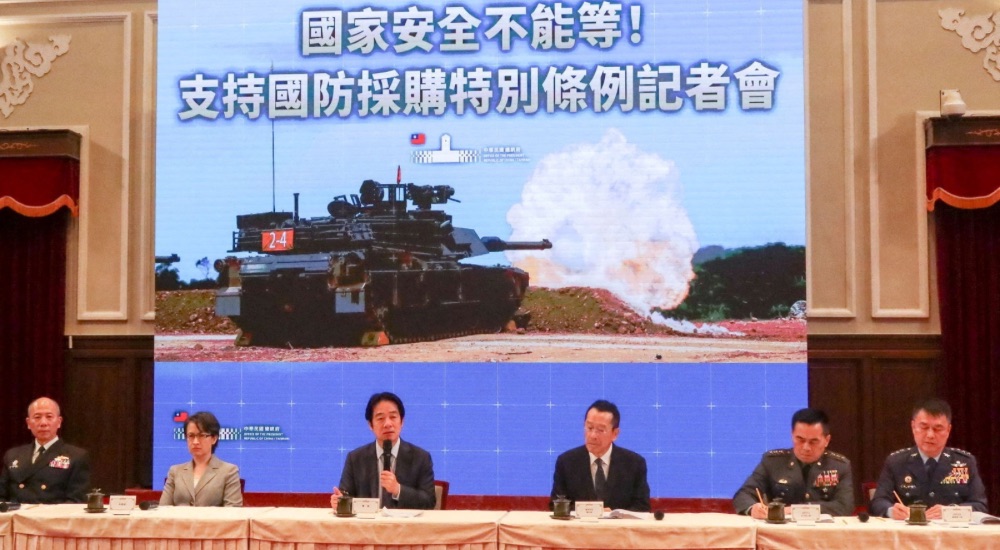
Taiwan’s three main political parties agreed on Thursday to allow the government to sign agreements with the United States for four arms sales packages that had been stalled in parliament.
Lawmakers reached the agreement during a meeting of parliament’s foreign affairs and defence committee after officials warned Taiwan could lose its place in the production and delivery queue if the deals were not signed before looming deadlines.
The development comes amid political disputes over President Lai Ching-te’s proposed $40 billion special defence budget, which opposition parties say lacks clarity and amounts to a “blank cheque,” despite supporting the need for stronger defence.
Under the arrangement, the government will be permitted to sign the letters of offer and acceptance with the United States while legislative reviews of the spending proposals continue.
The weapons involved in the agreements include TOW anti-tank missiles, M109A7 self-propelled howitzers, Javelin missiles produced by Lockheed Martin, and the HIMARS multiple launch rocket system.
Taiwan’s defence ministry has warned that failing to sign the agreements on time could delay deliveries.
Advertisement
Defence Minister Wellington Koo said earlier that the letter for the HIMARS systems expires on March 26, covering 82 launch systems that were part of an $11-billion U.S. arms package announced for Taiwan.
The ministry also said the deadline to sign agreements for the other weapons systems falls this Sunday.
Taiwan’s defence spending debate has drawn concern in Washington, the island’s most important international backer and primary arms supplier, despite the absence of formal diplomatic ties. Taiwan is claimed by China, which opposes foreign arms sales to the island.
Last month, a bipartisan group of 37 U.S. lawmakers wrote to senior Taiwanese legislators expressing concern about the stalled defence plans.
The administration of U.S. President Donald Trump has been urging allies to boost defence spending, a policy that Lai’s government has strongly supported.
Advertisement