Tax Returns: What Ordinary Nigerians Need To Know About New Law
Since the beginning of this year, as the new tax laws began to take effect, one thing is causing a lot of confusion everywhere, in offices, markets, WhatsApp groups and even beer parlours: tax returns.
People keep asking, “My employer already deducts PAYE from my salary every month, so why do I still need to file a return?” Or “I am a small trader and my income does not even reach N800,000 in a year; do I have to bother with this?”
Let me explain it in simple, plain English the way we talk here in Nigeria.
A tax return is simply how you tell government, once a year, how you made your money, salary, side hustles, rent, freelance jobs, even betting wins, everything. You tell them how much you earned, what deductions or reliefs you can claim and then they check if you owe more tax or if you are due a refund.
Under the new Nigeria Tax Administration Act, your employer still has to do their part. They must file a return for all workers’ salaries by January 31 every year.
Advertisement
But you as an individual must file your own personal return by March 31 every year. Yes, even if your only income is salary, even if it is small, even if, on paper, you owe nothing.
Before panic sets in, there are a few benefits people should actually know about, because this thing actually helps ordinary people like us in real ways.
Take Mama Ngozi, the secondary school teacher in Enugu. She earns ₦85,000 salary per month and pays N25,000 rent for her face-me-I-face-you apartment. In the old days, it was hard to claim any meaningful relief.
Now, with the new rent relief, she can deduct 20% of her annual rent (N300,000), which comes to N60,000 off her taxable income. If she files her return properly and attaches her rent receipt and agreement, it reduces the tax deducted from her salary. It is small money, but in this economy, every extra naira helps with school fees or market shopping. In reality, many people will struggle to find old rent receipts or agreements. That is another headache entirely.
Or look at Akpos, the young guy in Lagos doing freelance graphic design from his room in Agege. Some months he makes N400,000 from client jobs on top of a small company salary.
Advertisement
If he does not declare the freelance income, he is cheating himself. When he files his return, he claims the rent relief (he pays N450,000 for his self-contained apartment) and if too much tax was already deducted from his salary, he gets a refund. Some people may even get money back this year, especially where too much tax was already deducted.
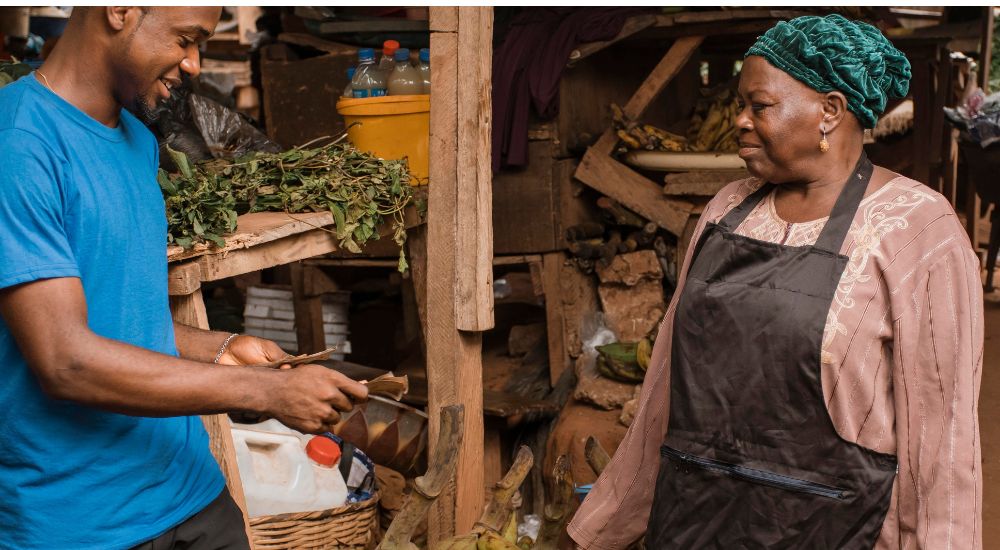
For the market woman in Balogun or Onitsha Main Market selling clothes and paying shop rent, filing a return can help her get a tax clearance certificate.
You need that certificate to apply for a bank loan, renew business papers or even bid for small government supply contracts. No filing means no clearance; it is that simple.
Even for low-income people, it is good news. If your total taxable income for the year is N800,000 or less (like many minimum wage earners and small traders), you pay zero tax. But you still need to file a “nil return” to prove it. That way, no one will come and disturb you later.
Low earners are meant to breathe easier. High earners are expected to pay more. Whether the money fixes roads and hospitals is another conversation.
But let us not pretend, there are serious warnings too.
Advertisement
The penalties for late filing or not filing at all have gone up a lot. Miss the March 31 deadline and you pay N100,000 for the first month, then N50,000 for every extra month you delay.
Imagine that money going to fines instead of buying rice and beans for your family. If they catch you under-declaring income, interest starts running on the tax you should have paid, plus possible audit.
The new Nigeria Revenue Service (NRS) now has better digital tools. With BVN-linked records, bank data and e-invoicing, it is getting harder to hide income the way people used to.
If you have multiple streams like the danfo driver doing Uber on weekends or the civil servant collecting rent from two rooms in Kubwa, you must declare them all. If not, it can lead to back taxes, big fines and even trouble when you want to travel abroad or get a contract.
Even people with low income must file. They say filing is required even when no tax is payable, to get your compliance status. Skip it and you carry a “non-compliant” label when you need it most.
The problem is real. Many people do not have laptops or steady electricity to file online. Internet in villages is bad. Some do not even have a Tax Identification Number (TIN) yet.
The government and state IRS offices need to help more, set up help desks in markets, offices and local government areas. Do more awareness in simple language. Make filing as easy as registering for NIN.
Tax return is not punishment. It is mostly paperwork, annoying, yes; but it can save you money and future. When more people file correctly, revenue goes up without new taxes everywhere. Over time, we should see better roads, schools and hospitals.
My advice: Start now. Gather your payslips, rent receipts and any other proof. Go to your state IRS portal or the new NRS platform.
If you do not understand, ask your accountant friend or visit their office. Do not wait till the last week of March when portals slow down and everybody suddenly remembers tax.
This new tax law has its issues, but for the ordinary Nigerian struggling daily, understanding and doing your tax return is one smart way to survive and even gain a little benefit. Do not let fear stop you. File it, claim your reliefs and sleep better.