Enugu Parents Reject Measles-Rubella Vaccines, Give Weird Reasons
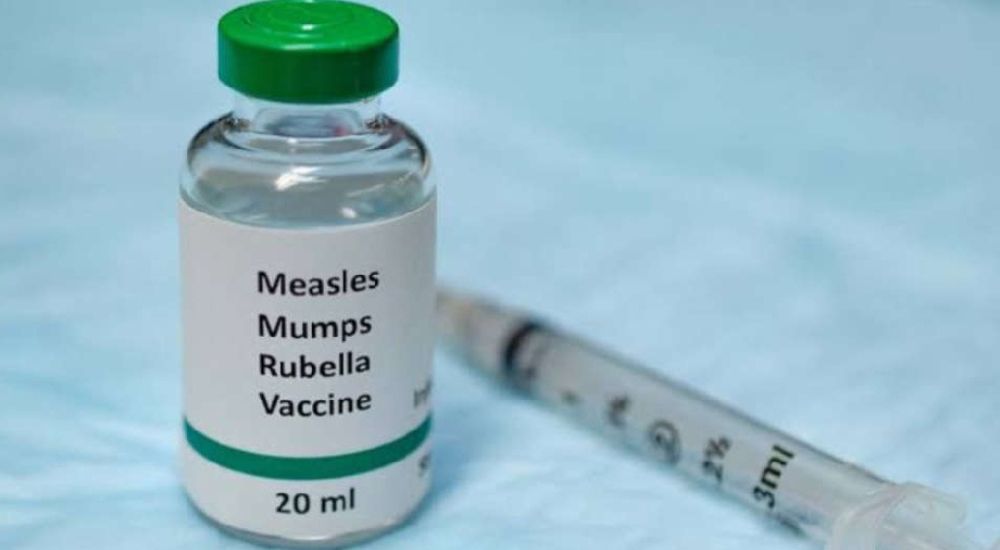
Measles is a highly contagious virus disease that causes a high fever, rash, cough and red eyes. At an extreme case, measles can result in fatal complications, such as brain inflammation and pneumonia. Rubella, also called German measles, is a contagious viral infection, and best known by its rash. It is also capable of deforming unborn babies.
According to an epidemiologist, Dr Samson Obetta, measles and rubella are not curable using specific antiviral combinations “because once they affect one, they run their cycles, spanning between one and two weeks, depending on the victim’s immunity”. Obetta said the best means of curtailing them is vaccination.
According to the World Health Organisation, measles and rubella vaccines are highly safe and effective, and are being used in 150 countries across the world. WHO listed some of its side effects to include possible “transient mild pain and redness at the injection site, low-grade fever, rash and muscle ache”. It adds, “All immunisation sessions—whether in schools or outreach—are linked to health centres that have fully trained health staff. After the injection, children can comfortably continue their studies or sporting activities.” www.who.int.
Enugu Parents’ Responses To MR Vaccines
The 2026 Measles-Rubella Vaccination Campaign began nationwide on Wednesday. The vaccination is meant for children from nine months to 14 years old who have not been vaccinated elsewhere during the current vaccination campaign.
In Enugu State, while some parents embrace the campaign with joy, a majority are rejecting the administration of the substance to their children and wards. The state government, through its Primary Healthcare Development Agency in collaboration with the National Primary Health Care Development Agency (NPHCDA), it was gathered, held seminars where stakeholders were sensitised on the importance of the vaccination. Local government mobilisation officers also embarked on enlightenment.
Advertisement
The state Primary Health Care Agency had, after the seminars, demanded schools to allow administrators of the vaccines into their facilities. The agency, however, sought the consent of parents. One of the schools, owned by the missionaries in the state, had notified parents of its pupils about the exercise. The management stated, “Today they are asking us to open gates for them any time the health personnel come for this activity (vaccine). So on this note, any parent/s or guardians that would want their children to take part should indicate/inform the school authorities.”
Out of over 300 parents, only five percent accepted the administration of the substance to their children and wards, others rejected it outright.
Reasons Behind The Rejections
Cleopat Mbah is a parent in a school located in Enugu. He said, “I rejected it because I don’t know what it is all about. I do hear the jingles on radio but that is all. I think lack of sensitisation is the major reason. We do have PTA meetings. Why didn’t health officials come to educate us? We need to ask questions and get immediate and informed answers.”
“I rejected it because of what I hear,” says Monical Eya. “I lived in the North, and they claim vaccines can be used to destroy human beings. I rejected it because people I feel should know also rejected it. When I see children of medical doctors take the vaccines, I will reconsider my position.”
Advertisement
Hillary Ogbuh says the experience of Covid-19 is still fresh in his memory. “When I was administered the first dose of Covid-19 vaccine, rumours had it that it was still under trial. I know a professor of biochemistry that instructed his family members not to take Covid-19 vaccines. Since then, I get lost when it comes to vaccination. But I don’t stop my kids from getting vaccinated against childhood-killer diseases administered at various health centres. But which one is rubella?”
A school proprietor, Chijioke Eke, said he has no power to enforce the administration of the vaccines to his pupils. “It is left for the parents to decide,” he says. “We also encourage those who don’t want the vaccines administered in the school to go to health centres, or contact their health professionals. But I allowed the administration of the vaccines to my children publicly.”
Grass-roots Sensitisation Advocated
A Rotarian, Mr Christian Chukwumezie, has charged local governments and community leaders across the federation to intensify efforts towards sensitising the populace on the need to take the vaccines, including the one against the Human Papillomavirus, HPV. According to him, “It is primarily the duty of local governments to carry out this sensitisation. Councillors represent each electoral ward. Through them, they get traditional rulers and presidents general of communities to sensitise the populace. It is unheard of that vaccines are being rejected in the 21 Century for any reason. Vaccines eliminated polio in most parts of Nigeria. The world is moving towards preventive medicare, which is vaccination. Parents of children afflicted with preventable diseases should be held accountable. That is why governments make primary health centres functional.”
A retired teacher, Jude Mbamalu, blamed the apathy on lack of commitment of the government. He said, “If government wants to get voters, it does it with ease. Why not adopt the same process to disseminate the information about vaccination? Our LG chairmen live in cities and only visit their offices when allocations arrive. What is happening to LG offices of the National Orientation Agency? Some of these agencies are domesticated at local government levels to be able to deliver vital information to communities. But these offices are not functional; meanwhile the workers are still receiving salaries and earning promotion. It is not enough to be relying on radio announcements and jingles to inform the masses about routine vaccination. It should be interactive. Let’s get churches involved.”
It’s Ignorance, Health Worker
Advertisement
Nkechi Odenyi is a health worker serving in Igbo-Etiti Local Government Area of Enugu State. She advises parents preventing their children and wards from taking the injections to desist from such.
She said, “The programme started today (Wednesday), though we have been creating the awareness for it before now. People are responding positively so far. We made use of community stakeholders to sensitise them on the importance of this vaccination in Igbo-Etiti. We let them know that prevention is better than curing. If our people check the high cost of treating illnesses, they should realise that the best for them is to embrace vaccination. Good enough, these vaccines are administered free of charge: from federal to the state, and then down to the local government levels.”
She advised those rejecting the vaccines to have a change of heart. “I advise parents to go for it because it is very important to our children. Before I was born, measles was doing a lot of damage to people. I can count some people with one eye caused by measles. But scientific innovations have helped in eradicating these deadly diseases through vaccination. Why then should someone reject vaccines? I advise parents to encourage it. After this exercise, routine immunisation will still be going on. It is safe. I have immunised my children already.”
Mrs Odenyi called on local government authorities to do more. According to her, “In Igbo-Etiti LGA, the sensitisation is activated through our mobilisation officers. It was well carried out some weeks before this exercise, and that is why we are recording high turnout.”
Vaccines Remain Most Cost-Effective Health Intervention To Humanity, Vaccinologist Agwale
Dr Simon Agwale is the Chief Executive of Innovative Biotech Nigeria and Innovative Biotech USA. He also chairs the Technology Working Group and Vice Chairman of the Board of the African Vaccine Manufacturing Initiative (AVMI). He warns against the consequences of rejecting vaccines by parents.
“Vaccines remain the most cost-effective health intervention known to humanity because they prevent infections before they occur,” says Dr Agwale.“Vaccines eradicated diseases such as smallpox, drastically reduced polio, and eliminated measles and hepatitis B in many parts of the world. Africa continues to suffer disproportionately because of late vaccine introduction and low uptake.”
He said the process of producing vaccines is rigorous, hence its safety is guaranteed.“Vaccine development is governed by extremely stringent regulations. Vaccine candidates undergo extensive animal studies, including toxicity and biodistribution testing in at least two animal models, before progressing to human trials.
“Human trials are conducted in three phases, each requiring regulatory approval based on safety and efficacy data. Even after approval, vaccines are continuously monitored through pharmacovigilance. Unlike drugs given to sick individuals, vaccines are administered to healthy people, which is why safety standards are exceptionally high. If vaccines were unsafe, humanity would not have survived their widespread use. Vaccines are safe, effective, and essential for public health.”