
FG Rolls Out CNG, Electric Vehicles In Kano
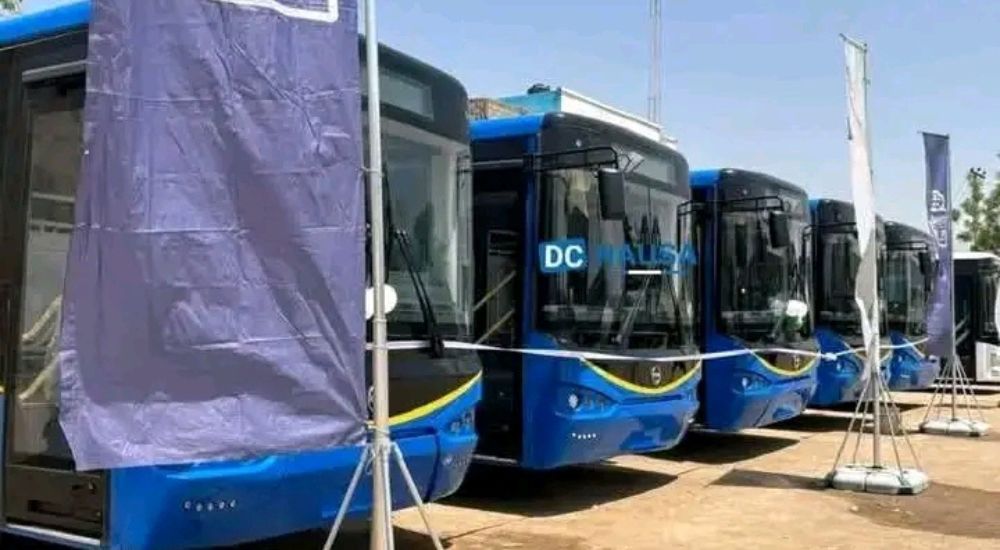
Vice President Kashim Shettima has inaugurated Compressed Natural Gas (CNG) and electric vehicles in Kano, marking the activation of the Northern transport corridor under the Presidential Initiative on Compressed Natural Gas and Electric Vehicles (Pi-CNG & EV).
The inauguration, held on Thursday, featured the deployment of 15 CNG vehicles, including 10 fully CNG-powered and five bi-fuel vehicles, seven electric vehicles, and 200 CNG tricycles.
Speaking at the event through his Deputy Chief of Staff, Senator Ibrahim Hassan-Hadejia, the Vice President said the initiative was aimed at expanding access to cleaner and more affordable transportation alternatives while reducing dependence on conventional fuels.
According to him, the programme forms part of the Federal Government’s broader economic strategy to lower transportation costs, strengthen energy security, and support long-term economic growth.
“Northern Nigeria represents one of the largest transportation and logistics markets on the African continent and Kano sits at the centre of that opportunity,” Shettima said.
Advertisement
He described Kano as a historic commercial hub whose strategic location makes it ideal for launching the initiative.
The Vice President noted that transportation costs significantly affect food prices, manufacturing, logistics, and the general cost of living, stressing that the transition to gas-powered and electric mobility would help ease economic pressure on Nigerians.
He added that Nigeria’s vast gas reserves made the shift necessary and sustainable.
According to him, the Federal Government had already commissioned 4,000 CNG-powered trucks as part of a larger plan expected to expand to 15,000 vehicles, with projected annual savings of about N1.7 trillion in logistics costs.
Shettima also said the initiative would create employment opportunities for young Nigerians through technical training, vehicle conversion technology, engineering services, and other businesses linked to the emerging ecosystem.
Advertisement
Governor Abba Kabir-Yusuf, in his remarks, said the Kano State Government was fully committed to supporting the initiative, describing transportation as the backbone of the state’s economy.
“Any initiative that reduces transportation costs and provides cheaper alternatives will directly improve the lives of millions of our people,” the governor said.
He added that the programme would open new opportunities for entrepreneurship, skills development, and job creation for youths across the state.
Earlier, the Chief Executive Officer of Pi-CNG & EV, Ismaeel Ahmed, explained that the initiative was initially introduced to cushion the effects of fuel subsidy removal but had evolved into a broader transition toward cleaner and locally available energy sources for transportation.
Ahmed disclosed that plans were underway to establish eight additional CNG stations across Northern Nigeria before the end of the year, with expansion expected in Kaduna, Gombe, Maiduguri, Katsina, and other strategic locations.