
Fuel Price Pressures Push Nigeria’s Inflation To 15.38%
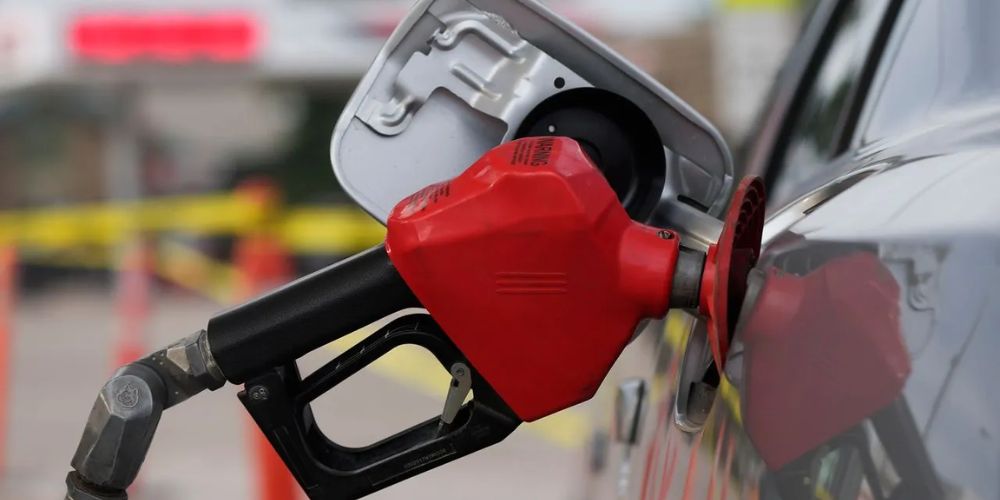
Nigeria’s inflation rate rose again in March 2026, climbing to 15.38 per cent from 15.06 per cent in February, as a sharp increase in petrol prices within the month added fresh pressure on transport costs, food distribution, and overall consumer spending, according to the latest Consumer Price Index (CPI) report from the National Bureau of Statistics (NBS).
The latest data shows that inflationary pressures accelerated significantly on a month-on-month basis, jumping to 4.18 per cent in March from 2.01 per cent in February, reflecting faster increases in the cost of goods and services across the economy.
A key trigger behind the renewed price surge was the rise in petrol prices during the month, which pushed up transportation fares and increased the cost of moving goods nationwide. The ripple effect was felt across food markets, logistics chains, and service sectors, worsening existing cost-of-living pressures on households.
Analysts note that fuel remains a critical input in Nigeria’s economy, and any upward adjustment in petrol prices quickly feeds into inflation through higher production and distribution costs.
The NBS report showed that food and non-alcoholic beverages, transport, and restaurant and accommodation services were the main drivers of the inflation increase.
While food inflation recorded a slight year-on-year moderation to 14.31 per cent compared to 25.22 per cent in March 2025, monthly food inflation still rose by 4.17 per cent, driven by higher prices of staples such as yam, cassava, potatoes, tomatoes, ginger, and groundnuts.
Advertisement
Rural inflation also climbed to 17.22 per cent, with states such as Bayelsa, Sokoto, and Bauchi recording some of the highest price levels in the country, underscoring the uneven impact of rising costs nationwide.
The NBS explained that the CPI report is now based on a rebased methodology, using 2024 as the base year and 2023 as the weight reference period, aimed at better capturing current consumption patterns in the economy.
At the sectoral level, food and non-alcoholic beverages contributed 5.55 per cent to headline inflation, followed by restaurants and accommodation services at 3.26 per cent, and transport at 1.80 per cent. Other categories recorded minimal contributions.
Overall, the report highlights how the combination of rising fuel prices particularly the petrol price increase in March and broader structural cost pressures continue to drive inflation, leaving Nigerian households under sustained financial strain.