
Hormuz: Iran Warns Of ‘Deadly Whirlpools’ As U.S. Orders Blockade
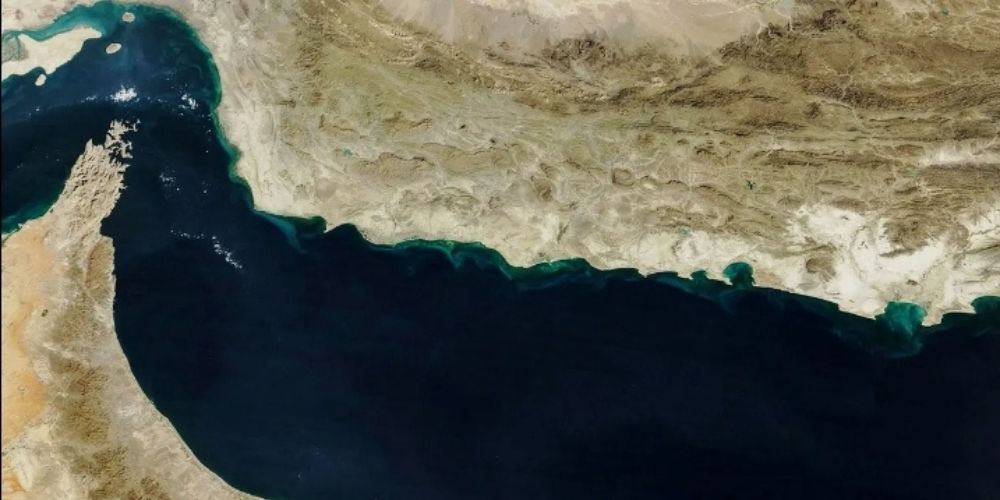
The crisis surrounding the Strait of Hormuz reached a new flashpoint on Sunday as Iran’s Islamic Revolutionary Guard Corps (IRGC) issued a stark military warning and U.S. President Donald Trump ordered an immediate naval blockade of the strategic waterway, following the collapse of peace talks in Islamabad, Pakistan.
Iran’s IRGC Navy warned that any “wrong move” would trap enemies in “deadly whirlpools” in the Strait of Hormuz.
The Guards’ naval command confirmed through a post on X that Iranian security forces had the strait “under full control,” asserting dominance over the waterway despite the presence of U.S. carrier strike groups in the region.
This defiance followed a major policy shift from Washington, where President Trump announced that the American Navy would henceforth block all maritime traffic entering the strait and intercept any vessel found to have paid transit tolls to Tehran.
The escalation follows an incident on April 11, when U.S. Navy destroyers USS Michael Murphy and USS Frank E. Peterson transited the strait, turning on their automatic identification systems in an unmistakable signal of defiance.
Advertisement
The IRGC challenged the destroyers by radio, saying: “This is the last warning.” U.S. Central Command said the destroyers were setting conditions for clearing Iranian-laid mines.
The IRGC declared that only non-military vessels would be permitted to pass under specific regulations, warning that any military ship transit attempts would be dealt with “severely.”
The strait is a chokepoint for roughly 20% of global oil and liquefied natural gas shipments.
The broader context is a war that began weeks ago. Shipping traffic through the Strait of Hormuz has been largely blocked by Iran since February 28, 2026, when the United States and Israel launched an air war against Iran and killed Supreme Leader Ali Khamenei.
In retaliation, Iran launched missile and drone attacks on Israel, U.S. military bases, and U.S.-allied Gulf states.
Advertisement
The IRGC has launched 21 confirmed attacks on merchant ships and reportedly laid sea mines in the strait.
On April 12, JD Vance announced that talks between the U.S. and Iran had failed after a day of negotiations in Islamabad.
Afterwards, Trump declared a naval blockade, announcing that the U.S. Navy would prevent ships from entering or exiting the strait and intercept vessels that had paid tolls to Iran.
Saudi Arabia’s energy ministry separately announced on Sunday that its key east-west oil pipeline and other facilities had been restored following Iranian attacks on Gulf infrastructure, noting a prior loss of approximately 700,000 barrels per day of pumping capacity.