Nigeria, UK Seal £746m Deal To Transform Apapa, Tin Can Ports
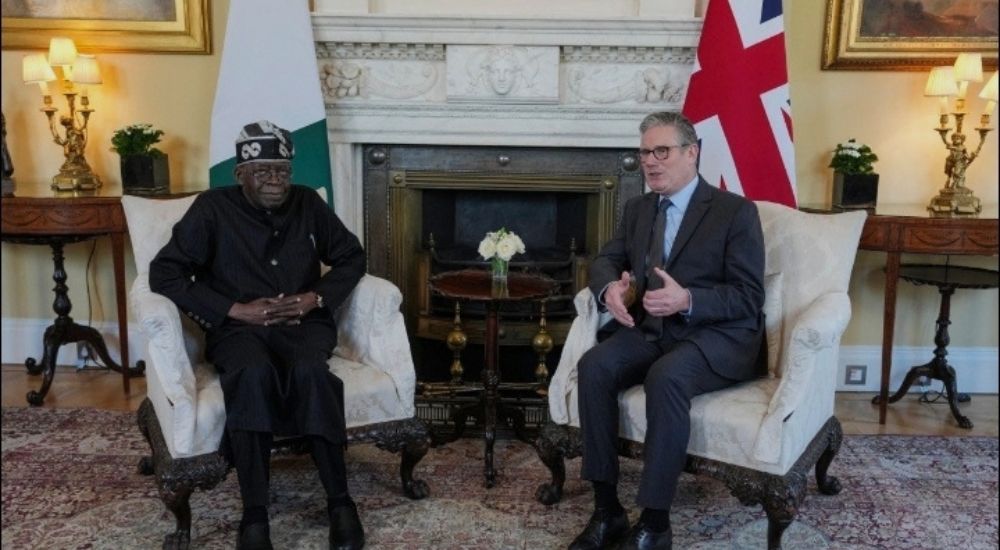
Nigeria and the United Kingdom have finalised a £746 million export finance agreement to rehabilitate and modernise two of Nigeria’s busiest seaports, the Apapa Port Complex and the Tin Can Island Port Complex in Lagos.
The financing arrangement was disclosed on March 19, during President Bola Ahmed Tinubu’s historic state visit to the UK, where he met with British Prime Minister Keir Starmer in London.
The deal is backed by UK Export Finance (UKEF) and will support comprehensive upgrades to infrastructure that handles more than 70 per cent of Nigeria’s import and export activities. 
Under the agreement, UK Export Finance will guarantee loans, while Citibank is coordinating the financing on behalf of the parties involved.
The project marks the most significant modernisation plan for the two port facilities in nearly five decades and is expected to boost efficiency, reduce cargo delays, and strengthen Nigeria’s position as a key maritime hub for trade in West Africa. 
The financing package also includes opportunities for British suppliers to participate in the port upgrades, with an estimated £236 million in supplier contracts expected to benefit UK companies, including a notable £70 million contract for British Steel. 
Advertisement
Minister of Marine and Blue Economy Dr. Adegboyega Oyetola described the financing agreement as a transformative milestone for Nigeria’s maritime infrastructure, emphasising that the modernisation project will unlock economic potential and enhance operational capacity at the country’s principal seaports. 
The deal is part of broader efforts to deepen economic cooperation between Nigeria and the United Kingdom, reflecting strengthened bilateral ties following Tinubu’s engagement with British leadership during the state visit. 
The upgrades to Apapa and Tin Can Island ports come at a crucial time as Nigeria seeks to improve trade logistics, reduce congestion, and attract greater foreign investment through enhanced infrastructure and operational efficiency.