
‘Obidients’ More Loyal To Obi Than Nigeria—Bwala
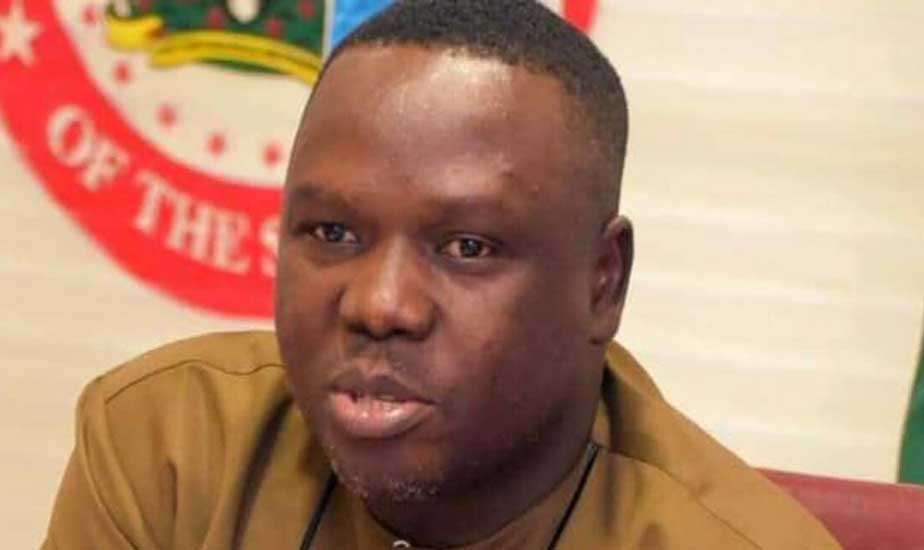
Thr Special Adviser to President Bola Tinubu on Policy Communication, Daniel Bwala, has accused a segment of social media users, known as “Obidients,” of prioritizing political loyalty over national interest.
The Obidients are a group of supporters and followers of Peter Obi, a Nigerian politician who ran for president in 2023 on the Labour Party platform.
The Obidient Movement, as it’s called, is a nationwide coalition of individuals and groups who believe in Peter Obi’s leadership and policies.
They have been actively mobilizing support for Obi’s presidential bid and have organised several rallies and events across the country.
Bwala who was speaking during an appearance on News Central’s programme, 60 Minutes with Mr Kay, aired on Friday, while addressing reactions to his recent interview with Al Jazeera’s Mehdi Hasan, also revealed undergoing throat surgery eight days after the interview.
Advertisement
“Eight days after the interview with Mehdi Hasan, I underwent surgery on my throat. I don’t know whether it is the ‘Obidient’ people that threw that African thing, but in any case, I’m back and strong,” he said.
Bwala criticized the “Obidients” for allegedly putting their loyalty to their leader, Peter Obi, above the country’s security and well-being.
“I know the environment I come from; it’s an environment where there exists a species of ‘Trojans’ of social media called the ‘Obidient,’ who do not care about the national interest or the security of Nigeria and will do everything possible to achieve the aim of their hero, no matter the cost,” he stated.
He defended his performance in the interview, describing Hasan’s approach as adversarial and stating that he was able to withstand the questioning .
“What Mehdi Hasan did was what we call opposition-style journalism, where you play the role of the opposition. In that interview, Mehdi sought to elicit information from me to discredit the government, but he could not,” he said.
Advertisement
The controversy stems from Bwala’s past comments criticizing President Tinubu, which he acknowledged during the interview but sought to move past.
“In the first 15 minutes, he started by asking me to answer questions relating to things I said about President Tinubu when I was in the opposition.
“Repeatedly, I admitted to them — I even said I had said more than what he mentioned — but I asked that we move on to the purpose of the interview,” he said.
He added that he cautioned the interviewer against persisting on the same line of questioning.
“He continued doing it, and at a point, I warned him that if he kept going in that direction, I would deny it. He continued, and that was why I kept denying,” Bwala said.