
OPINION: IGP Disu: Injecting New Era Of Professionalism In Nigeria Police
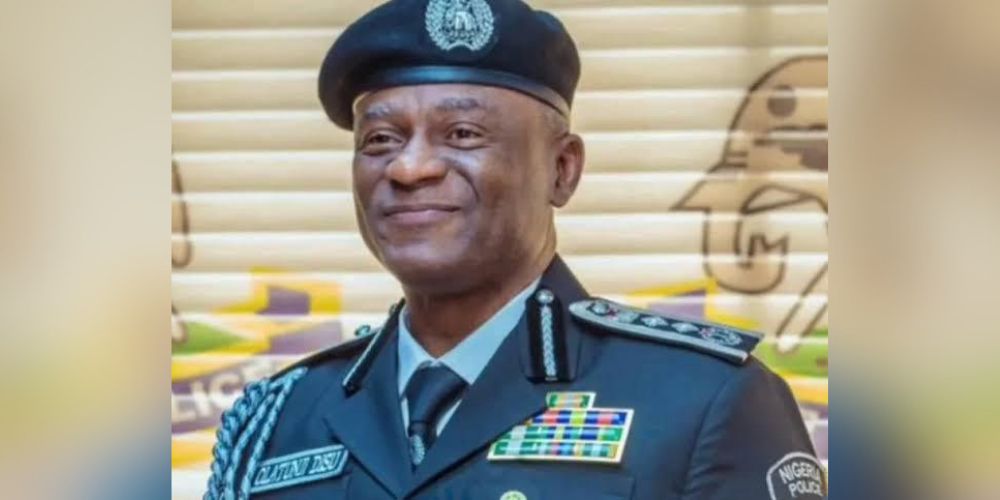
Since assuming office on February 24, 2026, Inspector-General of Police Olatunji Disu has launched a comprehensive campaign to pivot the Nigeria Police Force toward a culture of accountability and service. Central to this mission is the strengthening of internal oversight mechanisms, such as the revitalized Complaint Response Unit and the Independent X-Squad, which now investigate misconduct without interference. This new era of command accountability ensures that Commissioners of Police are held personally liable for the discipline and conduct of personnel within their jurisdictions, effectively removing the shield of anonymity for rogue officers.
A defining achievement of Disu’s tenure is the dismantling of the “Keep In View” (KIV) culture, a bureaucratic loophole previously used to bury sensitive criminal files. This reform was vividly demonstrated within the Police Monitoring Unit, where the new head, DCP Aliyu Abubakar, uncovered a suppressed case involving established criminal breaches that had been sidelined by the previous administration. By immediately activating the file for prosecution, Abubakar’s team saved a case that would have otherwise been “permanently killed,” signaling a decisive end to systematic cover-ups. Complementing this is a strict enforcement of checkpoint bans, aimed at eradicating the public extortion that has long tarnished the image of the force.
IGP Olatunji Disu has implemented a rigorous realignment of operational responsibilities to dismantle the culture of administrative interference that previously allowed high-ranking officers to compromise criminal investigations for personal gain. Under the previous regime—most notably within the Southeast zone—it was a common and frustrating occurrence for senior officials to exploit their rank to “corner” sensitive cases. By asserting their authority as the highest-ranking officers in a jurisdiction, these individuals would frequently seize control of lucrative or high-profile investigations, only to deliberately jeopardize or “kill” the case in exchange for illicit profits. This systemic lousiness not only shielded criminals from justice but also deeply eroded the public’s trust in the police hierarchy.
To end this era of impunity, IGP Disu has established clear, non-negotiable boundaries regarding case management and jurisdictional interference. His reforms emphasize that rank no longer serves as a license to hijack the judicial process or bury incriminating evidence. By decentralizing oversight and empowering independent monitoring units, Disu has ensured that once a criminal breach is established, the file remains on a direct path to the legal department, regardless of the seniority of those attempting to intervene. This strategic shift is specifically designed to sanitize zones like the Southeast, replacing the “highest-ranking officer” loophole with a standardized, transparent protocol that prioritizes the rule of law over the personal profits of top-tier brass.
Furthermore, IGP Disu is balancing these disciplinary measures with a robust focus on officer welfare and modernization. By overseeing the merit-based promotion of over 33,000 personnel and advocating for better housing and pensions, the administration is working to insulate officers from the temptations of corruption. This internal strengthening is paired with a “policing by consent” philosophy, which utilizes community partnerships and technological advancements—like forensic surveillance tools—to move away from exploitative manual patrols. From the inauguration of state police steering committees to the celebration of National Police Day, these reforms represent a structural and moral rebirth intended to restore the ultimate dignity of the Nigerian officer.
Advertisement
On March 12, 2026, IGP Olatunji Disu signaled a profound shift toward institutional dignity by breaking a 16-year “jinx” with a formal ceremonial pull-out parade for his predecessor, Retired IGP Kayode Egbetokun. This historic event marked the first time since IGP Ogbonna Onovo’s departure in 2010 that an outgoing police chief was accorded such a high-level symbolic honour, effectively ending a long era of unceremonious and abrupt transitions. By reviving this tradition, Disu has moved to heal the institutional psyche of the Nigeria Police Force, replacing the culture of administrative friction with a new standard of professional continuity and mutual respect. This gesture serves as a cornerstone for his broader vision: transforming the Force into a reputable organization that honours its leadership history while embracing a disciplined, orderly future.
Complementing this symbolic restoration is the strategic appointment of DCP Anthony Okon Placid as the Force Public Relations Officer on March 8, 2026, a move that re-establishes the professional hierarchy and merit-based leadership essential for institutional integrity. By elevating a seasoned veteran with nearly 30 years of service and elite training from NIPSS Kuru, Disu corrected years of “rank-to-office” deviations where lower-ranking officers held high-level strategic roles. This appointment aligns the NPF’s communications with international standards and sister agencies like the Nigerian Army, leveraging Placid’s extensive experience in United Nations and African Union missions to champion human rights and transparency. Ultimately, this shift from political expediency to veteran-led diplomacy signifies a modernized, accountable policing institution dedicated to reclaiming public trust through sophisticated and dignified engagement.