
Russia, Vietnam Advance Deal For First Nuclear Power Plant
Advertisement
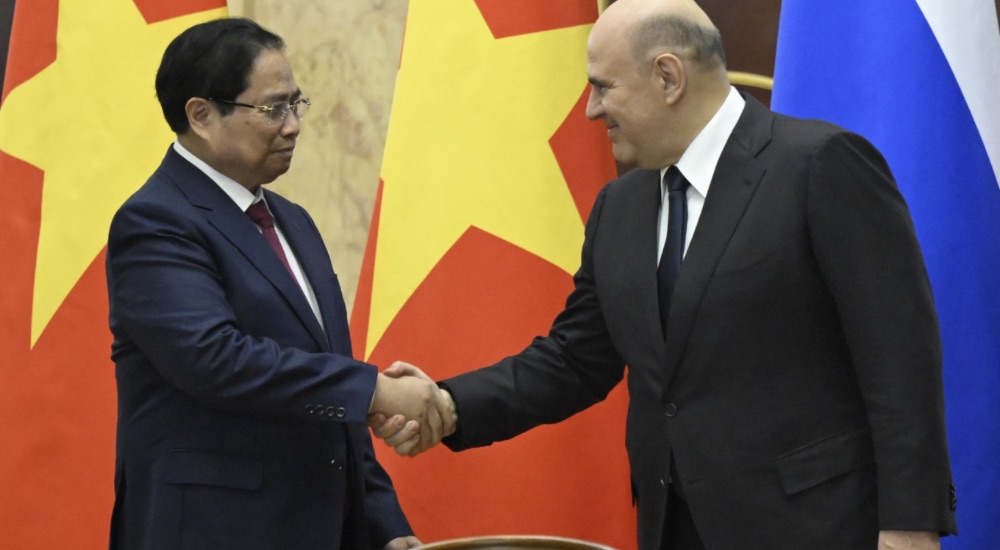
Russia and Vietnam have advanced plans to build Vietnam’s first nuclear power plant after signing a cooperation agreement on Monday, Russia’s state nuclear agency, Rosatom, said.
The agreement sets out the legal framework for the construction of two reactors with a combined capacity of 2,400 megawatts at the proposed Ninh Thuan nuclear facility, a key project aimed at boosting Vietnam’s long-term energy security.
Vietnamese Prime Minister Pham Minh Chinh is on a visit to Moscow as Hanoi seeks to shore up fuel reserves and diversify energy sources amid disruptions to global supply linked to the ongoing conflict in the Middle East.
Since the escalation of the crisis in late February, fuel prices in Vietnam have surged, with 95-octane petrol rising by about 50 percent and diesel by around 70 percent, raising concerns in the export-driven manufacturing economy.
Rosatom chief Alexey Likhachev described the agreement as the “foundation for a long-term industrial partnership,” adding that it would “strengthen Vietnam’s energy independence and open up new opportunities for economic growth.”
No timeline has been announced for the start of construction or when the plant is expected to become operational.
Advertisement
The Ninh Thuan nuclear project was initially agreed upon in 2010 but later suspended before being revived under the new agreement.
In a related development, Russia’s top liquefied natural gas producer, Novatek, said it had signed a preliminary supply agreement with a Vietnamese buyer after more than five years of negotiations.
“We have been in negotiations with potential buyers for over five years, and have very recently signed a preliminary supply agreement with one of them. We are ready to commence deliveries at the earliest opportunity,” Novatek chief Leonid Mikhelson told state broadcaster Rossiya 24, without naming the buyer.
Russia and Vietnam also signed an agreement on oil and gas production in both countries, according to TASS, citing Russian Prime Minister Mikhail Mishustin, in a further sign of deepening energy cooperation between the two nations.