World’s Fourth-Largest Refinery Shut Down After Drone Attack
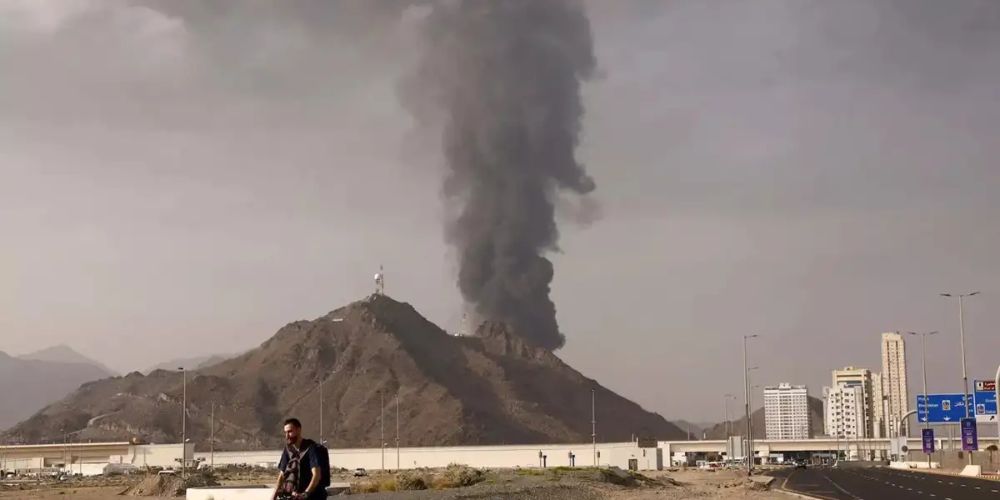
The United Arab Emirates temporarily halted operations at the Ruwais oil refinery, one of the world’s largest, following a drone strike that sparked a fire in the industrial zone where it is located. The facility, operated by the Abu Dhabi National Oil Company (Adnoc), can process approximately 922,000 barrels of crude oil per day.
Ruwais is Abu Dhabi’s primary refinery, supplying both domestic fuel and significant exports of gasoline, diesel, and jet fuel. The UAE also has a major refinery in Dubai, while smaller processing units exist in Sharjah and Fujairah, primarily for heavy crudes or fuel oil.
The drone strike and subsequent shutdown at Ruwais come amid a series of similar incidents in the region. Saudi Arabia recently suspended operations at its largest refinery, and Qatar temporarily closed the world’s largest liquefied natural gas export facility following drone attacks.
Industry experts say Middle East production cuts, including in Saudi Arabia, Iraq, the UAE, and Kuwait, have reduced output by up to 6.7 million barrels per day. Saudi Aramco and Adnoc are boosting exports via alternative routes as the Strait of Hormuz remains largely closed.
The Ruwais complex is a major industrial hub, hosting Adnoc’s chemicals and natural gas operations, as well as units like Borouge Plc, a chemical manufacturer, and Fertiglobe PJSC, a fertilizer producer. Adnoc is also developing a liquefied natural gas export terminal at the site, reinforcing Ruwais’ role as a strategic energy center.
Advertisement
No casualties have been reported, and authorities are continuing investigations into the drone attack while monitoring the refinery’s status. Analysts note that a prolonged shutdown at Ruwais could force the UAE to reduce crude production more quickly, with implications for the wider oil market.