
10 Things To Know About Hantavirus With No Cure
The World Health Organisation (WHO) has confirmed hantavirus cases aboard the cruise ship MV Hondius, with three deaths and several suspected cases reported as of early May 2026. The ship, which departed from Ushuaia in Argentina, South America, is headed to Tenerife in the Canary Islands, Spain, after being held off the coast of Cape Verde in West Africa.
WHO says the global public health risk remains low, but passengers who disembarked earlier are being monitored in countries including Switzerland in Europe, the United Kingdom, and the United States.
According to the WHO’s fact sheet, below are ten things to know about the rodent-borne disease with no cure.
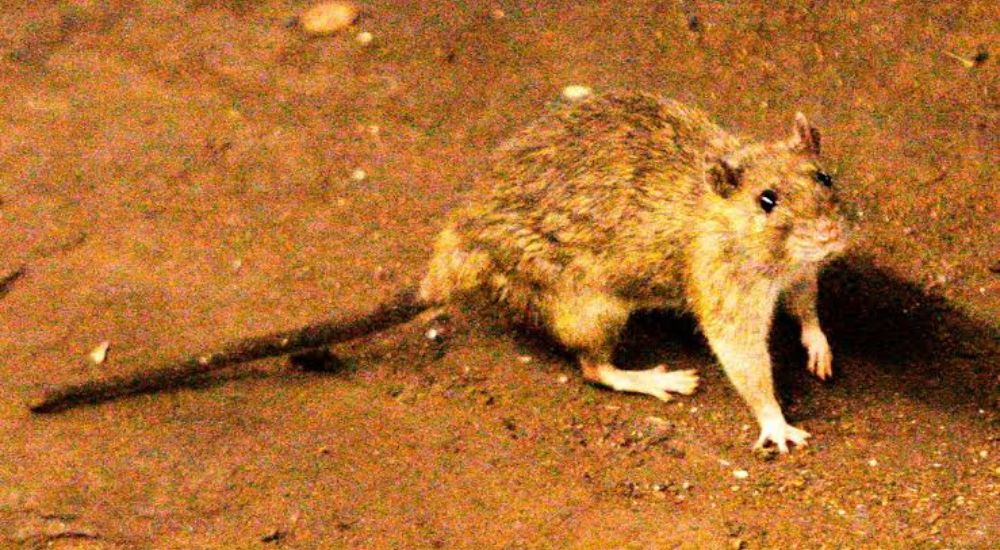
- Hantaviruses are rodent-borne zoonotic viruses: They naturally infect rodents and can spread to humans through contact with infected rodent urine, droppings, or saliva. Each hantavirus is usually linked to one specific rodent species that carries it without getting sick.
- Two distinct disease patterns exist by region: In the Americas, hantaviruses cause hantavirus cardiopulmonary syndrome (HCPS), which attacks the lungs and heart. In Europe and Asia, they cause haemorrhagic fever with renal syndrome (HFRS), which primarily affects the kidneys and blood vessels.
- Fatality rates are high, especially in the Americas – HCPS has a case fatality rate of up to 50 per cent, commonly 20-40 per cent. HFRS in Asia and Europe has a lower fatality rate of less than 1 per cent to 15 per cent.
- Infections are uncommon but widespread: An estimated 10,000 to over 100,000 people are infected globally each year. The largest burden is in Asia and Europe, with China and South Korea reporting thousands of HFRS cases annually. The Americas see hundreds of HCPS cases per year.
- Transmission is mainly through environmental exposure: People get infected by inhaling aerosolised particles from contaminated rodent urine, droppings, or saliva, or less commonly through rodent bites. High-risk activities include cleaning poorly ventilated spaces, farming, forestry work, and sleeping in rodent-infested dwellings.
- Human-to-human transmission is rare and limited: So far, it has only been documented for the Andes virus in South America, primarily in Argentina and Chile. When it occurs, it’s among close and prolonged contacts like household members or intimate partners during the early phase of illness.
- Symptoms appear 1-8 weeks after exposure: Early symptoms include fever, headache, muscle aches, and gastrointestinal issues like nausea and abdominal pain.
HCPS can quickly progress to cough, shortness of breath, and fluid accumulation in the lungs. HFRS can lead to low blood pressure, bleeding disorders, and kidney failure.
- Early diagnosis is difficult: The initial symptoms overlap with influenza, COVID-19, dengue, leptospirosis, and sepsis. A careful patient history focusing on rodent exposure, occupation, and travel is essential for suspicion. Laboratory confirmation relies on serological tests for antibodies or RT-PCR during the acute phase.
- There is no specific treatment or vaccine: Care is supportive and focuses on close monitoring and management of respiratory, cardiac, and kidney complications. Early access to intensive care significantly improves survival, particularly for HCPS patients.
- Prevention centres on reducing human-rodent contact: Key measures include keeping homes and workplaces clean, sealing rodent entry points, storing food securely, dampening contaminated areas before cleaning instead of dry sweeping, and maintaining hand hygiene.
Advertisement
In healthcare settings, standard and transmission-based precautions are advised, with airborne precautions for aerosol-generating procedures.