
After Courtroom Empties, Everyone Moves On Except The Victim
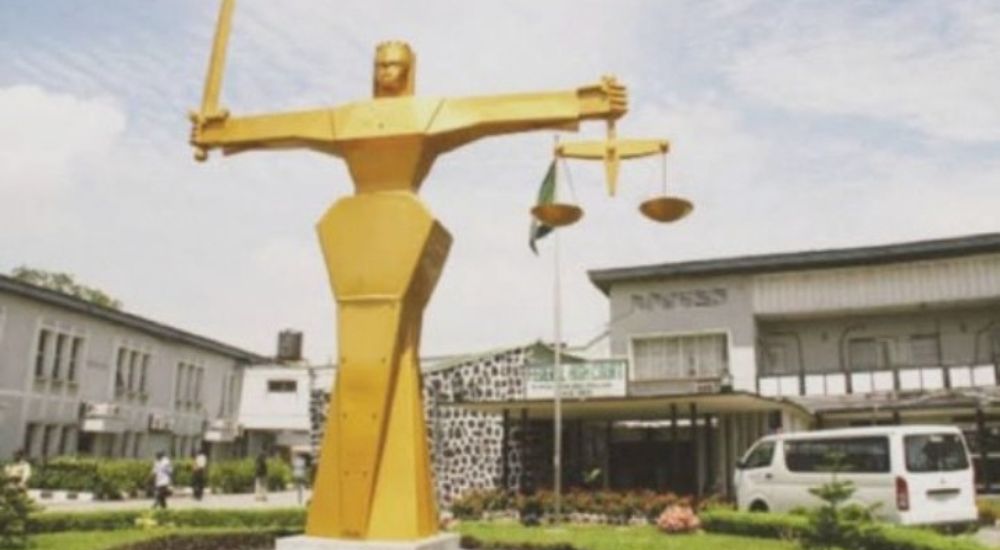
“A conviction may close a case, but it does not always heal a victim. A justice system that forgets the victim is only doing half its job.”
We talk a lot about justice in Nigeria. We follow court cases, debate verdicts, and celebrate when offenders are convicted. It gives a sense that something has been done, that order has been restored.
But there is a quiet side to justice that we do not talk about enough.
It is what happens after the noise dies down, after the judgment is delivered, and after everyone else has moved on.
That is where the real story often begins.
In Nigeria, justice is often measured by one thing: conviction. Once a verdict is delivered and a sentence is pronounced, it feels like the work is done. The case is closed. Everyone moves on.
Advertisement
But do they really?
Life does not move on that easily for the person who was hurt.
The headlines fade.
People stop talking about it.
Another case comes up.
Another story takes over.
But for the victim, nothing has really ended.
If anything, that is where the real journey begins.
So what happens after the courtroom empties? What happens when the lawyers have packed up and the judge has left?
What happens to the person at the centre of it all?
Advertisement
Often, they are left to pick up the pieces on their own.
A person who was physically harmed may still be dealing with pain, hospital visits, or long recovery. Another may be carrying emotional wounds that are not visible. Some lose their sense of safety. Others lose their means of livelihood.
For families, the impact can be overwhelming.
Life changes overnight in ways no one is prepared for.
Yet once the offender is punished, the system often steps back. It is almost as if the job is done.
But is it really done?
For a long time, our justice system has focused mainly on the offender. The goal is to investigate, prosecute, and punish wrongdoing. And yes, this is necessary.
There must be accountability.
But that should not be the end of the story.
A justice system that forgets the victim is only doing half its job.
Advertisement
Nigerian law, to its credit, does make provision for victims. Section 319 of the Administration of Criminal Justice Act 2015 empowers courts to order compensation to victims of crime, while Section 321 provides for restitution in appropriate cases. These provisions reflect a recognition that justice must go beyond punishment to include repair.
However, in practice, these provisions are not consistently applied. Many victims are unaware of their rights. Even where courts make such orders, enforcement can be slow, weak, or ineffective. As a result, victims are often left to rely on personal strength, family support, or sheer resilience to move forward.
Justice should also ask uncomfortable but necessary questions.
What about the victim?
How are they coping?
What do they need to heal?
How do they rebuild their lives?
In many jurisdictions, these questions are no longer treated as secondary. Structured systems exist to provide compensation, counselling, rehabilitation, and long-term support.
The understanding is simple, justice is incomplete if the harm is not meaningfully addressed.
Nigeria must move in that direction.
Courts should treat compensation and restitution not as optional outcomes, but as standard considerations in criminal trials. Victim support systems must be strengthened, properly funded, and made accessible. Awareness must also improve so that victims actually know their rights.
Because justice should not feel like closure for the system and abandonment for the victim. It should carry everyone along.
The absence of a strong victim-centered framework weakens public confidence in justice itself.
When victims feel forgotten, the system risks appearing incomplete, no matter how many convictions are secured.
At the end of the day, justice should not only punish wrongdoing. It should repair harm.
It should acknowledge pain. It should support recovery. It should not close its doors while the victim is still trying to find their footing.
If justice truly means fairness, then it must go beyond punishment. It must include care, support, and a real chance for victims to rebuild their lives.
Anything less leaves the work unfinished.
Sola Adeola is a legal researcher based in Abuja.
Email: [email protected]
Phone: 08033141980