
Armed Conflict Let Ebola Kill Hundreds Undetected In Congo
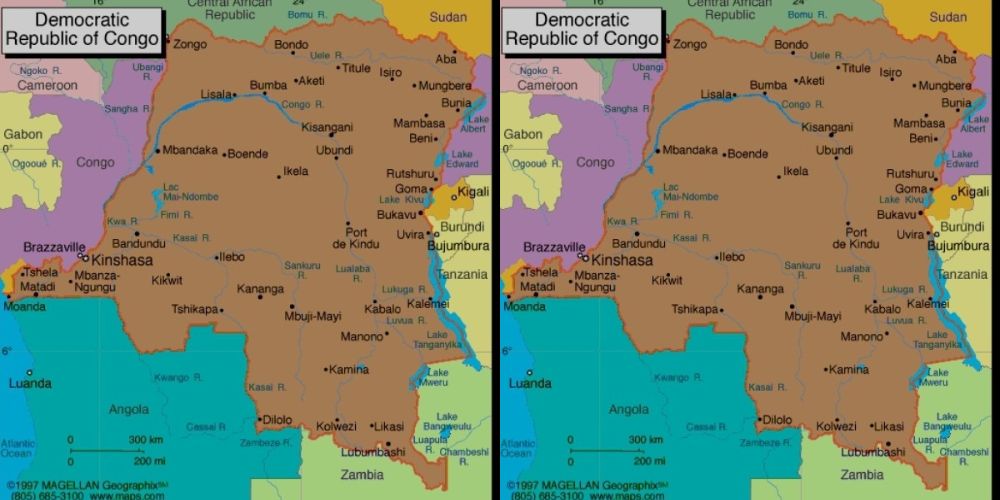
When a health worker in Bunia fell ill on April 24 with fever, vomiting and unexplained bleeding, nobody immediately suspected Ebola. By the time laboratory tests confirmed the deadly virus three weeks later, hundreds of people across eastern Democratic Republic of Congo had already been exposed, and at least 139 were dead.
The outbreak had been hiding in plain sight, in one of the most dangerous and inaccessible corners of the world.
The region where the virus took hold, Ituri Province in northeastern DRC, is not simply remote. It is a war zone where armed militias and terrorist groups have fought over gold mines, forests and communities for decades, killing civilians, displacing populations and systematically destroying the fragile health infrastructure that might otherwise have caught an outbreak like this early.
It is a place where health workers travel at their own risk, where roads are controlled by gunmen, and where trust in government and foreign aid workers has been shattered by years of violence and broken promises.
The two most active armed groups in the region, the Allied Democratic Forces and the Rwanda-backed M23 militia, have made large parts of Ituri and neighbouring provinces effectively ungovernable, with health teams trying to trace Ebola contacts turned back at gunpoint and community surveillance, the first line of defence against any outbreak, made impossible to maintain in towns and villages where armed groups set the rules.
Advertisement
The Bundibugyo strain of Ebola compounded the problem further, appearing in a known outbreak for only the third time in history with a genetic makeup around 30 percent different from the more common Zaire strain, meaning early samples tested negative because the tests were simply designed for a different virus.
Samples then had to be transported more than 1,000 kilometres to the national laboratory in Kinshasa, a journey that in a conflict zone can take days.
“Our surveillance system didn’t work,” Professor Jean-Jacques Muyembe, Congo’s foremost Ebola scientist, said.
The human cost of that failure is still being counted, with the WHO reporting more than 500 suspected cases across at least nine health zones in Ituri Province as of Wednesday and authorities warning the numbers are expected to rise, given that confirmed figures represent only a fraction of the likely true toll.
The virus has already crossed the border into Uganda, where two confirmed cases including one death have been recorded in Kampala among individuals who travelled from DRC, and a confirmed case has been detected in Goma, a major eastern city under M23 control, after an infected woman travelled there from Bunia following her husband’s death from Ebola.
Advertisement
On Sunday the WHO declared the outbreak a public health emergency of international concern, its highest level of global health alert, with Director-General Tedros Adhanom Ghebreyesus saying on Tuesday he was “deeply concerned about the scale and speed” of the epidemic, which is unfolding with no approved vaccines or treatments available for the Bundibugyo strain.
The United States has committed to funding up to 50 treatment clinics in affected regions and mobilised an initial $23m in emergency assistance, while an American aid worker who contracted the virus in DRC has been transferred to Germany for treatment along with six others considered high-risk contacts.
Congo has recorded 17 Ebola outbreaks since 1976, making it the country with the highest number globally, reflecting a long history of recurring epidemics in increasingly complex conditions.