Eid Celebrations Disrupted As Iran Strikes Kuwait Oil Refinery
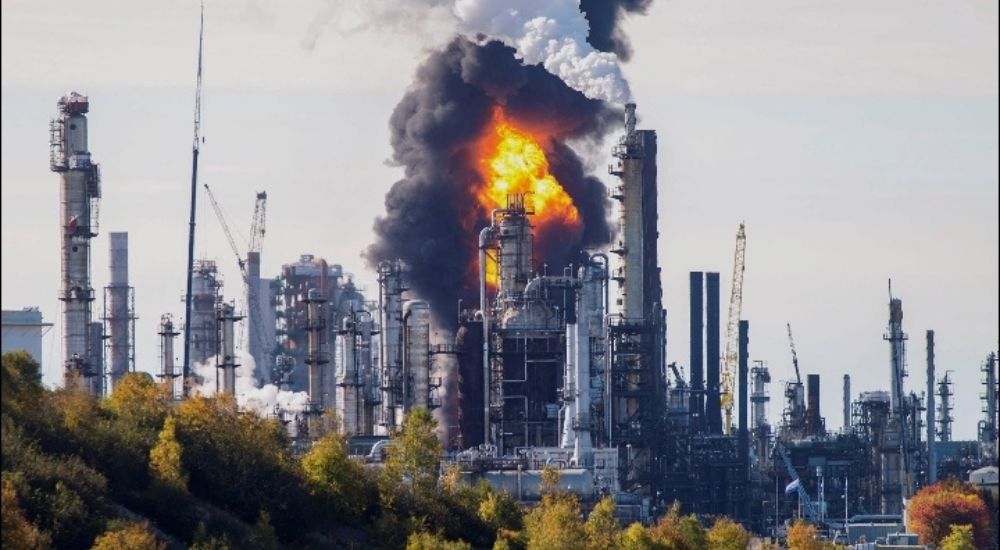
Kuwait’s Mina Al‑Ahmadi oil refinery was struck by Iranian drones on March 20, 2026, triggering fires in several units and casting a shadow over Eid al‑Fitr celebrations.
Firefighters rushed to control the blaze, and authorities reported no immediate injuries. The refinery had also been attacked the day before, underscoring a pattern of repeated strikes on Kuwait’s energy infrastructure.
The latest assault is part of a wider regional escalation following Israel’s bombing of Iran’s South Pars gas field earlier this week.
Tehran has increased attacks on energy facilities across the Gulf, hitting liquefied natural gas plants in Qatar and Saudi Aramco’s SAMREF refinery in Saudi Arabia. Officials say these operations signal Iran’s ongoing retaliation and highlight rising tensions in the region.
U.S. President Donald Trump said Israel would not conduct further strikes but warned that the United States could respond if Iran continues targeting energy sites. “I do not want to authorise this level of violence and destruction because of the long-term implications that it will have on the future of Iran,” he stated, reflecting international concern over the escalating conflict.
Advertisement
The attacks have disrupted oil flows through the Strait of Hormuz, a key global route for crude oil and natural gas, driving up energy prices and affecting economies across Asia, Europe, and Africa.
While nationwide Eid prayers and celebrations were not officially cancelled, security concerns have disrupted public gatherings, prompting authorities to advise residents to remain vigilant amid ongoing drone and missile activity.