
Iran Acknowledges Ceasefire Extension, Signals Reluctance Over Talks
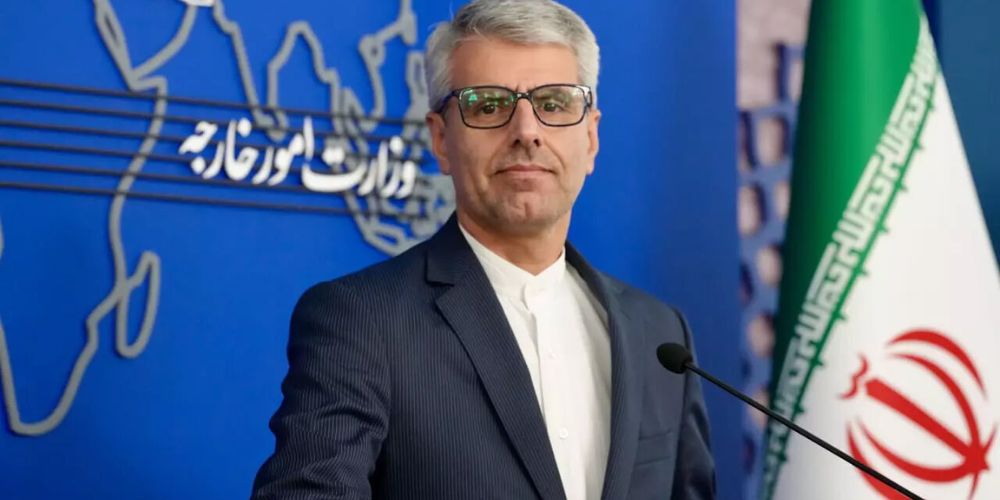
Iran has acknowledged the extension of a ceasefire with the United States but has signalled reluctance to send a delegation for further negotiations, raising uncertainty over the next phase of diplomatic efforts and leaving the fragile truce in question.
President Donald Trump announced the extension on Tuesday, saying the truce would be prolonged to allow Iranian officials more time to present what he described as a “unified proposal” to end the conflict. The move came shortly before the ceasefire was due to expire and followed mediation efforts involving Pakistani Prime Minister Shehbaz Sharif and Field Marshal Asim Munir.
Iran’s Foreign Ministry spokesperson Esmail Baghaei acknowledged the development in remarks carried by state media but did not confirm any commitment to renewed talks.
“Diplomacy is a tool for securing national interests and security, and whenever we reach the conclusion that the necessary and reasonable conditions exist to use this tool to achieve national interests… we will take action,” he said.
The statement reflected Tehran’s cautious stance, with officials appearing divided over how to proceed.
Advertisement
Some Iranian figures adopted a more critical tone. Mahdi Mohammadi, an adviser to Parliament Speaker Mohammad Bagher Ghalibaf, dismissed the extension, describing it as “meaningless” and accusing Washington of attempting to dictate terms while delaying possible military action.
Iranian media reports also indicated that Tehran has informed mediators it may not participate in the proposed talks in Islamabad, though no formal government announcement has confirmed a final withdrawal.
On the U.S. side, planned discussions also appeared uncertain, with officials citing ongoing policy consultations as negotiations faced delays.
The proposed talks were expected to address major sticking points, including U.S. demands that Iran halt its nuclear programme and Iranian calls for the lifting of economic and maritime restrictions. U.S. officials have maintained that preventing Iran from acquiring nuclear weapons remains a central objective.
Tehran, meanwhile, has insisted that sanctions relief and the easing of pressure measures would be necessary conditions for meaningful engagement.
Advertisement
The disagreement underscores broader divisions between both sides, with each maintaining firm positions despite mediation efforts led by Pakistan.
While Islamabad had been positioned as a venue for renewed dialogue, the latest developments suggest the diplomatic track remains fragile, with both sides yet to bridge key gaps.
The ceasefire extension has therefore created temporary breathing space, but the prospects for sustained negotiations remain uncertain.