
Lagos Must Break Cycle Of Power Outages—Sanwo-Olu
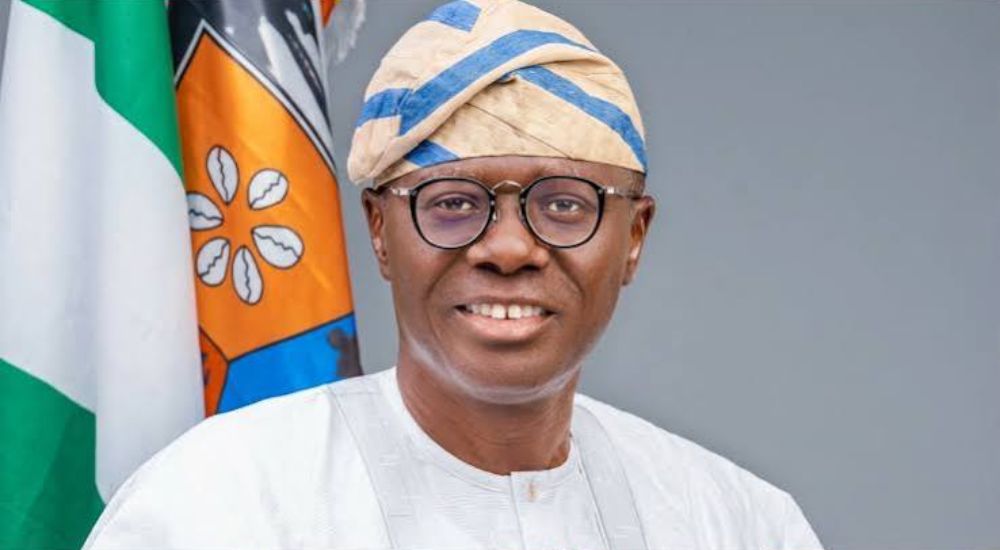
Lagos State Governor, Babajide Sanwo-Olu, has called on stakeholders in the electricity sector to take decisive steps towards ending persistent power outages and building a sustainable 24-hour electricity market capable of supporting economic growth across the state.
Sanwo-Olu made the call at a town hall meeting on ending the culture of blackouts and building a sustainable 24/7 power economy in Lagos State, held at the State House, Marina.
The governor said reliable electricity supply was critical to the development of a resilient economy, stressing that the persistent power deficit in Lagos could no longer be addressed through repeated discussions without concrete action.
He urged participants at the forum, drawn from government, regulators, investors and private-sector operators, to set aside institutional interests and focus on developing practical solutions to the state’s electricity challenges.
Sanwo-Olu said stakeholders must “drop corporate egos, abandon long-standing excuses, and confront the harsh realities obstructing progress in the power sector,” noting that the time had come to move from conversations to measurable action.
Advertisement
According to him, the forum was convened to develop a functional roadmap capable of delivering dependable electricity to households, businesses and industries across Lagos.
The governor acknowledged the frustration among both public and private-sector stakeholders over the recurring cycle of meetings and discussions on the electricity crisis without commensurate improvements in power supply.
He noted that recent reforms and the decentralisation of Nigeria’s electricity regulatory framework had created new opportunities for states to develop and manage independent power systems tailored to their respective needs.
Sanwo-Olu therefore challenged state governments and other stakeholders to take advantage of the new regulatory environment rather than continue to attribute power-sector challenges solely to the Federal Government.
“We, state governments, used to give excuses that everything is centralised, so the Federal Government has unbundled it now. What have we done in a year and a half?” the governor asked.
Advertisement
He expressed concern that despite the establishment of institutions such as the Lagos State Electricity Regulatory Commission (LASERC), the state continued to experience significant gaps in electricity supply.
“We take two steps forward, we go five steps backward,” he said, underscoring the need for stakeholders to identify the structural and operational constraints preventing sustained progress in the sector.
The governor called for a closed-door interactive session with key stakeholders to critically examine the challenges confronting Lagos’ electricity market, including shortcomings on the part of government and performance gaps within the private sector.
He said the objective was to identify systemic weaknesses, establish clear responsibilities and agree on practical interventions that could improve generation, transmission, distribution and access to reliable electricity across the state.
Sanwo-Olu stressed that a dependable power market would have significant implications for Lagos’ economic competitiveness, particularly by reducing the cost of doing business, supporting industrial production, attracting investment and improving the productivity of small and medium-sized enterprises.
He also emphasised the importance of collaboration among public institutions, private investors, regulators and development finance institutions in creating the infrastructure and investment framework required to achieve a sustainable 24/7 power economy.
Advertisement
The meeting brought together senior officials from the Lagos State Government and major stakeholders in Nigeria’s energy and financial sectors.
Among those represented were the Nigerian National Petroleum Company Limited (NNPC), the Nigerian Upstream Petroleum Regulatory Commission (NUPRC), the International Finance Corporation (IFC), the Africa Finance Corporation (AFC), LASERC and the Independent System Operator.
The State Deputy Governor, Kadri Hamzat, and members of the Lagos State Executive Council were also present at the meeting.
The participation of regulators, energy companies, financiers and government institutions was aimed at fostering a coordinated approach to addressing the state’s electricity deficit and creating a market structure capable of attracting sustainable investment.
Sanwo-Olu maintained that Lagos, as Nigeria’s commercial and economic hub, required a reliable electricity system to sustain its growing population and expanding business environment.
He said achieving 24/7 electricity would require stakeholders to move beyond temporary interventions and develop long-term solutions supported by adequate investment, effective regulation, accountability and improved operational performance.
The governor consequently urged participants to use the strategic engagement to develop specific, time-bound and measurable actions that would translate into tangible improvements in electricity supply across Lagos.
He said the state government was prepared to work with relevant public and private-sector institutions to remove obstacles to investment and strengthen the emerging electricity market.
The governor’s position underscores the Lagos State Government’s broader push to leverage the decentralisation of Nigeria’s electricity sector to develop a more responsive power market and reduce the state’s dependence on the traditional centralised electricity system.
The outcome of the stakeholders’ engagement is expected to provide a roadmap for addressing existing gaps and accelerating the development of a reliable and sustainable electricity ecosystem capable of supporting Lagos residents, businesses and industries around the clock.