
Lassa Fever Surge: MSF Intervenes In Benue
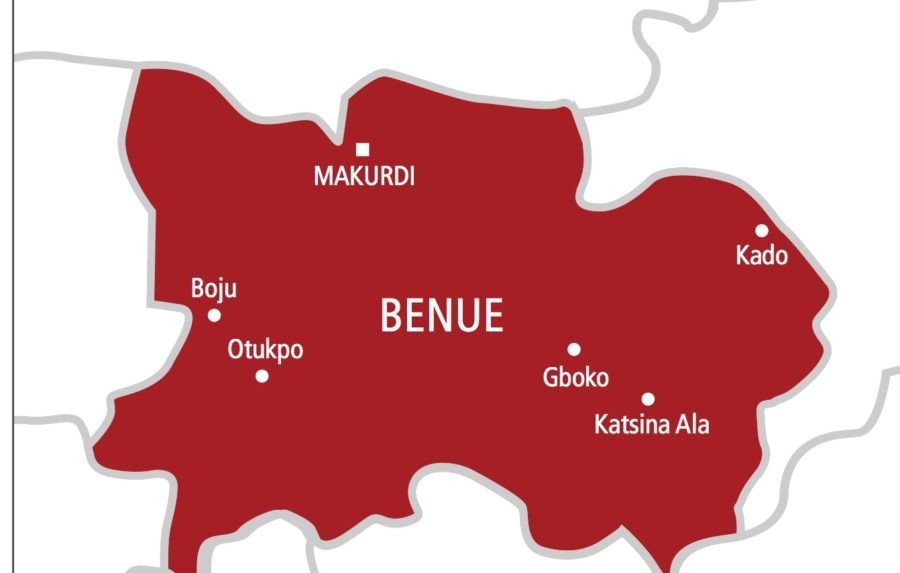
Médecins Sans Frontières, otherwise known as Doctors Without Borders, says it is supporting the Benue State Government to respond to the ongoing Lassa fever outbreak amid increasing pressure on health facilities.
Juniper Gordon, Emergency Coordinator, disclosed this in a statement issued in Abuja, noting the intervention followed rising infections, including among healthcare workers, and gaps in infection prevention measures.
Lassa fever is endemic in Nigeria, with peak transmission between November and April, mainly spread through contaminated food or infected bodily fluids.
According to Gordon, Benue declared the outbreak on Feb. 3, with 410 suspected cases, 60 confirmed infections, and 14 deaths recorded as of mid-March in the state.
She added that 14 healthcare workers were among confirmed cases, raising concern over safety in medical facilities and highlighting the need for improved infection prevention and control practices.
Advertisement
Gordon said nationally, the Nigeria Centre for Disease Control and Prevention (NCDC) reported 167 deaths in 13 weeks of 2026, with a 25.2 per cent fatality rate.
She said this represented an increase compared to the 18.5 per cent fatality rate recorded during the same period in 2025, underscoring the severity of the current outbreak nationwide.
Gordon said the organisation inaugurated a three-month intervention in March to strengthen response efforts, focusing on infection prevention, patient management, and improved healthcare service organisation.
“Healthcare workers and patients are at significant risk when infection prevention measures are not fully in place,” she said, stressing need for improved safety practices in facilities.
According to her, strengthening infection prevention and improving the organisation of care are critical to reducing transmission in health facilities.
Advertisement
She said teams were supporting selected facilities through training, improved triage systems, and establishment of high- and low-risk zones to enhance patient flow and isolation measures.
Gordon said MSF was also supplying protective equipment, hygiene materials, and supporting waste management, while installing handwashing points and assisting surveillance and data collection activities.
She added that patients in isolation centres were receiving food support, while efforts were ongoing to improve hygiene services and ensured safer care delivery across affected facilities.
Gordon said MSF was collaborating with partners including the World Health Organisation (WHO) and UNICEF to strengthen response and reduce transmission risks.
She reiterated the organisation’s commitment to protecting patients and healthcare workers, while strengthening preparedness and response capacity for future outbreaks in the state and across Nigeria.