‘Massive Spending On What Is Not Needed Hurting Nigeria’ – Ex-Senator
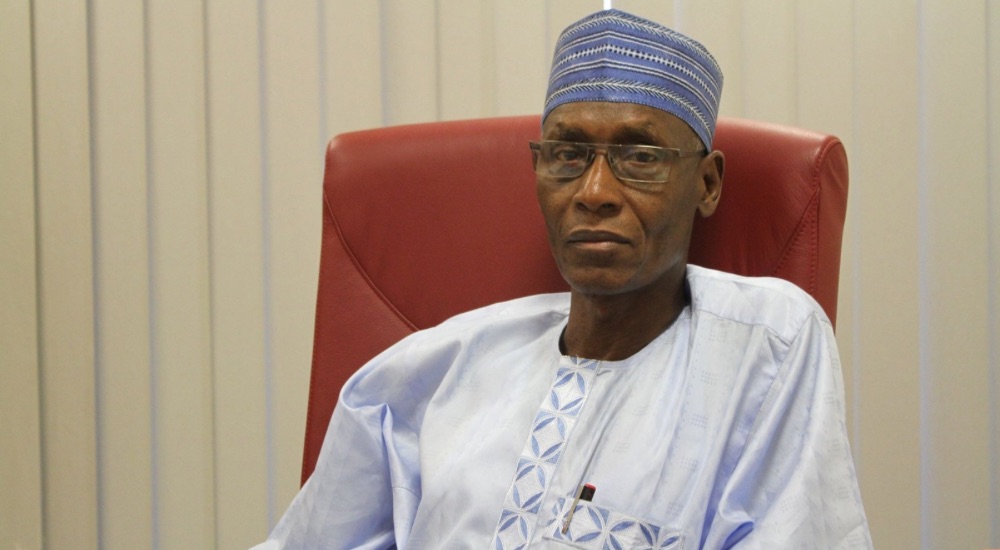
Former lawmaker Senator Abubakar Yusuf has blamed Nigeria’s recurring budget implementation challenges on what he described as “massive splurging” by the government.
He said this while noting that the government’s persistent spending on non-essential items is what is weakening fiscal discipline and undermining development efforts in the country.
Making these comments during an interview channel’s television Politics Today programme on Thursday, Yusuf noted that Nigeria reviewing aspects of the 2024 budget performance in 2026, alongside discussions on the 2025 budget is evidence of deeper structural problems in planning and execution.
However, he said one of the fundamental problems is the continued use of the envelope budgeting system, where expenditure limits are set before proper planning is done.
“The envelope system means you budget before you plan. If what you are given is contrary to your plan, implementation becomes difficult and it is bound to fail,” he said, reiterating his long-standing call for the system to be scrapped.
He added that Nigeria has historically struggled to achieve even 60 percent implementation of capital budgets, largely due to poor releases of funds, weak capacity and what he repeatedly termed excessive government spending.
Advertisement
Explaining his use of the term “splurging”, Yusuf cited repeated yearly purchases of government equipment such as vehicles, computers and other administrative items that may not be immediately needed.
“Our budgets often appear surplus on paper but end up being deficit financed largely because of massive splurging,” Yusuf said.
“The government is spending money on what it does not need. Every year you budget for computers, vehicles and other equipment for the civil service even when they are not required. You find stores in ministries filled with items bought but never used. That is squandering public funds,” he added.
He questioned the government’s ability to reduce the cost of governance, noting that despite stated intentions, the size of government has expanded, with more ministers, agencies, personnel and associated expenses.
He referenced the Stephen Oronsaye report on public sector restructuring, suggesting that agencies with overlapping mandates should be rationalised while preserving institutions that enhance fiscal responsibility, such as the Fiscal Responsibility Commission.
Advertisement
Yusuf further stressed that wasteful spending is not limited to the federal government, noting similar patterns at state and local government levels.
He called for stronger coordination between federal and sub-national governments to ensure more coherent fiscal planning and avoid unnecessary borrowing driven by competition among states.
On economic policy, Yusuf said the administration’s economic approach is not working.
“For me, ‘Tinubunomics’ is not working,” he stated
“Within the policy framework, they are doing their best, but it is not the framework suitable for Nigeria at the time President Asiwaju came into power,” he said.
He suggested that improved planning should precede budgeting, stressing that macroeconomic assumptions such as crude oil prices, exchange rates and interest rates often lack consistency across government institutions.
Advertisement
Yusuf also faulted the timing of the fuel subsidy removal, arguing that it should have followed more extensive consultations and planning.
“President Asiwaju ought to have waited, not on the day he was sworn in, to say subsidy is gone,” he said, suggesting a more gradual approach could have reduced economic shocks.
On the oil sector, he raised concerns about transparency within the Nigerian National Petroleum Company Limited, saying systemic issues in the organisation have persisted despite leadership changes.
He also questioned the management of refinery rehabilitation projects, noting that large sums had been borrowed while operational challenges remained.
Addressing international concerns about religious freedom in Nigeria, particularly a proposed United States bill that could impose sanctions on certain Nigerian groups and individuals, Yusuf urged caution and deeper understanding of Nigeria’s complex social dynamics.
He said conflicts should not automatically be framed strictly along religious lines and called for evidence-based assessments before external policy decisions are made.
On electoral reforms, Yusuf strongly criticised the Senate’s recent position regarding electronic transmission of election results.
“My view is that the Senate has not done well at all,” he said, adding that the amendment could undermine electoral transparency.
He argued that limiting or weakening real-time electronic transmission risks reversing electoral gains made since the 2022 elections.
He questioned the senate’s reluctance to fully embrace real-time electronic transmission when digital financial transactions already occur instantly across the country.
“If financial transactions can happen in real time today in many parts of Nigeria, why should election result transmission be different?” he asked.