Saudi Arabia Says Trust Shattered, Warns Iran After Riyadh Attack
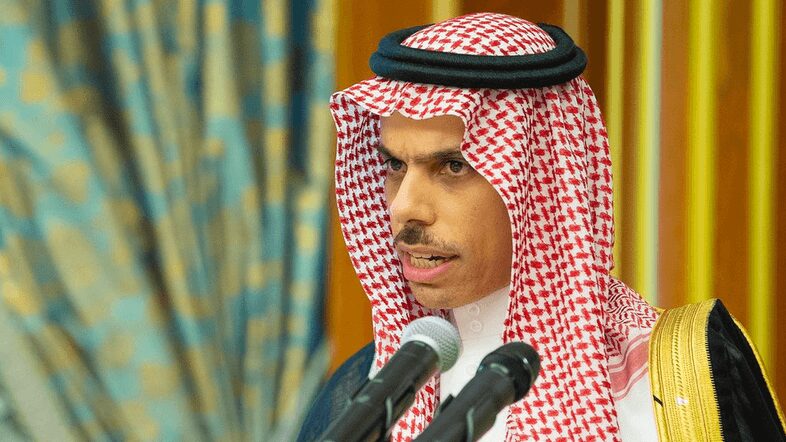
Saudi Arabia’s Foreign Minister Prince Faisal bin Farhan Al Saud has warned that the kingdom reserves the right to take military action against Iran after a fresh barrage of ballistic missiles targeted the capital, Riyadh.
Speaking after an emergency meeting of Arab and Islamic foreign ministers in Riyadh, he said trust between the two countries had been “completely shattered,” describing the strikes as premeditated pressure on Gulf states.
“The kingdom is not going to succumb to pressure, and on the contrary, this pressure will backfire politically and morally,” he said. “We have reserved the right to take military actions if deemed necessary.”
He added that Saudi Arabia and its partners possess “very significant capacities and capabilities” to respond, while urging Tehran to “recalculate its strategy” and halt attacks on regional countries and civilians.
Saudi defence authorities said air defence systems intercepted four ballistic missiles aimed at Riyadh, with debris falling in parts of the city, including near southern refinery and industrial areas.
Additional missiles and drones were reportedly downed over the Eastern Province.
Advertisement
There were no immediate reports of casualties or major damage, though explosions were heard across the capital and residents received rare mobile alerts warning of an incoming aerial threat.
The attack is part of a broader Iranian missile and drone campaign since late February, following strikes linked to the ongoing confrontation involving the United States and Israel. Projectiles have targeted Gulf states hosting U.S. bases or seen as aligned with Washington, including energy infrastructure in Saudi Arabia, Qatar and the United Arab Emirates.
Facilities such as the Ras Laffan Industrial City in Qatar have been affected in earlier incidents, raising concerns about the vulnerability of key energy hubs in the region.
The escalation threatens to undermine the China-brokered rapprochement reached between Riyadh and Tehran in 2023, which had aimed to ease years of hostility between the two powers.
Saudi officials have repeatedly accused Iran of backing armed groups and destabilising neighbouring countries, allegations Tehran denies, saying its actions are a response to U.S. and Israeli military activity.
Advertisement
A joint statement issued after the ministerial meeting called on Iran to “immediately and unconditionally” halt attacks on Gulf states, warning of the risks of further escalation.
Analysts say the rising tensions have heightened fears of a wider regional conflict that could disrupt global energy supplies, particularly oil shipments through the Strait of Hormuz, a critical route for international trade.
While reiterating that diplomacy remains the preferred path, the Saudi minister said patience in the region was “not unlimited,” warning that continued attacks could leave the kingdom and its allies with little choice but to act.
The situation remains fluid, with observers watching for signs of further Iranian strikes or potential Saudi retaliation.